Is what you're feeding your family
actually safe?
Find out in 5 seconds.
Scan a barcode at the store, paste any ingredient list, or search 3,972 additives. Built for parents who don't have time to decode chemistry. Data straight from the FDA and EFSA. No agenda.
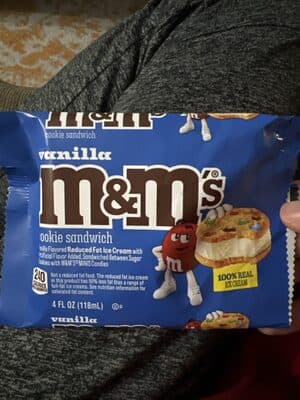
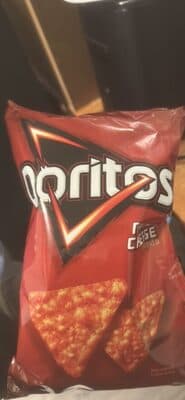
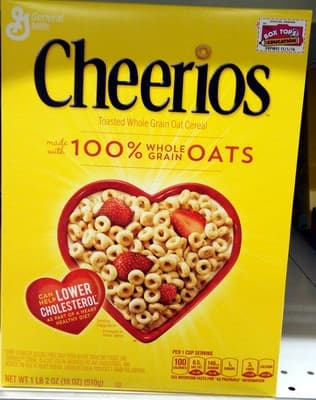
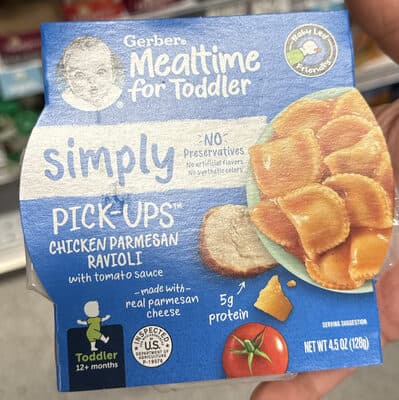
Built for the cereal aisle
Quick answers to what parents ask.
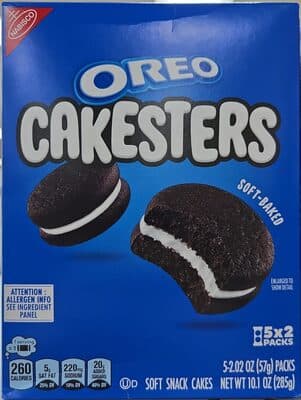
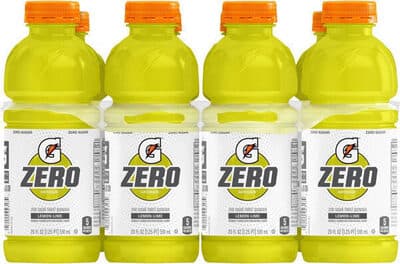
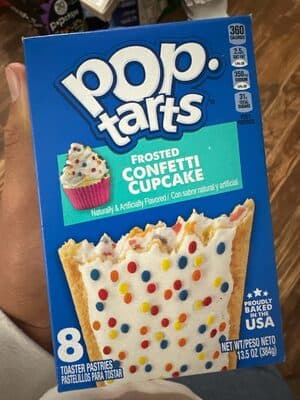
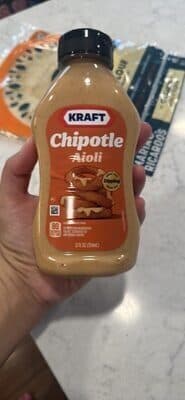
In the news this week
The additives regulators & reporters are talking about right now.
What's actually in your food
Real products.
Real ingredients. Real ratings.
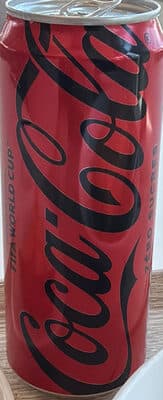 CAUTION
Coke Zero
Contains Aspartame· E951
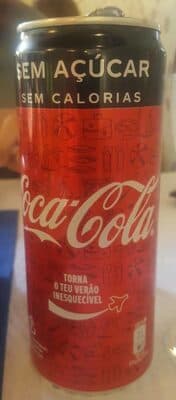 CAUTION
Coca-Cola Zero
Contains Aspartame· E951
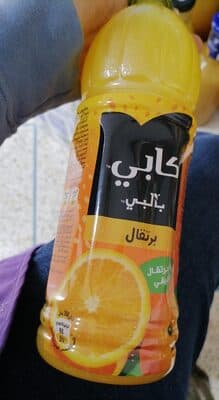 CAUTION
Cappy PULPY
Contains Acesulfame Potassium· E950
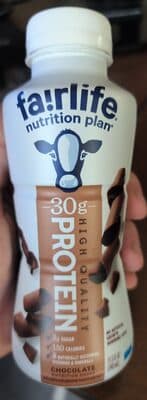 CAUTION
CHOCOLATE NUTRITION SHAKE
Contains Acesulfame Potassium· E950
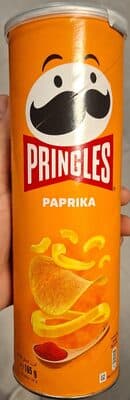 SAFE
SAFEPaprika čipsiبرنكز برتقالي
Contains Disodium Guanylate· E627
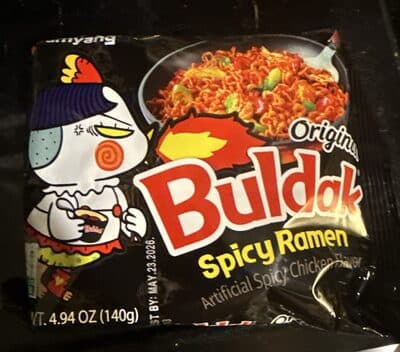 SAFE
SAFEBuldak HOT Chicken Flavor Ramen
Contains Disodium Guanylate· E627
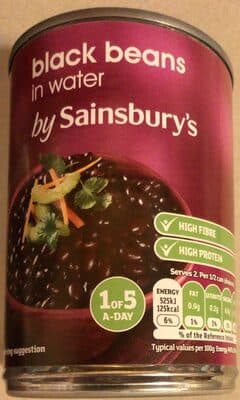 SAFE
SAFEblack beans in water
Contains Calcium Pantothenate, Calcium Chloride Double Salt· E509
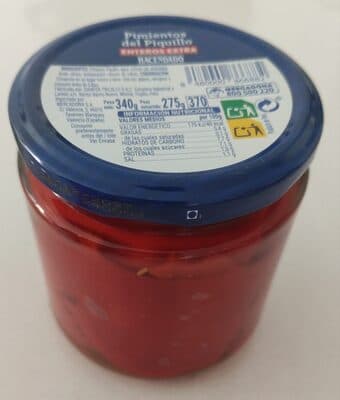 SAFE
SAFEPimientos del piquillo
Contains Calcium Pantothenate, Calcium Chloride Double Salt· E509
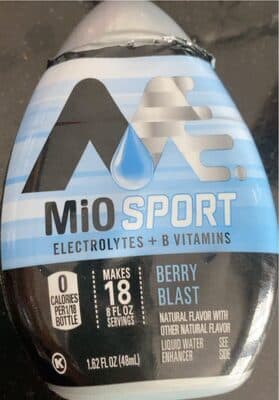 UNKNOWN
Mio Sport Berry Blast
Contains Citral Propylene Glycol Acetal· E1520
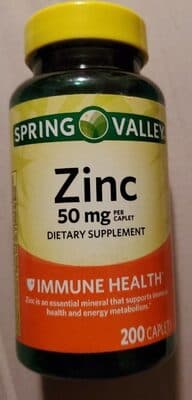 UNKNOWN
ZINC
Contains Citral Propylene Glycol Acetal· E1520
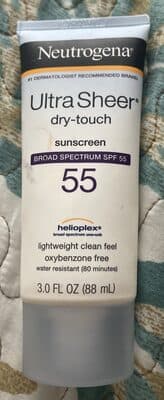 UNKNOWN
Sunscreen
Contains P,alpha-dimethylbenzyl Alcohol· E1519
 UNKNOWN
Daily moisturizing lotion
Contains P,alpha-dimethylbenzyl Alcohol· E1519
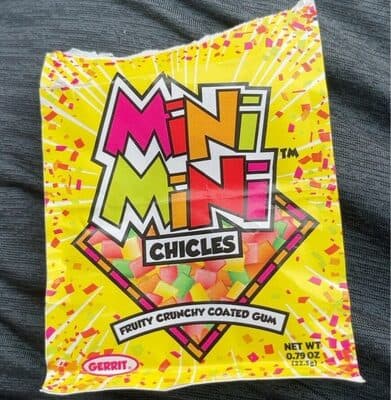 CAUTION
Mini-Mini Chicles
Contains Carmine (coccus Cacti L.)· E120
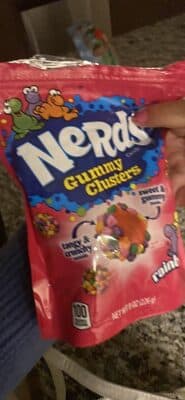 CAUTION
Gummy Clusters
Contains Carmine (coccus Cacti L.)· E120
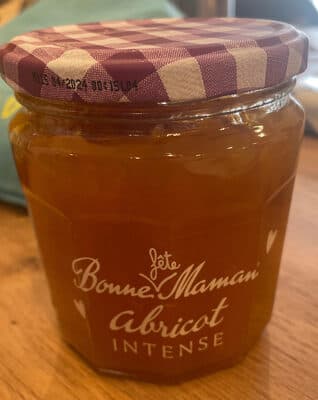 UNKNOWN
Confiture Abricot INTENSE
Contains Ammonium Pectinate· E440
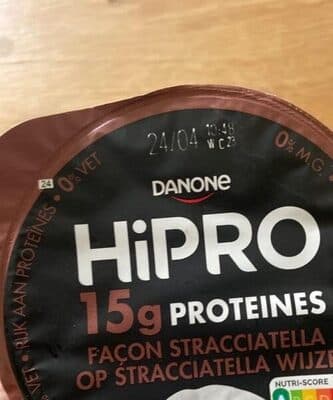 UNKNOWN
Hipro façon stracciatella
Contains Ammonium Pectinate· E440
 SAFE
SAFERaspberry conserve
Contains Fungal Pectinase· E440
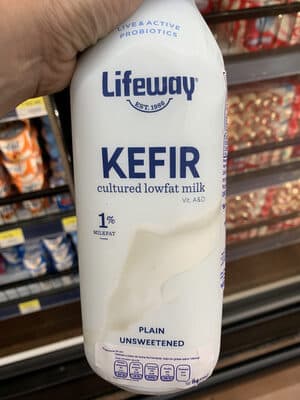 SAFE
SAFEKEFIR cultured lowfat milk
Contains Fungal Pectinase· E440
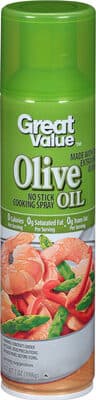 SAFE
SAFEExtra Virgin Olive Oil
Contains Isobutane· E943b
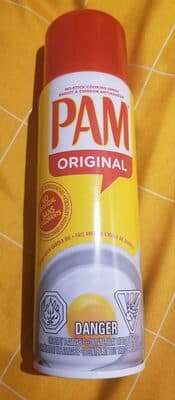 SAFE
SAFEEnduit à Cuisson Antiadhésif Original
Contains Isobutane· E943b
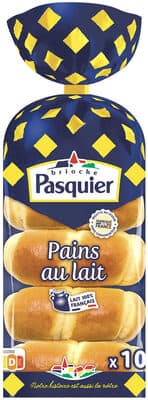 SAFE
SAFEPains au lait
Contains Mono- And Diglycerides· E471
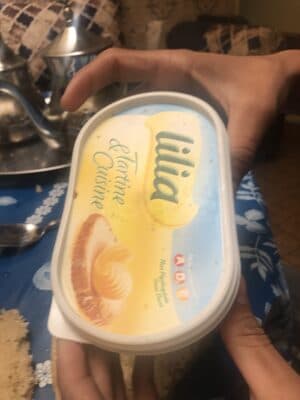 SAFE
SAFEمارغرين المائدة
Contains Mono- And Diglycerides· E471
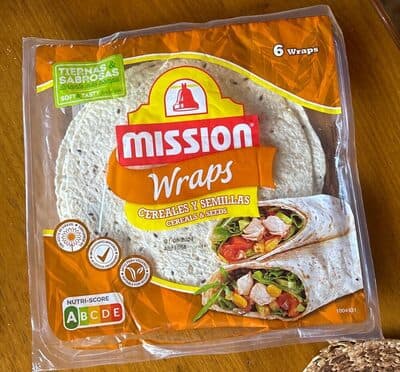 SAFE
SAFEWraps Multigrains
Contains Mono- And Diglycerides, Acetic Acid Esters And Sodium And Calcium Salts· E471
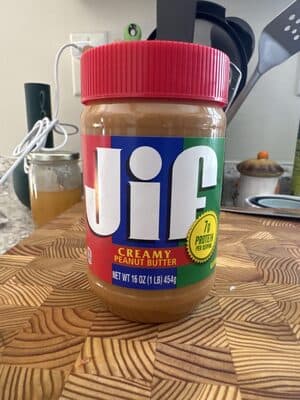 SAFE
SAFECreamy Peanut Butter
Contains Mono- And Diglycerides, Acetic Acid Esters And Sodium And Calcium Salts· E471
 SAFE
SAFEPringles hot cheese
Contains Mono- And Diglycerides, Citric Acid Esters And Sodium And Calcium Salts· E471
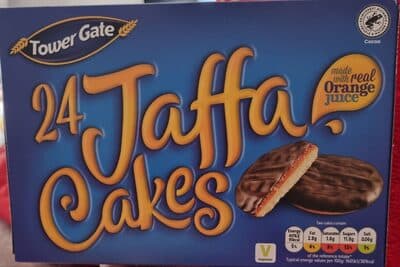 SAFE
SAFEJaffa Cakes
Contains Mono- And Diglycerides, Citric Acid Esters And Sodium And Calcium Salts· E471
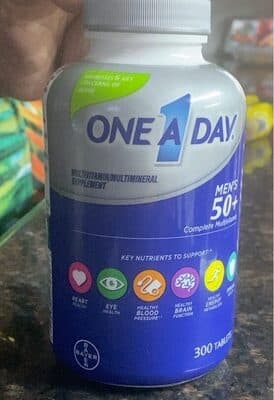 UNKNOWN
One a day Men’s 50+
Contains Peg Fatty Acid Esters And Mono-, Di-, And Triglycerides Mixture· E1521
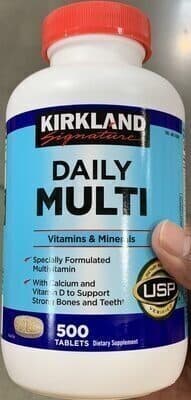 UNKNOWN
DAILY MULTI
Contains Peg Fatty Acid Esters And Mono-, Di-, And Triglycerides Mixture· E1521
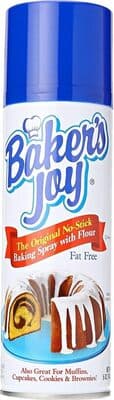 SAFE
SAFEBakers baking spray
Contains Propane· E944
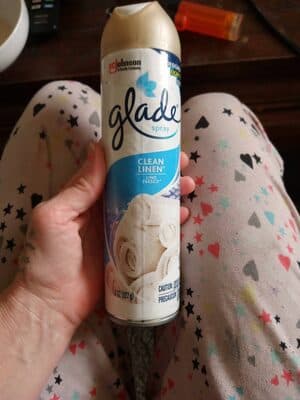 SAFE
SAFEGlade
Contains Propane· E944
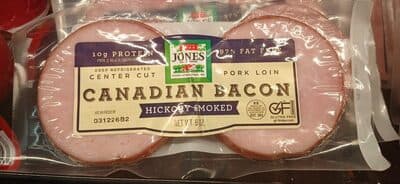 SAFE
SAFECanadian Bacon
Contains Potassium Lactate· E326
 SAFE
SAFETurkey Bacon
Contains Potassium Lactate· E326
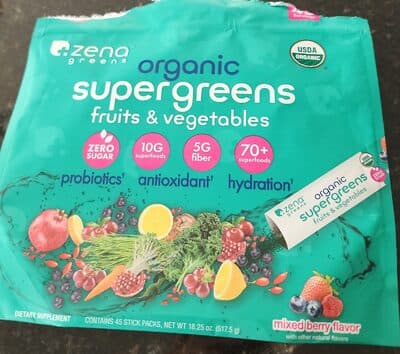 SAFE
SAFEorganic supergreens fruits & vegetables
Contains Protease From Aspergillus Niger· E1101
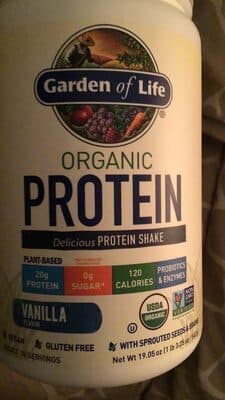 SAFE
SAFEOrganic Protein Delicious Protein Shake
Contains Protease From Aspergillus Niger· E1101
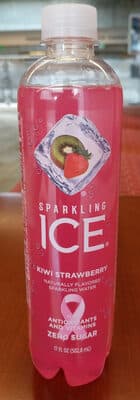 UNKNOWN
Kiwi Strawberry Flavored Sparkling Water
Contains Rosin, Gum, Glycerol Ester· E445
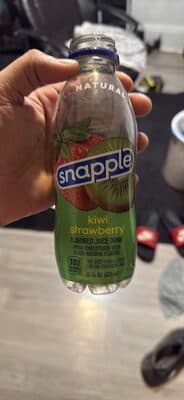 UNKNOWN
kiwi strawberry flavored juice drink
Contains Rosin, Gum, Glycerol Ester· E445
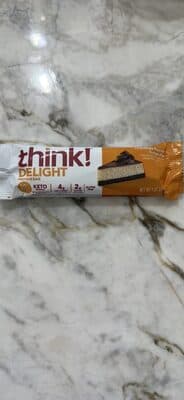 SAFE
SAFEChocolate Peanut Butter Pie
Contains Advantame· E969
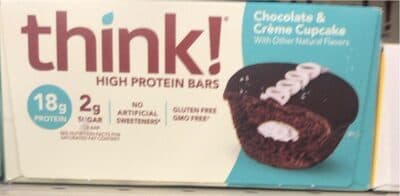 SAFE
SAFEChocolate and cream cupcake
Contains Advantame· E969
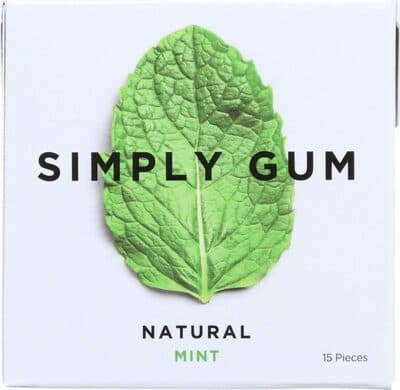 SAFE
SAFEMint Gum
Contains Candelilla Wax (wax From Stems And Branches Of Euphorbia Cerifera)· E902
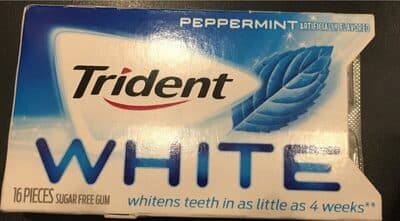 SAFE
SAFETrident white big pack peppermint
Contains Candelilla Wax (wax From Stems And Branches Of Euphorbia Cerifera)· E902
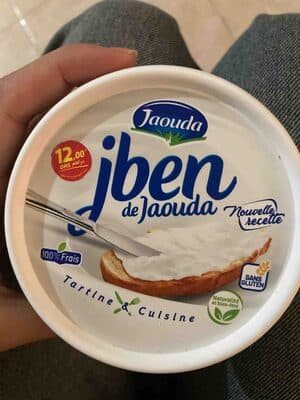 CAUTION
Jben
Contains Carrageenan, Potassium Salt Of· E407
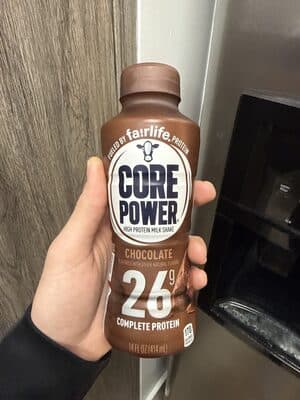 CAUTION
Core Power High Protein Milk Shake Chocolate
Contains Carrageenan, Potassium Salt Of· E407
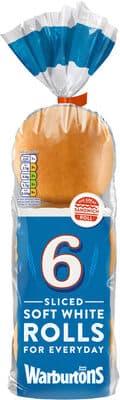 SAFE
SAFESliced Soft White Rolls
Contains L-cysteine Monohydrochloride· E920
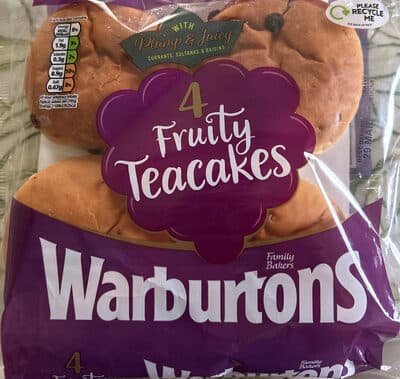 SAFE
SAFEFruity Teacakes
Contains L-cysteine Monohydrochloride· E920
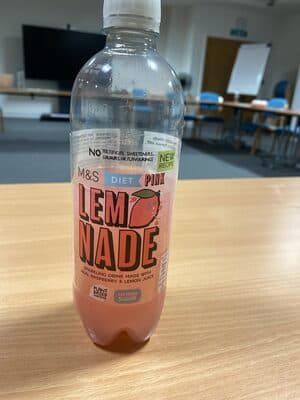 SAFE
SAFEDiet Pink Lemonade
Contains Dimethyl Dicarbonate· E242
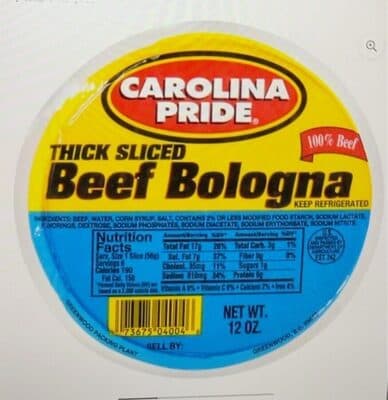 SAFE
SAFEBeef Bologna
Contains Dimethyl Dicarbonate· E242
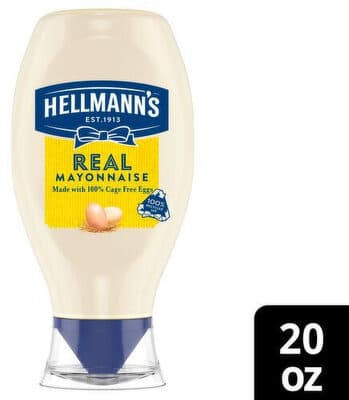 SAFE
SAFEReal Mayonnaise
Contains Edta, Tetrasodium· E385
 SAFE
SAFEReal Mayo
Contains Edta, Tetrasodium· E385
CAUTIONCoke Zero
Contains Aspartame· E951
CAUTIONCoca-Cola Zero
Contains Aspartame· E951
CAUTIONCappy PULPY
Contains Acesulfame Potassium· E950
CAUTIONCHOCOLATE NUTRITION SHAKE
Contains Acesulfame Potassium· E950
SAFEPaprika čipsiبرنكز برتقالي
Contains Disodium Guanylate· E627
SAFEBuldak HOT Chicken Flavor Ramen
Contains Disodium Guanylate· E627
SAFEblack beans in water
Contains Calcium Pantothenate, Calcium Chloride Double Salt· E509
SAFEPimientos del piquillo
Contains Calcium Pantothenate, Calcium Chloride Double Salt· E509
UNKNOWNMio Sport Berry Blast
Contains Citral Propylene Glycol Acetal· E1520
UNKNOWNZINC
Contains Citral Propylene Glycol Acetal· E1520
UNKNOWNSunscreen
Contains P,alpha-dimethylbenzyl Alcohol· E1519
UNKNOWNDaily moisturizing lotion
Contains P,alpha-dimethylbenzyl Alcohol· E1519
CAUTIONMini-Mini Chicles
Contains Carmine (coccus Cacti L.)· E120
CAUTIONGummy Clusters
Contains Carmine (coccus Cacti L.)· E120
UNKNOWNConfiture Abricot INTENSE
Contains Ammonium Pectinate· E440
UNKNOWNHipro façon stracciatella
Contains Ammonium Pectinate· E440
SAFERaspberry conserve
Contains Fungal Pectinase· E440
SAFEKEFIR cultured lowfat milk
Contains Fungal Pectinase· E440
SAFEExtra Virgin Olive Oil
Contains Isobutane· E943b
SAFEEnduit à Cuisson Antiadhésif Original
Contains Isobutane· E943b
SAFEPains au lait
Contains Mono- And Diglycerides· E471
SAFEمارغرين المائدة
Contains Mono- And Diglycerides· E471
SAFEWraps Multigrains
Contains Mono- And Diglycerides, Acetic Acid Esters And Sodium And Calcium Salts· E471
SAFECreamy Peanut Butter
Contains Mono- And Diglycerides, Acetic Acid Esters And Sodium And Calcium Salts· E471
SAFEPringles hot cheese
Contains Mono- And Diglycerides, Citric Acid Esters And Sodium And Calcium Salts· E471
SAFEJaffa Cakes
Contains Mono- And Diglycerides, Citric Acid Esters And Sodium And Calcium Salts· E471
UNKNOWNOne a day Men’s 50+
Contains Peg Fatty Acid Esters And Mono-, Di-, And Triglycerides Mixture· E1521
UNKNOWNDAILY MULTI
Contains Peg Fatty Acid Esters And Mono-, Di-, And Triglycerides Mixture· E1521
SAFEBakers baking spray
Contains Propane· E944
SAFEGlade
Contains Propane· E944
SAFECanadian Bacon
Contains Potassium Lactate· E326
SAFETurkey Bacon
Contains Potassium Lactate· E326
SAFEorganic supergreens fruits & vegetables
Contains Protease From Aspergillus Niger· E1101
SAFEOrganic Protein Delicious Protein Shake
Contains Protease From Aspergillus Niger· E1101
UNKNOWNKiwi Strawberry Flavored Sparkling Water
Contains Rosin, Gum, Glycerol Ester· E445
UNKNOWNkiwi strawberry flavored juice drink
Contains Rosin, Gum, Glycerol Ester· E445
SAFEChocolate Peanut Butter Pie
Contains Advantame· E969
SAFEChocolate and cream cupcake
Contains Advantame· E969
SAFEMint Gum
Contains Candelilla Wax (wax From Stems And Branches Of Euphorbia Cerifera)· E902
SAFETrident white big pack peppermint
Contains Candelilla Wax (wax From Stems And Branches Of Euphorbia Cerifera)· E902
CAUTIONJben
Contains Carrageenan, Potassium Salt Of· E407
CAUTIONCore Power High Protein Milk Shake Chocolate
Contains Carrageenan, Potassium Salt Of· E407
SAFESliced Soft White Rolls
Contains L-cysteine Monohydrochloride· E920
SAFEFruity Teacakes
Contains L-cysteine Monohydrochloride· E920
SAFEDiet Pink Lemonade
Contains Dimethyl Dicarbonate· E242
SAFEBeef Bologna
Contains Dimethyl Dicarbonate· E242
SAFEReal Mayonnaise
Contains Edta, Tetrasodium· E385
SAFEReal Mayo
Contains Edta, Tetrasodium· E385
Photos and product data from Open Food Facts (ODbL). Ratings from our FDA/EFSA-sourced database.
The food on American shelves is changing — and not always for the better.
In 2025, the FDA banned Red Dye No. 3 — its first food dye ban in 35 years. 38 states are actively legislating food additives. Major brands are quietly reformulating. The food you bought last month may have different ingredients than what's on the shelf today.
The first FDA food dye ban in 35 years
Red Dye No. 3 was finally banned in January 2025 — after the FDA's own studies linked it to cancer in animals. It had been approved since 1907.
38 states are passing new laws right now
California, Virginia, West Virginia, and 35 other states have introduced or passed legislation restricting food additives that are still federally approved.
Major brands are reformulating quietly
Dozens of brands have already removed artificial dyes and certain preservatives from their US products — often without announcing it on packaging.
Most Flagged Additives
Ranked by consumer-reported adverse events. These are the ingredients showing up most in FDA complaint filings.
L-arginine
NutrientAspartame
FlavoringL-glutamine
FlavoringBromelain
FlavoringAlbumin
StabilizerAstaxanthin
ColorantAcetone
FlavoringBetaine
Flavoring26 additives approved in the US are banned or restricted in Europe.
The FDA uses a "generally recognized as safe" standard. The EU requires proof of safety before approval. Same food, same shelf — different rules.
United States — FDA
GRAS Principle — permitted unless proven harmful
Artificial food dyes
9 certified dyes still approved
Brominated vegetable oil
Approved in some beverages
Potassium bromate
Approved in bread flour
Propylparaben
Approved as a preservative
European Union — EFSA
Precautionary Principle — must prove safety first
Artificial food dyes
Several banned or require warning labels
Brominated vegetable oil
Banned across all EU member states
Potassium bromate
Banned as a flour additive
Propylparaben
Banned in food products
Approved in the US — banned or restricted in the EU
Get FDA recalls & rating changes — weekly.
The Dirty Dozen PDF on signup. Plus every Monday: recalls, rating updates, and regulatory news. Free, no spam.
No ads. No agenda. Unsubscribe anytime.
Browse by Category
19 categories — from colorants to preservatives.
How we rate additives
Every rating is built on publicly available regulatory data and peer-reviewed research. We do not accept advertising from food manufacturers. No agenda — just data.
Regulatory Cross-Reference
We compare FDA GRAS status, EFSA opinions, and country-level approval or restriction across 50+ regulatory jurisdictions.
Adverse Event Data
Consumer-reported reactions from OpenFDA's 148,000+ adverse event database are surfaced on every additive page.
Peer-Reviewed Evidence
Safety summaries are generated from PubMed literature and reviewed against EFSA toxicological assessments, with sources linked on every page.
Decode what's in your food
Free tools to check ingredients, compare additives, and track your daily exposure.
Label Analyzer
Paste an ingredient list. Instantly see every additive flagged with its safety rating.
Compare Additives
Put two additives side by side — FDA status, EU status, adverse events, safety rating.
Daily Intake Tracker
Log what you ate and see how your additive exposure compares to safety thresholds.
Safety Quiz
How well do you know your food labels? Test your knowledge with our 10-question quiz.
Your food. Their data.
Your decision.
Search any ingredient from the back of a food package — Red 40, Aspartame, BHA, whatever you just read — and get the full safety picture in seconds. FDA data, EU status, adverse event counts.
3,972 additives indexed · Updated from official FDA & EFSA databases