Our Verdict: USE WITH CAUTION

Carmine (coccus Cacti L.)

E-numberE120CAS1390-65-4

Some regulatory concerns have been raised

This additive has been flagged by at least one major regulatory agency or peer-reviewed study. Review the evidence below before forming conclusions.

Adverse Events

0

FDA CFSAN

FDA Recalls

0

OpenFDA

United States

Approved

FDA

European Union

Not_evaluated

EFSA

Carmine (coccus Cacti L.) โ€” food additive

Carmine is a natural red colorant derived from the cochineal insect (Coccus cacti L.), primarily used to impart red and pink hues to food and beverages. It has been used for centuries as a traditional dye and remains a common food colorant in many countries.

US Status

Approved

FDA

EU Status

Not_evaluated

EFSA

Adverse Events

0

FDA CFSAN

FDA Recalls

0

OpenFDA

Global Regulatory Status

Restricted in 1 jurisdiction
United States
ApprovedFDA
European Union
Not EvaluatedEFSA
United Kingdom
ApprovedUK FSA
Canada
ApprovedHealth Canada
Australia
ApprovedFSANZ
Japan
RestrictedMHLW
South Korea
ApprovedMFDS
Brazil
ApprovedANVISA
China
ApprovedNHC / GB 2760
India
ApprovedFSSAI
Country data is sourced from official regulatory databases and enriched via AI analysis. Always verify with the relevant national authority before making dietary decisions.

What is Carmine?

Carmine, also known as cochineal extract or carminic acid, is a natural colorant derived from the dried bodies of female cochineal insects (Coccus cacti L.). The insects are native to Central and South America and are primarily farmed on prickly pear cacti for dye production. The color compound, carminic acid, comprises approximately 15-25% of the insect's dry weight. This vivid red pigment has been used for over 500 years, dating back to pre-Columbian times when it was valued as highly as gold.

Common Uses

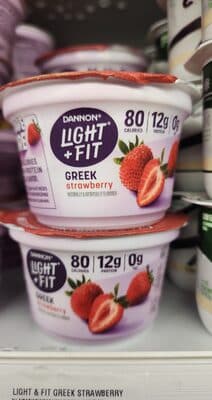
Carmine is used extensively in the food industry as a colorant in beverages, dairy products, confectionery, processed meats, and sauces. Typical applications include strawberry-flavored yogurts, fruit juices, alcoholic beverages, candy, and cosmetics. The additive is also found in some pharmaceutical preparations and personal care products. In the European Union and many other countries, it is approved as food colorant E120. The FDA permits its use in certain food categories, though it is not classified as GRAS (Generally Recognized as Safe).

Safety Assessment

Carmine has a long history of use and limited documented adverse events. The FDA database contains zero reported adverse events and zero recalls associated with this additive. However, carmine is known to trigger allergic reactions in a small percentage of consumers, particularly those with sensitivities to insects or carmine-related compounds. Reactions typically manifest as urticaria, angioedema, or rarely, anaphylaxis in severe cases. For this reason, many countries require allergen labeling when carmine is used as a colorant. The EFSA (European Food Safety Authority) concluded in its 2015 re-evaluation that there were no safety concerns at current usage levels. Toxicological studies in animals have not identified significant organ toxicity, mutagenicity, or reproductive effects at tested doses. The acceptable daily intake (ADI) established by EFSA and JECFA is approximately 5 mg/kg of body weight.


Frequently Asked Questions

What is Carmine (coccus Cacti L.)?

Carmine is a natural red colorant derived from the cochineal insect (Coccus cacti L.), primarily used to impart red and pink hues to food and beverages. It has been used for centuries as a traditional dye and remains a common food colorant in many countries.

Is Carmine (coccus Cacti L.) safe?

Carmine (coccus Cacti L.) is currently rated "caution" based on FDA and EFSA data. It is approved in the US and not_evaluated in the EU. There are 0 FDA adverse event reports associated with this additive.

Is Carmine (coccus Cacti L.) banned in any country?

Carmine (coccus Cacti L.) is approved in the United States and not_evaluated in the European Union. Review the regulatory status cards above for the most current information.

Data Sources

Data is sourced exclusively from official government databases and updated periodically. This page does not constitute medical advice. Consult a healthcare professional for dietary guidance.