What is Beta-apo-8'-carotenal?
Beta-apo-8'-carotenal (CAS Number: 1107-26-2) is a synthetic carotenoid compound created through chemical modification of beta-carotene. It belongs to the family of carotenoid pigments, which are naturally occurring compounds found in plants but can be synthesized in laboratories. The additive is specifically designed to provide yellow and orange coloring to food products, offering stability and consistency that may exceed naturally-derived colorants.
Common Uses
Beta-apo-8'-carotenal is utilized primarily in the food and beverage industry as a colorant for products requiring yellow to orange hues. Common applications include:
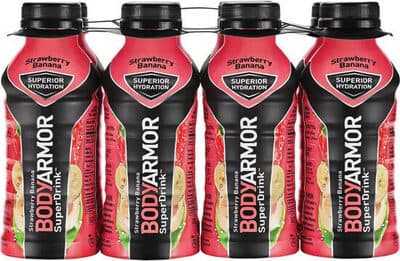
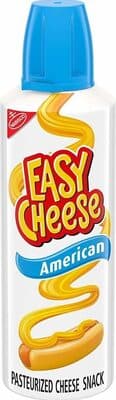
- Processed cheese and cheese products
- Margarine and butter substitutes
- Beverages and flavored drinks
- Baked goods and snack foods
- Seasonings and spice blends
- Nutritional supplements and fortified foods
The additive is valued for its heat stability, light stability, and ability to maintain consistent color throughout product shelf life—properties that make it advantageous in commercial food manufacturing where color consistency is critical for brand recognition and consumer acceptance.
Safety Assessment
Beta-apo-8'-carotenal has been evaluated by regulatory authorities in multiple jurisdictions. The FDA has not designated it as GRAS (Generally Recognized As Safe), indicating it does not have blanket approval for all food uses. However, it remains approved for specific applications in certain food categories under FDA color additive regulations.
The additive has generated zero adverse event reports in FDA databases and zero product recalls attributable to beta-apo-8'-carotenal, suggesting a favorable safety profile in current commercial use. This absence of reported incidents over decades of use provides empirical safety data, though lack of reports does not constitute proof of absolute safety.
Toxicological studies conducted on beta-apo-8'-carotenal have not identified significant safety concerns at approved usage levels. The compound is fat-soluble and is metabolized similarly to other carotenoids in the body. Like all synthetic colorants, intake levels are regulated to maintain safety margins below levels at which adverse effects might theoretically occur.
Regulatory Status
In the United States, beta-apo-8'-carotenal is regulated as a color additive under FDA regulations (21 CFR Part 73). While not GRAS-designated, it has been approved for specific food uses with defined usage limits and restrictions. Different countries maintain varying approval statuses:
- **United States**: Approved as a color additive for specific uses
- **European Union**: Approved as food colorant (E160e) in numerous food categories
- **Other regions**: Approval status varies by jurisdiction
Manufacturers using this colorant must comply with labeling requirements and usage restrictions specific to their target markets. The regulatory distinction between GRAS and approved color additives relates to the documentation pathway rather than inherent safety differences.
Key Studies
Scientific literature on beta-apo-8'-carotenal remains limited compared to naturally-derived colorants. Available toxicological data from regulatory dossiers indicates:
- Acute toxicity studies show low toxicity when ingested
- Subchronic and chronic feeding studies in animal models did not reveal significant adverse effects at approved usage levels
- No genotoxic or carcinogenic potential has been demonstrated in standard test batteries
- Metabolic studies confirm the compound is metabolized through pathways similar to natural carotenoids
The relative scarcity of published peer-reviewed studies compared to other food colorants reflects both its narrower application range and the general shift toward natural colorant alternatives in recent food industry trends.