What is FD&C Red No. 40, Aluminum Lake?
FD&C Red No. 40, Aluminum Lake is a colorant derived from FD&C Red No. 40 (also known as Allura Red AC), which is a synthetic azo dye. The "aluminum lake" form refers to the process of adsorbing or precipitating the dye onto an aluminum hydroxide substrate. This creates a stable, insoluble pigment that differs in properties from the water-soluble FD&C Red No. 40 dye alone. The aluminum lake formulation is preferred in certain applications because it provides better stability in specific food matrices and can produce different visual effects compared to the soluble dye.
Common Uses
FD&C Red No. 40, Aluminum Lake is used primarily in foods that require a stable, particulate red colorant. Common applications include:
- Confectionery products (candies, gums)
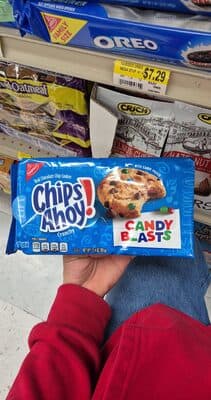
- Baked goods and cake mixes
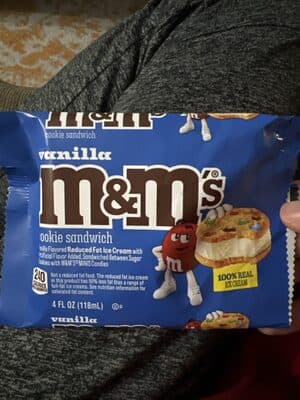
- Desserts and frozen treats
- Beverages (though less common than the soluble form)
- Decorative coatings on foods
- Pharmaceutical products
The aluminum lake form is particularly useful in fat-based systems and dry formulations where water-soluble dyes may not provide adequate stability or dispersion.
Safety Assessment
FD&C Red No. 40, Aluminum Lake is approved for use in food by the U.S. Food and Drug Administration (FDA) under 21 CFR 82.200. While FD&C Red No. 40 itself is not on the FDA's GRAS (Generally Recognized as Safe) list, it has been approved as a color additive through the FDA's pre-market approval process, which involves comprehensive safety evaluation.
According to FDA records, there have been zero adverse event reports specifically linked to FD&C Red No. 40, Aluminum Lake, and zero FDA recalls associated with this additive. The aluminum lake substrate itself—aluminum hydroxide—has a long history of safe use in food applications.
The European Food Safety Authority (EFSA) permits the use of FD&C Red No. 40 (E129 in the European Union) as a food colorant. However, regulations regarding aluminum lakes may differ between jurisdictions.
Regulatory Status
In the United States, FD&C Red No. 40, Aluminum Lake is a permitted color additive regulated under 21 CFR 82.200. It is approved for use in foods at levels determined to be safe by the FDA. The additive must be manufactured and used in accordance with FDA regulations.
In the European Union, while FD&C Red No. 40 (Allura Red AC, E129) is approved, specific aluminum lake formulations may have different approval status. Manufacturers must verify compliance with local regulations in their target markets.
Like all color additives, FD&C Red No. 40, Aluminum Lake is subject to FDA inspection and compliance monitoring. Manufacturers are required to ensure batch purity and appropriate labeling.
Key Studies
The safety profile of FD&C Red No. 40 has been extensively studied over decades. Toxicology studies in animal models have not identified significant safety concerns at levels of use in food applications. The additive undergoes absorption, metabolism, and excretion without evidence of accumulation in body tissues.
Research on azo dyes, the chemical class to which FD&C Red No. 40 belongs, has been conducted to assess potential allergenicity and sensitivities. Some individuals with sensitivity to azo dyes may experience reactions, though such responses appear to be rare.
The aluminum hydroxide substrate used in lake formulations has been studied independently and is considered safe for food use at the levels present in colored products.
Labeling requirements in many countries specify FD&C Red No. 40 or equivalent designations, allowing consumers and individuals with specific sensitivities to identify products containing this colorant.