What is Potassium Lactate?
Potassium lactate (CAS Number: 996-31-6) is an organic salt formed from potassium and lactic acid. Lactic acid occurs naturally through fermentation processes in foods like yogurt, kimchi, and sauerkraut. The potassium salt form is synthesized by neutralizing lactic acid with potassium hydroxide or potassium carbonate, creating a white to off-white crystalline powder or liquid solution. This additive is distinct from potassium chloride and other potassium salts commonly used in food applications.
Common Uses
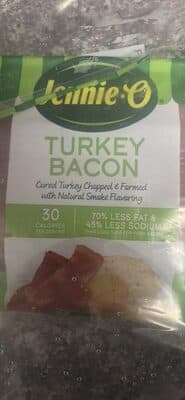
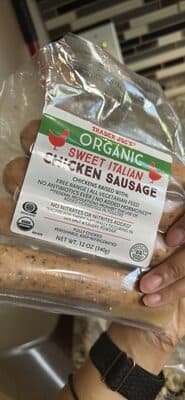
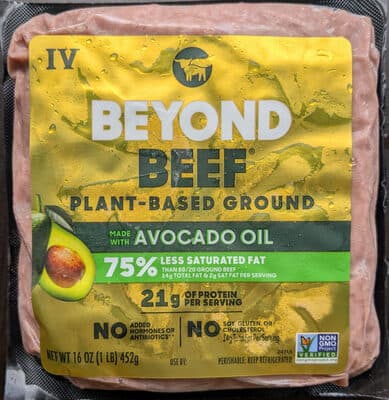
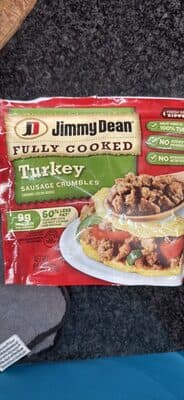
Potassium lactate is primarily used as a flavor enhancer in processed foods, where it amplifies existing flavors and improves overall taste perception. It is commonly found in meat products, poultry, seafood, and processed meat applications where it can also contribute antimicrobial properties. Additionally, potassium lactate appears in certain dairy products, soups, sauces, and ready-to-eat meals. The dual functionality as both a flavor enhancer and preservative makes it valuable in formulations seeking to extend shelf life while maintaining taste quality.
Safety Assessment
Potassium lactate has demonstrated a favorable safety profile in food applications. The FDA has received zero adverse event reports associated with this additive, and no recalls involving potassium lactate have been documented in FDA records. The EFSA (European Food Safety Authority) has also evaluated potassium lactate and established acceptable daily intake levels based on available toxicological data.
The safety profile is supported by the additive's composition: both potassium and lactate are substances naturally present in the human diet. Lactic acid is produced endogenously through normal metabolic processes, and potassium is an essential nutrient required for cardiovascular and neurological function. When potassium lactate is consumed in food at typical usage levels, it provides minimal additional potassium compared to natural dietary sources.
Toxicological studies have not identified genotoxic or reproductive concerns at relevant exposure levels. The additive is readily metabolized, with lactate being incorporated into normal metabolic pathways and potassium being regulated through standard homeostatic mechanisms.
Regulatory Status
Potassium lactate does not hold FDA GRAS (Generally Recognized as Safe) status in the United States, though it is permitted for use as a food additive under specific regulations. In the European Union, potassium lactate is approved as food additive E326 under Regulation (EC) No. 1333/2008, where it is classified as a preservative and acidity regulator. This approval allows use in various food categories with defined maximum levels depending on product type.
The difference in regulatory classification between regions reflects varying approaches to additive approval rather than safety concerns. The lack of GRAS designation in the US does not indicate safety issues but rather reflects the specific approval pathway through which the additive was assessed.
Key Studies
Available scientific literature on potassium lactate is limited compared to some additives, though existing data support its safety. Studies examining lactate salts generally indicate rapid metabolism and clearance from the body. Research on lactic acid and lactate compounds has established their role as normal metabolic intermediates with extensive history of safe consumption through fermented foods.
Food preservation studies have demonstrated potassium lactate's effectiveness at inhibiting pathogenic bacteria, particularly Listeria monocytogenes, supporting its dual role as flavor enhancer and preservative. These antimicrobial properties have been evaluated in meat and processed food systems.