What is L-glutamine?
L-glutamine is a non-essential amino acid with the chemical formula C5H10N2O3 and CAS number 56-85-9. It is one of the 20 standard amino acids found in proteins and exists naturally in many foods including meat, fish, eggs, dairy products, and vegetables. In food applications, L-glutamine is produced synthetically through fermentation processes and added to products as a functional ingredient.
Common Uses
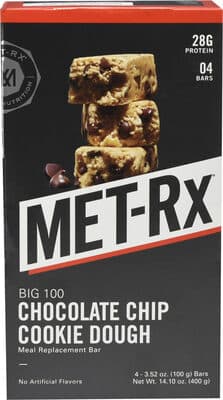
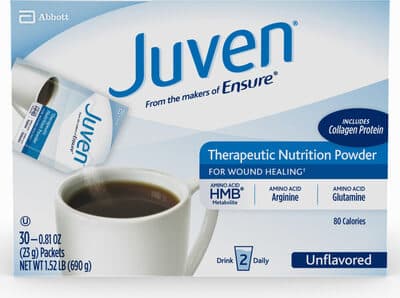
L-glutamine is utilized in the food industry primarily as a flavor enhancer and nutrient supplement. It appears in sports nutrition products, protein supplements, amino acid formulations, and specialized nutritional beverages. The ingredient is also used in some functional foods marketed for muscle recovery and gastrointestinal support. Additionally, L-glutamine serves as a flavoring agent or adjuvant in formulations designed to improve taste palatability while delivering amino acid content.
Safety Assessment
L-glutamine has been studied extensively in clinical and nutritional research contexts. As a naturally occurring amino acid, it is generally recognized as safe when consumed in typical dietary amounts through whole foods. The FDA has received 70 adverse event reports associated with L-glutamine-containing products, and there have been 8 product recalls involving this ingredient. While these reports exist in the adverse event database, they require careful contextual interpretation—adverse event reports do not establish causation and may involve other ingredients or underlying health conditions.
Most adverse events reported were associated with supplement or sports nutrition products containing multiple ingredients, making it difficult to isolate L-glutamine as the causative agent. Common reported issues included gastrointestinal symptoms, though such reports are rare relative to the widespread use of L-glutamine in nutritional products globally.
Clinical studies in medical literature demonstrate that oral L-glutamine supplementation is generally well-tolerated at doses ranging from 5-30 grams daily in research settings. Individuals with certain metabolic conditions or those taking specific medications should consult healthcare providers, as glutamine metabolism can be affected by medical status.
Regulatory Status
L-glutamine has not received GRAS (Generally Recognized as Safe) status from the FDA, which means it does not have blanket approval for all food uses. However, this does not indicate the ingredient is unsafe; rather, it reflects the specific regulatory pathway and review history. The ingredient is permitted in various food categories under FDA regulations when used within specified limits.
In the European Union, L-glutamine is evaluated under food additive regulations but is not listed as an approved food additive for general use, though it may be permitted in specific product categories under national or regional rules. The regulatory status varies by country and intended use—supplement versus conventional food product.
Key Studies
Nutritional research on L-glutamine has primarily focused on medical and clinical applications rather than food safety. Studies in peer-reviewed journals have examined L-glutamine's role in protein metabolism, immune function, and gastrointestinal health in clinical populations. Research indicates that L-glutamine is metabolized efficiently in the body and is a key fuel source for intestinal cells and immune cells.
Toxicology data on L-glutamine is limited because, as an endogenous amino acid, traditional toxicological testing is often considered unnecessary. No carcinogenicity, mutagenicity, or teratogenicity has been demonstrated in available literature. The ingredient's safety profile in food applications aligns with its established role in human nutrition and metabolism.