What is Mono- And Diglycerides, Citric Acid Esters And Sodium And Calcium Salts?
Mono- and diglycerides citric acid esters and sodium and calcium salts represent a specialized class of emulsifier compounds. These substances are derivatives of glycerides (fats) combined with citric acid and mineral salts. The combination creates molecules with both hydrophilic (water-loving) and lipophilic (fat-loving) properties, making them effective at stabilizing emulsions—mixtures of oil and water that normally do not blend.
The compound identified by CAS Number 977093-28-9 falls within the broader category of food emulsifiers, which are among the most widely used functional additives in modern food manufacturing. The sodium and calcium salt components provide additional functional benefits, including improved binding and stabilization properties.
Common Uses
Emulsifiers in this category are primarily used in processed food applications where texture and stability are critical. Common food products containing these emulsifiers include:
- Baked goods and bread products
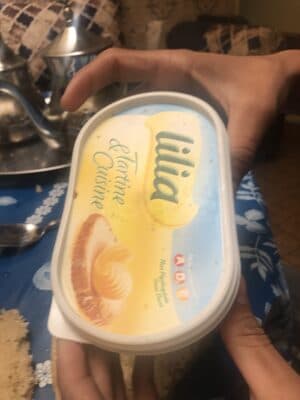
- Margarine and butter spreads
- Chocolate and confectionery products
- Dairy-based desserts and ice cream
- Sauce and dressing formulations
- Processed meat products
These additives help prevent separation of ingredients during manufacturing, storage, and transportation. They also improve mouthfeel, extend shelf life, and maintain consistent product quality across production batches.
Safety Assessment
According to available FDA data, there have been zero adverse events reported for this specific additive formulation. Additionally, the FDA database shows zero product recalls attributable to this substance. This absence of reported safety incidents suggests a favorable safety profile in its current applications.
It is important to note that this additive has not received GRAS (Generally Recognized as Safe) status from the FDA, which means it has not undergone the formal GRAS notification process. However, the lack of GRAS status does not indicate safety concerns; rather, it may reflect limited commercial use, lack of manufacturer petition submission, or regulatory classification differences. Many food additives operate safely in the food supply without formal GRAS designation.
Mono- and diglycerides themselves have been recognized as safe by food regulatory agencies in multiple countries. The citric acid component is a naturally-derived substance commonly used in food. The addition of sodium and calcium salts creates compounds that are similar to other approved emulsifier salts already used in food products.
Regulatory Status
While this specific formulation does not carry FDA GRAS status, it may be regulated under different mechanisms depending on its specific composition and intended use. The component materials (glycerides, citric acid, and mineral salts) are all recognized food substances with established safety profiles.
Regulatory approval varies by country. Interested parties should verify regulatory status in their specific jurisdiction, as different regions maintain separate food additive approval lists and may have varying designations for similar compounds.
Key Studies
Limited published research specifically addresses this exact formulation (CAS 977093-28-9). However, extensive research supports the safety of the individual component classes:
- Mono- and diglycerides have undergone comprehensive safety evaluations by the FDA and EFSA
- Citric acid and its derivatives are widely studied and recognized as safe food additives
- Sodium and calcium salts used in food products have established safety data
The absence of adverse events in FDA databases and zero recalls suggests this additive has operated safely in the food supply. Further research or toxicological studies may exist in manufacturer proprietary files or regulatory submissions not publicly available.