What is Propane?
Propane (CAS Number 74-98-6) is a three-carbon alkane gas (C₃H₈) commonly used as a propellant in food aerosol systems. In food applications, propane functions to dispense products from pressurized containers by providing the mechanical force needed to atomize or spray contents. It is odorless and colorless in its pure form, though commercial propane may contain odorants for safety purposes.
Common Uses
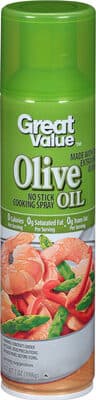
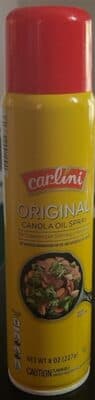
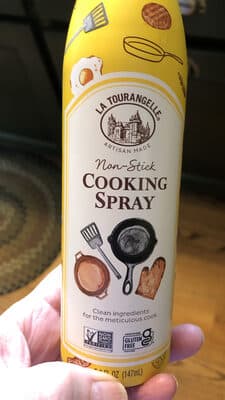
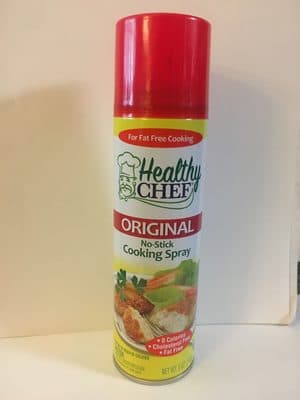
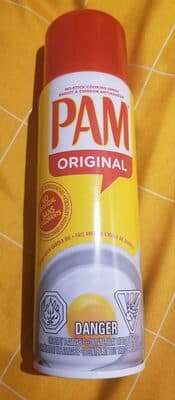
Propane is used as a propellant in various food aerosol products, including cooking sprays, whipped cream dispensers, and certain condiment sprays. It works alongside other propellants and is selected for its effectiveness in delivering controlled doses of food products. The propane remains in the container's headspace and does not typically mix with the food product itself, making it an indirect food contact substance. In many formulations, propane is combined with other approved propellants to achieve desired spray characteristics and product stability.
Safety Assessment
Propane has not been formally classified as GRAS (Generally Recognized as Safe) by the FDA for direct food use. However, its use in indirect food contact applications has been permitted under specific regulatory conditions. The compound is highly volatile and evaporates readily during and after dispensing, meaning residual propane in the final consumed product is minimal to negligible.
According to FDA records, there have been zero reported adverse events associated with propane use in food products and zero recalls specifically attributable to propane as a food additive. This safety record reflects decades of use in commercial food aerosol applications without documented consumer harm.
Propane's safety profile in food applications differs from its industrial uses because of the controlled, indirect exposure scenario. The amount of propane that could potentially remain on food after spraying is extremely small, and the compound is rapidly eliminated from the body if any is ingested.
Regulatory Status
The FDA permits propane for use as a propellant in food aerosol products under 21 CFR 182.1045, though it is not on the GRAS list. This means its use is permitted but operates under specific regulatory parameters rather than the broader GRAS designation. The European Food Safety Authority (EFSA) similarly permits propane in food aerosols in member states.
Propane is included in the list of permitted propellants in food contact applications in multiple countries, reflecting its long history of safe use in this specific application. Manufacturers using propane must adhere to good manufacturing practices and ensure that residual propellant levels in the final product remain below established limits.
Key Studies
Scientific literature on propane in food applications is limited because the regulatory approval preceded extensive modern safety testing. Historical safety data from industrial and consumer propane use supports the safety of occasional, incidental dietary exposure. Studies on food aerosol propellants generally indicate that volatile hydrocarbons like propane present minimal toxicological concern when used in pressurized food contact applications due to rapid evaporation and negligible ingestion amounts.
No systematic adverse event reports have been documented in medical literature linking propane propellant exposure from food products to consumer health effects. The compound's high volatility means it is unlikely to accumulate in food products or in human tissues.