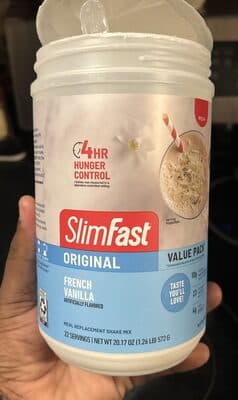
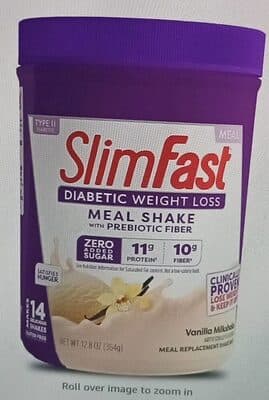
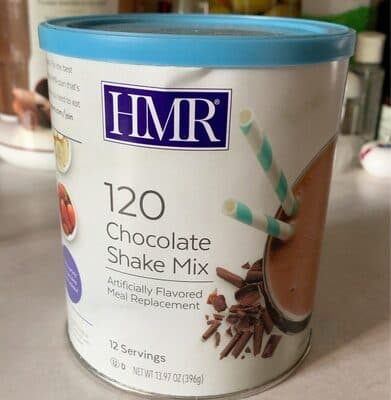
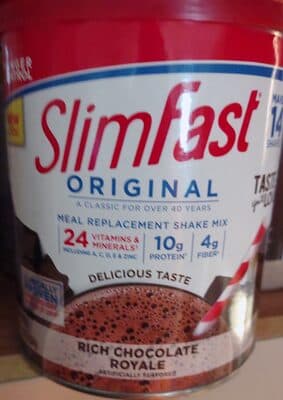
What is Acesulfame Potassium?
Acesulfame potassium, commonly known as acesulfame K or Ace-K, is a synthetic organic compound (CAS Number: 55589-62-3) that functions as a non-nutritive sweetener. It belongs to the oxathiazine dioxide class of chemicals and was first synthesized in 1967. The potassium salt form is used in food applications because of its stability and solubility in water. Unlike nutritive sweeteners such as sucrose, acesulfame K provides negligible calories and does not significantly affect blood glucose levels.
Common Uses
Acesulfame potassium is used in a wide variety of food and beverage products throughout North America, Europe, and many other regions. Common applications include:
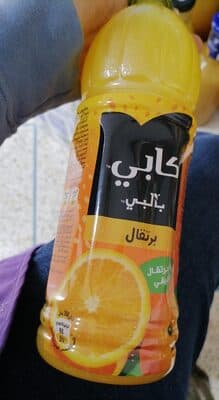
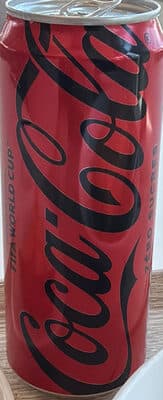
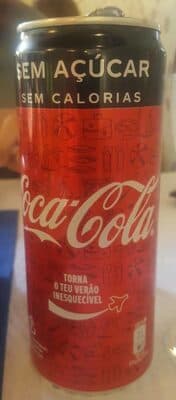
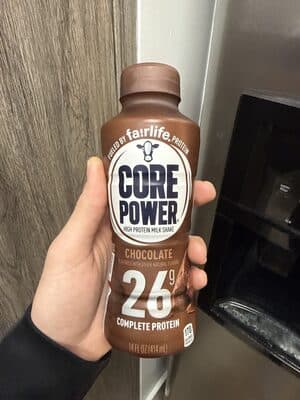
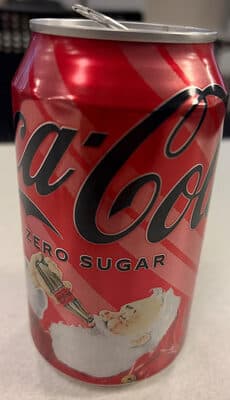
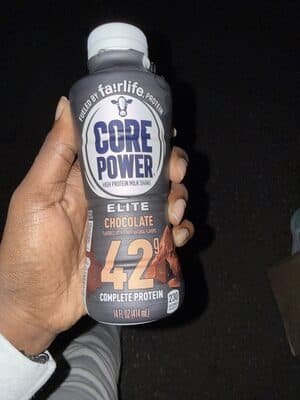
- Beverages: soft drinks, energy drinks, flavored waters, and alcoholic beverages
- Baked goods and desserts: cakes, cookies, and pastries
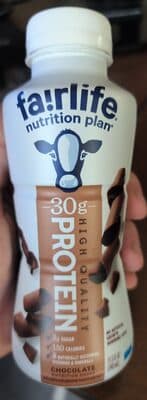
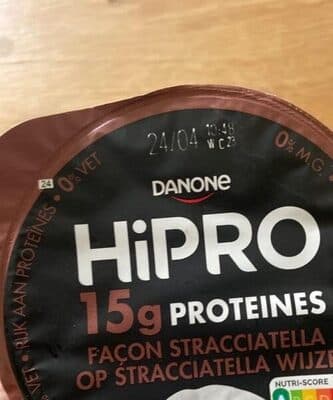
- Dairy products: yogurt and ice cream
- Confectionery: chewing gum, candies, and sugar-free products
- Table-top sweeteners and sweetening tablets
- Pharmaceuticals and oral care products
It is frequently used in combination with other sweeteners, particularly aspartame and sucralose, to achieve improved taste profiles and mask any bitter aftertaste associated with individual sweeteners.
Safety Assessment
Acesulfame K has been the subject of numerous safety evaluations by regulatory agencies worldwide. The sweetener is not readily absorbed by the human body; approximately 85-90% is excreted unchanged in urine within 24 hours. Animal studies have examined potential toxicological effects across multiple endpoints, including carcinogenicity, reproductive effects, and metabolic impacts.
The European Food Safety Authority (EFSA) re-evaluated acesulfame K in 2020 and concluded that the current acceptable daily intake (ADI) of 9 mg/kg body weight per day remains appropriate based on available evidence. The agency found that the exposure levels in the general population, including children, remain below this threshold in most cases.
In the United States, the FDA has not formally granted GRAS (Generally Recognized as Safe) status for acesulfame K through the traditional GRAS notification process, though the agency has permitted its use as a food additive under specific conditions since 1988. The FDA database records 3 adverse events and 12 recalls associated with products containing this ingredient, though specific details regarding causation are not publicly detailed.
Some consumer advocacy groups have raised concerns about the adequacy of long-term safety studies, particularly regarding potential metabolic or neurological effects. However, these concerns remain scientifically contested, and major regulatory bodies maintain that current evidence supports the safety of acesulfame K at permitted levels of use.
Regulatory Status
Acesulfame potassium is approved for use in the European Union (E950), Australia, Canada, and numerous other countries. In the United States, it is permitted as a food additive under 21 CFR 182.1003, though it lacks formal GRAS designation. Different countries maintain varying maximum permitted levels in specific food categories, typically ranging from 350-1000 mg/L in beverages depending on jurisdiction.
The regulatory approval process for acesulfame K has spanned several decades, with periodic re-evaluations by EFSA and other bodies reflecting the ongoing scientific assessment of safety data.
Key Studies
Significant safety research includes long-term animal toxicity studies, genotoxicity assessments, and reproductive/developmental toxicity studies, most of which have not identified clear evidence of harm at permitted exposure levels. The EFSA 2020 re-evaluation reviewed approximately 700+ scientific studies and concluded that acesulfame K does not pose a genotoxic or carcinogenic hazard. However, some independent researchers have called for additional studies on specific populations and long-term human exposure.