What is Cyclamate?
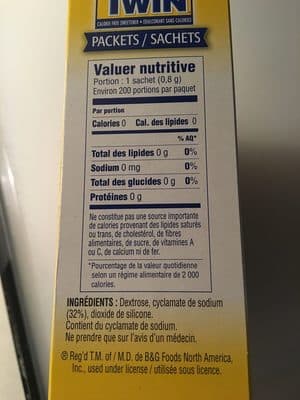
Cyclamate (cyclohexylsulfamate) is a synthetic organic compound belonging to the class of non-nutritive sweeteners. It was first synthesized in 1937 and commercially developed as a sugar substitute in the 1950s. The compound is characterized by its intense sweetness—approximately 30-40 times sweeter than sucrose—while providing minimal to no caloric content. Cyclamate exists as various salt forms, including sodium cyclamate and calcium cyclamate, which are the forms used in food applications.
Common Uses
Historically, cyclamate was incorporated into a wide variety of food and beverage products, including soft drinks, tabletop sweeteners, desserts, canned fruits, and pharmaceuticals. It was particularly popular in the 1960s and early 1970s before regulatory restrictions began. The sweetener was valued for its stability during processing and storage, making it suitable for use in both hot and cold applications. However, due to regulatory prohibitions in major markets, its use has become extremely limited globally.
Safety Assessment
Cyclamate's safety profile has been subject to considerable scientific debate. The FDA received zero adverse event reports related to cyclamate and no recalls were issued before the prohibition. Animal studies in the 1960s suggested potential metabolic effects, particularly regarding the conversion of cyclamate to cyclohexylamine in the gut by certain bacterial populations. However, subsequent research has questioned the relevance of these findings to human health, and direct evidence of harm in humans has not been established.
The European Food Safety Authority (EFSA) has reviewed cyclamate multiple times and determined that it does not pose a safety concern at approved levels of use. Some countries, including Canada and the European Union, permit its use under specific conditions with established acceptable daily intake (ADI) levels. The ADI established by EFSA is 11 mg/kg body weight per day.
The key scientific controversy centers on inter-individual differences in gut microbiota metabolism rather than intrinsic toxicity of cyclamate itself. Some individuals possess bacterial strains capable of metabolizing cyclamate to cyclohexylamine, while others do not.
Regulatory Status
Cyclamate is prohibited in the United States, where the FDA banned it in 1969 based on concerns about cyclohexylamine formation, though this decision remains controversial among toxicologists. The sweetener is also banned in Japan and several other countries. Conversely, it is approved for use in the European Union, Canada, Australia, and numerous other nations, where it remains in use in certain product categories.
Regulatory decisions regarding cyclamate vary significantly by jurisdiction, reflecting different risk assessment approaches and regulatory philosophies. These variations underscore the importance of checking local regulations for specific markets.
Key Studies
Notable research includes studies examining the metabolism of cyclamate in human populations, which demonstrated significant inter-individual variation in bacterial conversion to cyclohexylamine. Research published in regulatory dossiers and peer-reviewed literature has generally failed to demonstrate clear evidence of carcinogenicity or reproductive toxicity in humans at levels of exposure from food use. The 1969 FDA decision relied heavily on animal studies that have since been re-evaluated by other regulatory agencies using contemporary toxicological standards.
The scientific community continues to discuss cyclamate's safety profile, with some toxicologists questioning the basis for the original FDA prohibition while others maintain caution regarding long-term human exposure data.