What is Xylitol?
Xylitol (CAS Number 87-99-0) is a five-carbon sugar alcohol, or polyol, with the chemical formula C5H12O5. It occurs naturally in small quantities in various fruits, vegetables, and plants, and is commercially produced primarily through the hydrogenation of xylose derived from birch wood, corn cobs, and other plant sources. The compound was first isolated in the late 19th century and has been used in food applications for decades, particularly in Nordic countries.
Common Uses
Xylitol is widely used in the food industry as a sugar substitute and functional ingredient. Primary applications include:
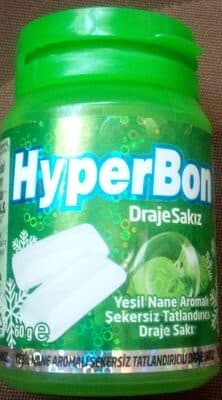
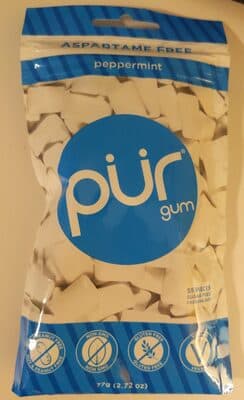
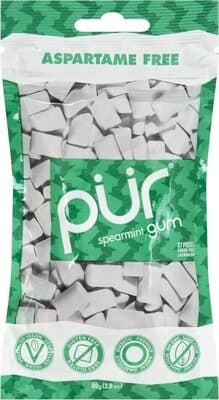
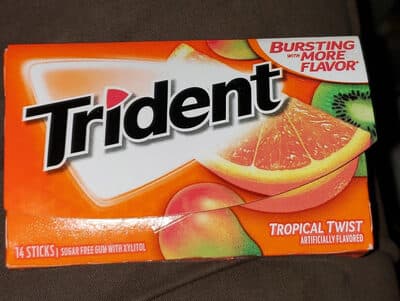
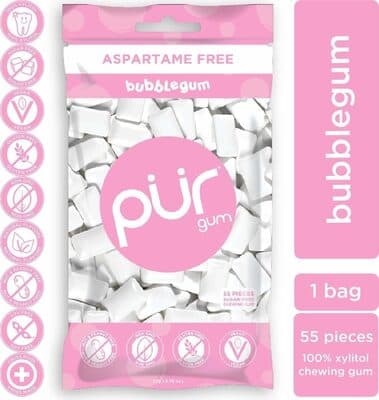
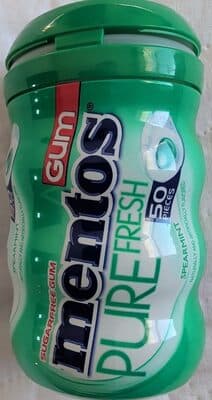
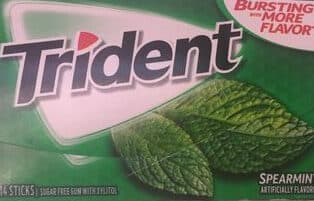
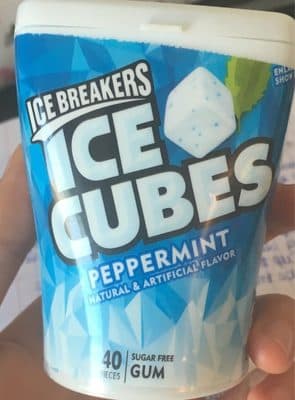
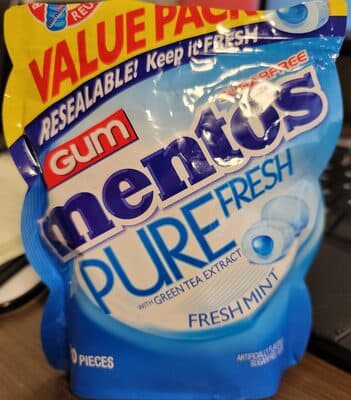
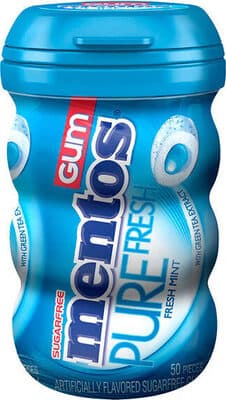
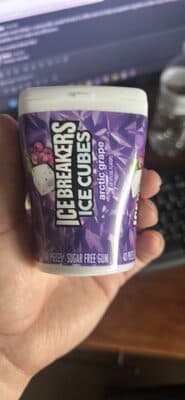
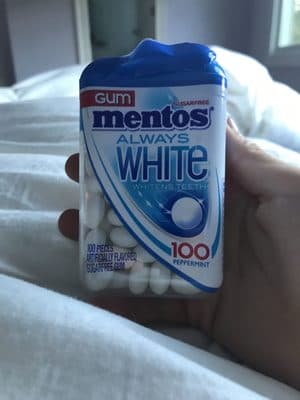
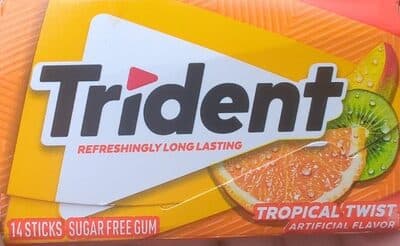
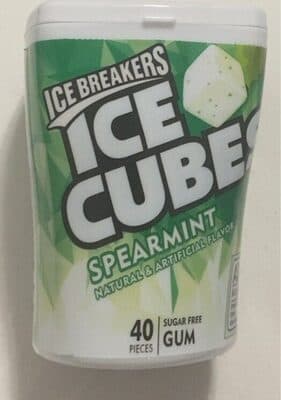
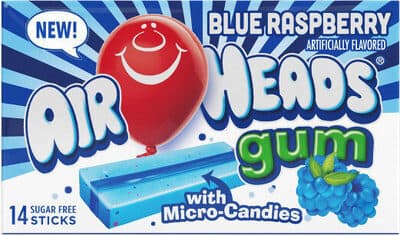
- **Confectionery**: Sugar-free candies, chewing gums, and lozenges
- **Baked goods**: Cookies, cakes, and bread products
- **Beverages**: Sugar-free drinks and oral care products
- **Pharmaceuticals**: Cough syrups and medicinal preparations
- **Oral care products**: Toothpaste and mouthwash formulations
Beyond its sweetening function, xylitol acts as a humectant, helping food products retain moisture and maintain texture during storage. Its hygroscopic properties make it valuable in maintaining product shelf stability and palatability.
Safety Assessment
Xylitol has an extensive safety profile supported by decades of global use and scientific evaluation. The FDA has granted Generally Recognized as Safe (GRAS) status to xylitol, indicating that it is recognized by qualified experts as safe for its intended use in food. The European Food Safety Authority (EFSA) has similarly established an Acceptable Daily Intake (ADI) of "not specified," indicating no safety concern at expected consumption levels.
No adverse events have been reported to the FDA regarding xylitol consumption in food applications, and there have been no FDA recalls associated with this additive. Toxicological studies have consistently demonstrated xylitol's safety profile across multiple endpoints, including acute toxicity, chronic toxicity, genotoxicity, and reproductive/developmental toxicity studies.
It is important to note that xylitol is toxic to dogs and can cause serious health effects in canine pets; however, this does not affect its safety status for human consumption. Pet owners should avoid products containing xylitol.
Regulatory Status
Xylitol is approved for use as a food additive in numerous countries and regulatory jurisdictions:
- **United States**: GRAS status under FDA regulations
- **European Union**: Approved as food additive E967 with no specified ADI
- **Canada**: Permitted as a food additive
- **Australia/New Zealand**: Approved food additive
- **Japan**: Approved for food use
It is subject to Good Manufacturing Practices (GMP) regulations, meaning it should be used at levels consistent with good manufacturing practices, with no specified maximum limits in most jurisdictions.
Key Studies
Numerous scientific studies support xylitol's safety profile:
- **Metabolic studies** demonstrate that xylitol is poorly absorbed in the small intestine and metabolized slowly, resulting in minimal insulin response and a low glycemic index (around 7 compared to sucrose at 65).
- **Long-term toxicity studies** in animals have shown no evidence of carcinogenicity, mutagenicity, or adverse systemic effects at relevant exposure levels.
- **Clinical trials** have documented xylitol's beneficial effects on dental health, particularly in reducing oral bacterial adherence and cavity formation, supporting its use in oral care products.
- **Digestive tolerance studies** indicate that while excessive consumption may cause osmotic laxative effects (common with all sugar alcohols), normal consumption levels are well-tolerated in humans.
The weight of scientific evidence consistently demonstrates xylitol's safety for food use in humans at typical consumption levels.