What is Mono- and Diglycerides?
Mono- and diglycerides are emulsifying agents composed of glycerol (a three-carbon alcohol) with one or two fatty acid chains attached. They occur naturally in foods but are also manufactured synthetically for use as food additives. The fatty acid chains can be derived from various sources including soybean oil, palm oil, and other vegetable oils. These compounds are classified as food-grade emulsifiers and are permitted for use in numerous food applications.
Common Uses
Mono- and diglycerides are among the most widely used emulsifiers in the food industry. They serve multiple functions in food production:
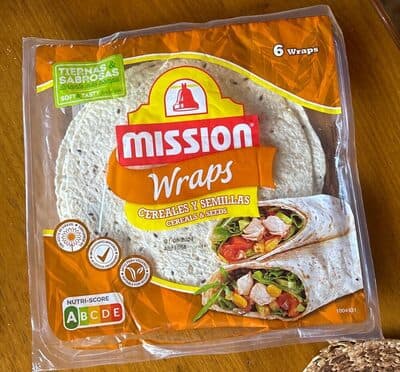
- **Baked goods**: Improve dough conditioning, crumb softness, and shelf life in breads, cakes, and pastries
- **Margarines and spreads**: Enable stable mixing of water and oil phases
- **Chocolate and confectionery**: Enhance texture and prevent blooming
- **Processed meats**: Improve fat distribution and texture stability
- **Dairy products**: Stabilize ice cream, whipped cream, and other products
- **Peanut butter**: Help maintain consistent texture and prevent oil separation
They can also function as stabilizers, thickeners, and lubricants depending on the food application.
Safety Assessment
Mono- and diglycerides have an extensive safety history in food applications. The FDA has designated them as Generally Recognized As Safe (GRAS), meaning they are considered safe for use in food based on a history of common use and scientific evidence. The compound received GRAS status due to the combination of natural occurrence in foods, extensive use history, and absence of demonstrated toxicological concerns.
According to FDA records, there have been zero reported adverse events associated with mono- and diglycerides as a food additive, and zero product recalls linked to their use as an ingredient. This safety profile reflects decades of use in food manufacturing worldwide.
The European Food Safety Authority (EFSA) similarly permits these substances as food additives in the European Union under Regulation (EC) No 1333/2008, with designated E numbers E471 for mono- and diglycerides and related E numbers for specific preparations.
Studies examining mono- and diglycerides have generally found them to be well-tolerated. The compounds are metabolized in the body similarly to dietary fats and oils, as they are essentially partial fats composed of fatty acids and glycerol—both normal dietary components.
Regulatory Status
In the United States, mono- and diglycerides are approved as food additives under 21 CFR 184.1324 (for those from vegetable oils) and related sections, with GRAS status affirming their safety. They are approved for use in a wide range of food categories.
The FDA permits use levels based on current good manufacturing practice, meaning manufacturers should use the minimal effective amount. Typical use levels are generally less than 1% of the final product.
International regulatory bodies including those in Canada, Japan, Australia, and other countries also permit mono- and diglycerides as food additives, underscoring their widespread acceptance.
Key Studies
Research on mono- and diglycerides has primarily focused on their emulsifying effectiveness and metabolic fate rather than safety concerns. Studies have demonstrated their effectiveness as emulsifying agents in various food systems. Metabolic studies confirm they are broken down and utilized by the body similar to dietary fats and oils.