What is L-arginine?
L-arginine (CAS 74-79-3) is a proteinogenic amino acid classified as semi-essential, meaning the human body can synthesize it but may require dietary sources under certain conditions such as illness, stress, or intense physical activity. It contains an aliphatic side chain with a guanidinium group, distinguishing it chemically from other amino acids. L-arginine is found naturally in protein-rich foods including meat, poultry, fish, dairy products, nuts, and seeds.
Common Uses
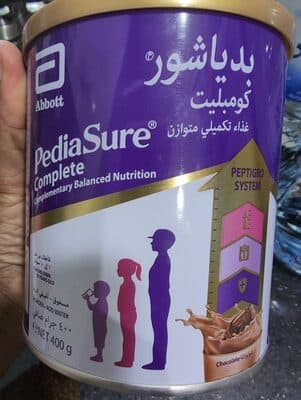
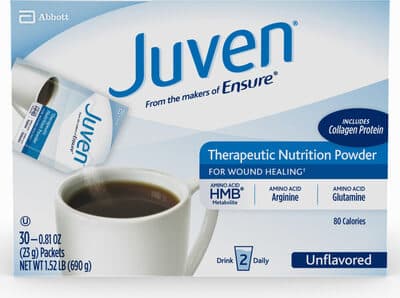
In the food industry, L-arginine is added to nutritional supplements, protein powders, sports beverages, and medical foods. It is particularly common in formulations designed for athletes, individuals recovering from illness, and those seeking immune system support. The ingredient is also used in infant formula and clinical nutrition products under specific regulatory frameworks. L-arginine serves as a functional nutrient ingredient rather than a preservative, flavoring agent, or processing aid.
Safety Assessment
L-arginine has been studied extensively in both food and pharmaceutical contexts. The FDA has received 107 adverse event reports associated with L-arginine products, though these reports do not establish causation and may reflect use patterns rather than inherent safety issues. One FDA recall involving L-arginine products was documented in the database.
Scientific literature indicates that L-arginine is generally well-tolerated at dietary levels. However, some individuals may experience gastrointestinal symptoms including nausea, stomach cramps, and diarrhea at high supplemental doses. People with certain medical conditions, including herpes simplex virus infections or those taking specific medications, should consult healthcare providers before consuming high-dose L-arginine supplements. The amino acid can affect blood pressure and vascular function, which may be relevant for individuals with cardiovascular conditions.
The International Society of Sports Nutrition and other scientific bodies have reviewed L-arginine evidence, noting that while it has theoretical benefits for athletic performance and vascular function, clinical evidence for specific health claims remains mixed and dose-dependent.
Regulatory Status
L-arginine does not hold FDA GRAS (Generally Recognized as Safe) status for use as a food additive, though this does not indicate the ingredient is unsafe. Instead, L-arginine is regulated differently depending on its intended use. When used in dietary supplements, it falls under the Dietary Supplement Health and Education Act (DSHEA) framework. As a component of medical foods and infant formulas, it is subject to specific regulatory requirements for those product categories. In the European Union, L-arginine is permitted as a food additive under specific conditions for certain food categories.
The absence of GRAS status reflects that L-arginine underwent different regulatory pathways rather than the formal GRAS notification process. Manufacturers adding L-arginine to foods must comply with applicable regulations for their specific product category and intended claims.
Key Studies
Research on L-arginine has focused on its role in nitric oxide synthesis, vascular function, and immune response. Studies have examined its effects on exercise performance, wound healing, and cardiovascular health. A 2017 systematic review in the Journal of the International Society of Sports Nutrition evaluated L-arginine supplementation for athletic performance, concluding evidence was equivocal depending on dose, timing, and population studied.
Nutrient metabolism studies confirm L-arginine is efficiently absorbed and utilized when consumed through food sources. Clinical trials examining high-dose supplementation have documented safety profiles in various populations, though individual responses vary. Long-term safety data at typical dietary supplement doses remains an area for continued research.