What is Copper Gluconate?
Copper gluconate (CAS Number 527-09-3) is an organic salt formed by combining copper with gluconic acid, a naturally occurring compound derived from glucose fermentation. This chelated form of copper is designed to enhance bioavailability, allowing the body to absorb and utilize copper more efficiently than inorganic copper sources. The gluconate ligand helps stabilize the copper ion and may improve absorption through the digestive system.
Common Uses
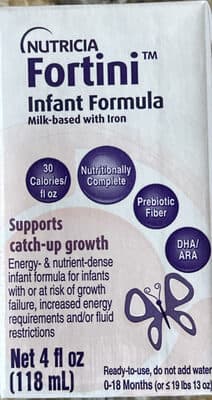
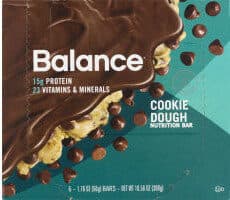
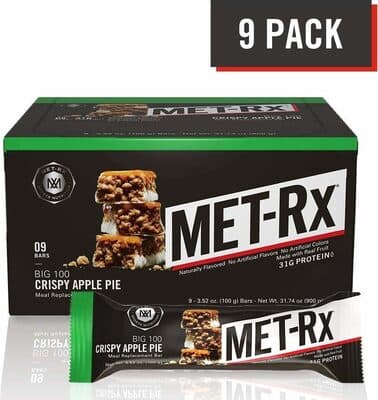
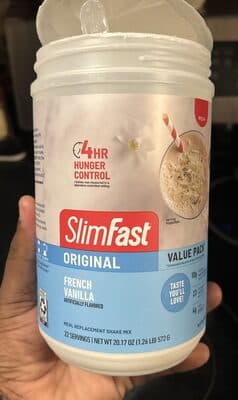
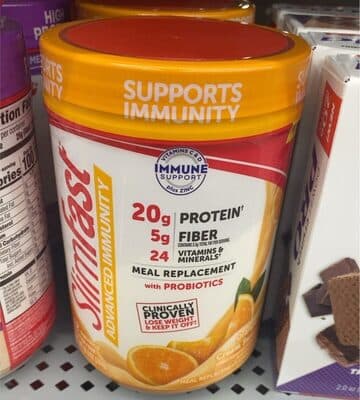
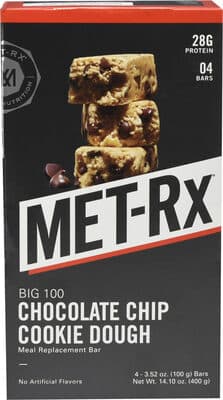
Copper gluconate appears primarily in dietary supplements and fortified food products intended to address copper deficiency or support overall nutritional status. As a nutrient supplement, it provides a measurable source of copper, an essential trace mineral. The compound also functions as a synergist, potentially enhancing the bioavailability or efficacy of other nutrients when used in multi-nutrient formulations. It may be found in:
- Dietary supplement tablets and capsules
- Fortified beverages and nutritional drinks
- Mineral premix formulations
- Functional food products
Copper itself plays critical roles in iron metabolism, collagen synthesis, antioxidant defense, and nervous system function.
Safety Assessment
Copper gluconate has demonstrated a favorable safety profile in available data. The FDA has recorded zero adverse events associated with copper gluconate and zero product recalls. This absence of reported safety incidents suggests the compound has been well-tolerated when used as intended in food applications.
Copper toxicity is a consideration with any copper source, as excessive intake can cause health problems. However, copper gluconate in food fortification contexts is used in amounts designed to address nutritional gaps without exceeding safe intake levels. The National Institutes of Health establishes the Recommended Dietary Allowance (RDA) for copper at 900 micrograms daily for adults, with an upper limit of 10 mg per day from food and supplements combined.
The chelated nature of copper gluconate—with copper bound to gluconic acid—may provide advantages in terms of absorption control and reduced gastrointestinal irritation compared to inorganic copper salts. Individual sensitivity to copper supplementation varies, and persons with certain genetic conditions affecting copper metabolism (such as Wilson's disease or Menkes disease) require medical supervision.
Regulatory Status
Copper gluconate is not listed as Generally Recognized as Safe (GRAS) by the FDA, which means it has not received this streamlined approval designation. However, this designation does not indicate the substance is unsafe; rather, it reflects the approval pathway and documentation submitted to the FDA. The compound may be approved for use in specific food categories under FDA food additive regulations or as a dietary supplement ingredient under the Dietary Supplement Health and Education Act (DSHEA).
Regulatory agencies in other countries, including those in the European Union, maintain separate approval processes and may have different classifications for copper gluconate. Manufacturers must comply with applicable regulations in markets where products are distributed.
Key Studies
Research on copper bioavailability has demonstrated that chelated copper compounds, including gluconates, can provide effective absorption compared to other copper sources. Studies on copper supplementation generally show that adequate copper intake supports immune function, bone health, and metabolic processes.
Large-scale toxicological studies on copper gluconate specifically are limited in published literature, though copper safety data exists for various formulations. The lack of reported adverse events and recalls suggests practical safety in food applications. Future research could examine long-term supplementation patterns and potential interactions with other dietary components.
Anyone considering copper supplementation or concerned about copper intake should consult healthcare providers, particularly those with underlying health conditions or taking medications that may interact with mineral supplements.