What is Isobutane?
Isobutane, also known as 2-methylpropane, is a four-carbon alkane gas with the chemical formula C₄H₁₀. It occurs naturally as a component of crude oil and natural gas. In food applications, isobutane is synthetically produced and refined to pharmaceutical or food-grade purity. At room temperature, it exists as a gas but can be liquefied under moderate pressure, making it suitable for use in pressurized food containers.
Common Uses
Isobutane serves exclusively as a propellant in food aerosol products. Common applications include:
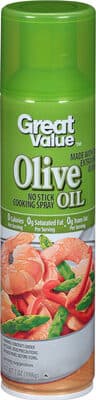
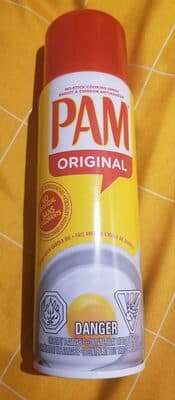
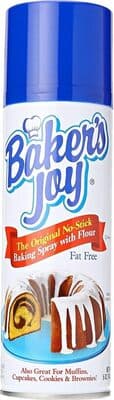
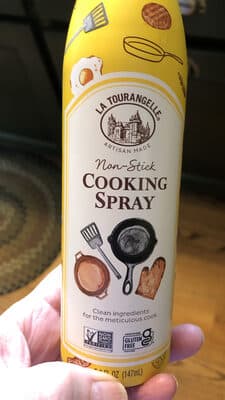
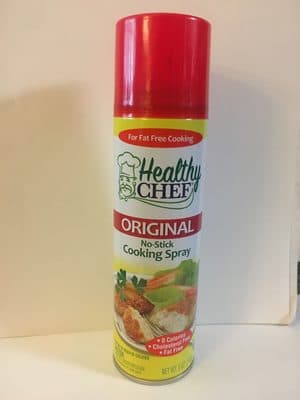
- Cooking spray and pan release agents
- Whipped cream dispensers
- Certain spray seasonings and flavorings
- Foam-based food products
As a propellant, isobutane works by creating internal pressure within a sealed container, allowing the product to be dispensed through a valve mechanism. It is preferred in some applications because it is odorless and does not affect the taste or aroma of food products.
Safety Assessment
Isobutane has been used in food applications for several decades without significant documented safety issues. The FDA has received zero adverse event reports related to isobutane use in food, and no FDA recalls have been associated with this propellant. When used as intended in food products, isobutane does not migrate into food in meaningful amounts, as it remains in the vapor phase and disperses into the atmosphere during product use.
The primary safety consideration with isobutane relates to inhalation exposure, particularly if the propellant is deliberately inhaled in concentrated form outside of normal food use. Under normal consumer use patterns—spraying cooking oil or dispensing whipped cream—exposure to isobutane vapor is minimal and brief.
Isobutane is volatile and flammable in concentrated form, but food aerosol products are formulated and packaged to minimize hazards. The propellant does not accumulate in the body, as it is not absorbed through the gastrointestinal tract and is rapidly exhaled if minimal amounts are inhaled during normal food use.
Regulatory Status
Isobutane is not on the FDA's GRAS (Generally Recognized As Safe) list for food use. However, it has been approved for use as a food additive under FDA regulations as a propellant. The European Food Safety Authority (EFSA) similarly permits isobutane as a food additive within established guidelines.
The absence from the GRAS list does not indicate safety concerns; rather, it reflects the regulatory pathway by which the ingredient was approved. Many food additives in use today were approved through different regulatory mechanisms prior to or outside the GRAS notification process.
Key Studies
Limited published research specifically examines isobutane safety in food applications, reflecting its long history of use without incident. Toxicological data on isobutane derives primarily from occupational exposure studies and general chemical hazard assessments rather than food-specific research.
Existing data indicates that isobutane is not acutely toxic at the exposure levels encountered through normal food consumption. It does not bioaccumulate, is not mutagenic, and shows no evidence of reproductive or developmental toxicity at relevant exposure doses.
Regulatory agencies in multiple countries have independently concluded that isobutane use in food aerosol applications presents negligible risk to consumers when used as specified. The complete absence of adverse event reports and recalls over decades of use provides additional reassurance regarding its safety profile in food.