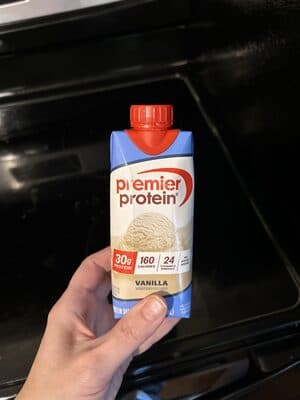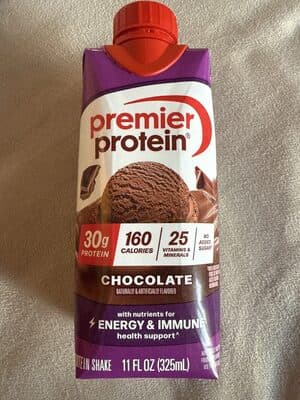
What is Carrageenan, Potassium Salt Of?
Carrageenan, potassium salt of (CAS Number: 64366-24-1) is a naturally derived polysaccharide extracted from red algae species, primarily Kappaphycus alvarezii and Eucheuma denticulatum. The potassium salt form is one of three main carrageenan types used in food manufacturing, alongside lambda and iota variants. This additive forms a gel-like substance when combined with certain conditions, making it valuable for texture modification in processed foods.
Common Uses
Potassium carrageenan functions as both an emulsifier and stabilizer/thickener in the food industry. Common applications include:
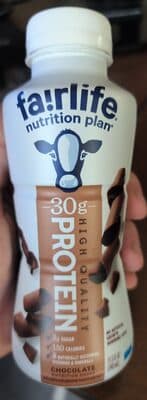
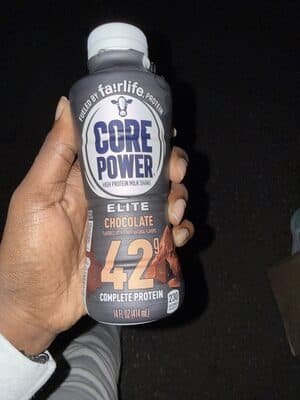
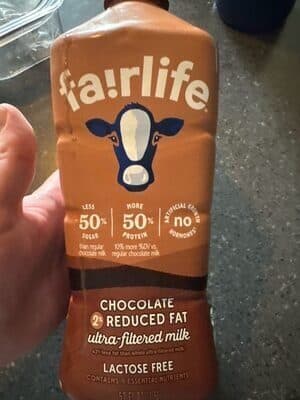
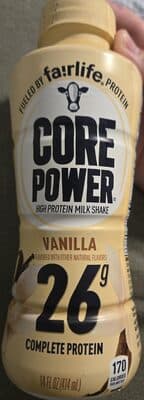
- Dairy products (yogurts, ice cream, puddings, and milk-based beverages)
- Meat products (processed meats, pâtés, and meat gels)
- Plant-based alternatives (meat and dairy substitutes)
- Beverages (flavored milk drinks, plant-based milks)
- Confectionery and desserts
- Sauces and dressings
The additive prevents separation of ingredients, improves mouthfeel, and extends shelf life without significantly altering product flavor.
Safety Assessment
The safety profile of carrageenan has been extensively studied. According to FDA records, there have been zero reported adverse events and zero recalls associated with potassium carrageenan. This additive is not currently listed on the FDA's Generally Recognized As Safe (GRAS) list, though this does not necessarily indicate safety concerns—rather, it reflects that the compound is approved through the food additive petition process as a regulated food additive.
The European Food Safety Authority (EFSA) has evaluated carrageenan and established acceptable daily intake levels. Various regulatory agencies worldwide, including Health Canada and Australia's Food Standards Authority, permit its use within specified concentration limits. Most regulatory approvals allow carrageenan in food at levels between 0.1% and 2%, depending on the product category.
Historically, some consumer concerns have been raised regarding carrageenan and gastrointestinal health. However, the FDA and EFSA have reviewed available scientific evidence and determined that food-grade carrageenan used at approved concentrations is safe for consumption. The distinction between food-grade carrageenan (regulated additive) and degraded carrageenan (a different substance sometimes used in research) is important when evaluating safety data.
Regulatory Status
Potassium carrageenan is approved for use as a food additive in the United States under FDA regulations (21 CFR 182.7187). It is classified as a regulated food additive rather than GRAS, meaning its use is permitted following the established food additive approval process. Within the European Union, it is listed as E407 in the EC Regulation 1333/2008 and is permitted in a wide range of food categories with specific usage limits.
The additive is also approved in Canada, Australia, New Zealand, and numerous other countries. International regulatory harmonization is relatively strong for this substance, reflecting its long history of safe use in food applications.
Key Studies
Numerous safety studies have evaluated carrageenan in recent decades. A 2021 systematic review examining carrageenan's safety profile found no credible evidence linking food-grade carrageenan to gastrointestinal inflammation at approved usage levels. The EFSA's most recent assessment (published in scientific panels) reaffirmed the safety of carrageenan for food use.
Toxicological studies, including those examining potential inflammatory effects, typically use degraded carrageenan or supraphysiological doses unrepresentative of dietary exposure. Studies using food-grade carrageenan at relevant concentrations have not demonstrated harm in animal models or human observational studies.
On-going monitoring continues through post-market surveillance systems. The zero adverse event reports in FDA databases over decades of use suggests a favorable safety record in real-world conditions.