What is Dimethyl Dicarbonate?
Dimethyl dicarbonate (DMDC) is a chemical compound with the CAS number 4525-33-1 that functions as an antimicrobial preservative in food and beverage production. The compound belongs to a class of carbonate esters and is notable for its rapid hydrolysis in the presence of water, converting into methanol and carbon dioxide within minutes of application.
Common Uses
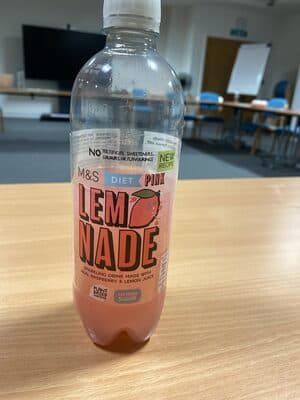
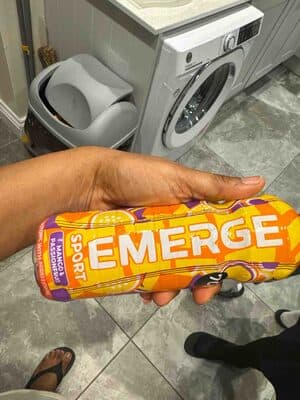
Dimethyl dicarbonate is primarily used in the beverage industry, particularly for wines, juices, and other non-carbonated drinks. Its antimicrobial properties make it effective against spoilage microorganisms including bacteria, wild yeasts, and fungi. The additive is typically applied in very small quantities before final bottling as a cold-sterilization alternative to heat treatment, which can affect product flavor and quality. Because DMDC hydrolyzes completely during processing, no residual antimicrobial compound remains in the finished beverage.
Safety Assessment
The safety profile of dimethyl dicarbonate is supported by its complete hydrolysis in aqueous solutions. Upon reaction with moisture, DMDC breaks down into methanol and carbon dioxide—both compounds that occur naturally in fermented beverages. The levels of methanol produced from DMDC treatment are comparable to or lower than those naturally present in many fermented foods and beverages.
According to FDA records, there have been no documented adverse events or product recalls associated with dimethyl dicarbonate use in food manufacturing. The compound's rapid degradation means that consumer exposure is limited to the breakdown products rather than the parent compound itself.
The European Food Safety Authority (EFSA) has evaluated DMDC and established acceptable use parameters in various food categories. Studies examining the metabolic fate of DMDC confirm its complete hydrolysis, supporting the safety conclusion that residual levels in final products are negligible or non-existent.
Regulatory Status
Dimethyl dicarbonate is not approved as a food additive by the FDA under the Generally Recognized as Safe (GRAS) classification. However, its use is permitted in certain applications under FDA regulations for specific beverages where it serves as a processing aid rather than a food additive, since the compound does not persist in the final product.
International regulatory approaches vary. In the European Union, DMDC is authorized as a food additive (E242) for specific uses in wine production and certain other beverages, with maximum use levels defined. The different regulatory approaches between regions reflect differing assessments of whether processing aids that completely hydrolyze should be classified as food additives.
The compound's regulatory status reflects its unique characteristics as an antimicrobial that completely breaks down during normal food processing, leaving no residues in finished products.
Key Studies
Research on dimethyl dicarbonate has focused on its antimicrobial efficacy, hydrolysis kinetics, and safety profile. Studies confirm that DMDC effectively inactivates spoilage microorganisms in beverages while hydrolyzing completely within minutes in aqueous solutions. Analyses of treated beverages show no detectable DMDC residues in final products.
Toxicological assessments have examined the safety of DMDC's breakdown products, finding that methanol and carbon dioxide are produced in quantities consistent with natural fermentation levels. Research supports that the antimicrobial mechanism does not result in harmful compounds persisting in food products.
Comparative studies between DMDC treatment and thermal processing show that DMDC can effectively reduce microbial contamination while preserving heat-sensitive flavor and nutritional components in beverages, representing an alternative preservation approach for specific product categories.