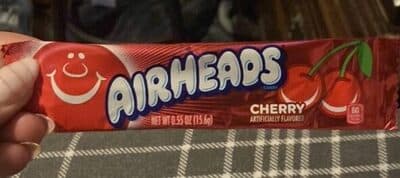
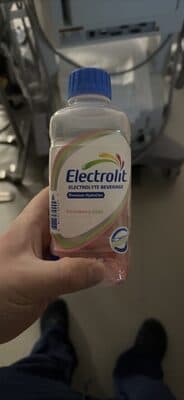
What is FD&C Red No. 40?
FD&C Red No. 40 (CAS Number: 25956-17-6) is a synthetic colorant belonging to the azo dye class. The "FD&C" designation indicates it is approved for use in Foods, Drugs, and Cosmetics under FDA regulations. Chemically known as Allura Red AC, it is produced through organic synthesis and appears as a dark red powder. The additive is oil-soluble and commonly used in both conventional and natural food formulations to achieve consistent red and pink coloration.
Common Uses
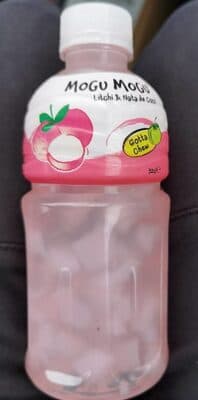
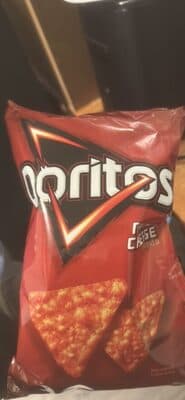
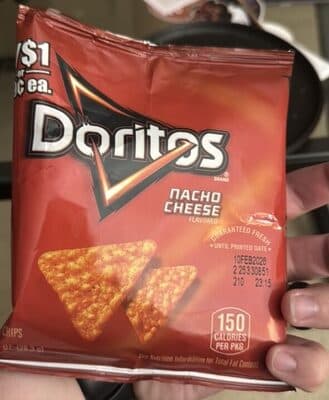
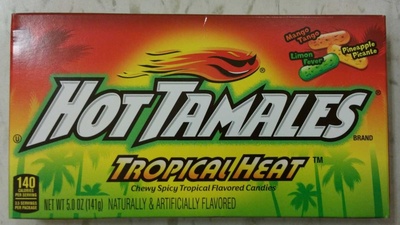
FD&C Red No. 40 is one of the most widely used synthetic food colorants in the United States. It is found in a diverse range of products including:
- Beverages (soft drinks, sports drinks, fruit juices)
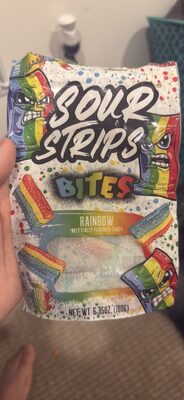
- Candy and confectionery items
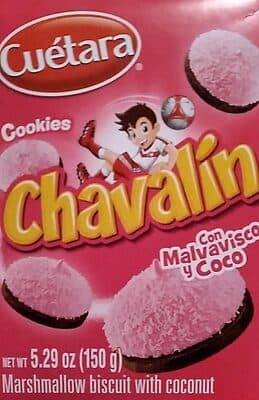
- Baked goods and desserts
- Dairy products (yogurt, ice cream)
- Jams and preserves
- Processed meats
- Pharmaceutical formulations and supplements
- Cosmetic products
Manufacturers favor this colorant because it provides stable, vibrant red coloration at low concentrations and maintains color integrity throughout the product's shelf life across varying pH and temperature conditions.
Safety Assessment
FD&C Red No. 40 has undergone extensive regulatory review. The FDA has not classified it as Generally Recognized As Safe (GRAS); instead, it is approved as a color additive subject to specific regulatory provisions. The additive has been used in food since 1971 in the United States.
According to FDA data, there have been zero documented adverse events formally reported and zero recalls associated with FD&C Red No. 40, indicating a strong safety track record in commercial use. Toxicological studies have assessed carcinogenicity, mutagenicity, and reproductive effects. Standard safety assessments include animal feeding studies at various dose levels, with researchers evaluating organ toxicity and systemic effects.
The acceptable daily intake (ADI) established by international regulatory bodies provides guidance on safe consumption levels. The European Food Safety Authority (EFSA) has evaluated this colorant and maintains it as an approved food additive (E129) in the European Union with established maximum use levels.
Some consumers express concerns about synthetic colorants in general. However, regulatory agencies distinguish between theoretical hazard and actual risk based on consumption patterns and exposure levels. The concentration of FD&C Red No. 40 in typical food products is well below levels that produced effects in animal studies.
Regulatory Status
In the United States, FD&C Red No. 40 is regulated under 21 CFR 74.340 as a color additive. The FDA establishes specific permitted use levels for different food categories. It is approved for use in foods where color addition is permitted, with some restrictions on maximum concentrations depending on food type.
International regulatory status varies:
- **European Union**: Approved as E129 (Allura Red AC)
- **Canada**: Permitted as a food colorant
- **Australia/New Zealand**: Approved under food standards
- **Japan**: Permitted for specific food applications
Labeling requirements mandate that FD&C Red No. 40 be declared on ingredient lists. Some countries have proposed or implemented warnings on products containing synthetic dyes, though the scientific basis for such warnings remains debated.
Key Studies
Regulatory decisions on FD&C Red No. 40 are based on cumulative toxicological evidence including chronic feeding studies in rodents, acute toxicity assessments, and genotoxicity testing. Studies examining potential allergic responses have found sensitization reactions to be rare in the general population, though individuals with certain food dye sensitivities may experience reactions.
Research on azo dyes generally has investigated whether intestinal bacteria can metabolize these compounds into potentially harmful breakdown products. Ongoing monitoring through post-market surveillance provides real-world safety data that informs regulatory decisions.