What is Disodium Guanylate?
Disodium guanylate is the sodium salt of guanylic acid, a naturally occurring nucleotide found in cells. The additive is produced through fermentation of yeast or extraction from natural sources, then chemically converted to its sodium salt form. It is classified as a flavoring agent and taste enhancer, functioning as an umami flavor amplifier—the savory taste associated with glutamates and nucleotides.
Common Uses
Disodium guanylate is primarily used in savory food applications, including:
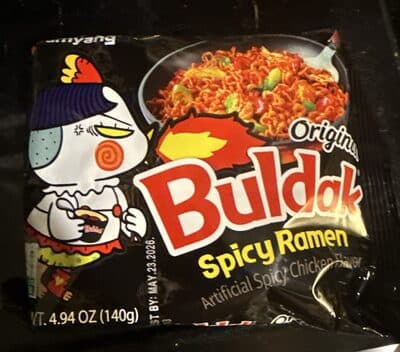
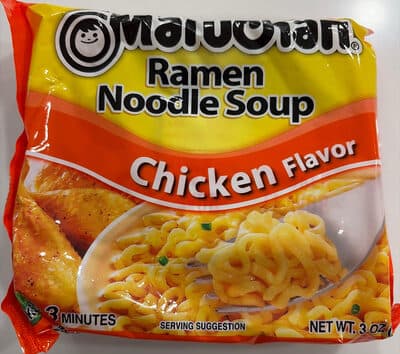
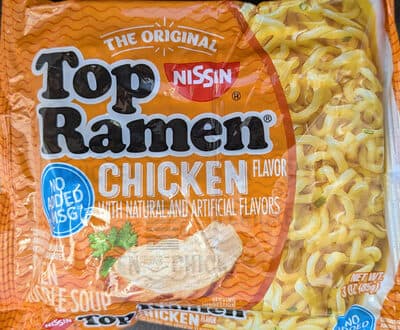
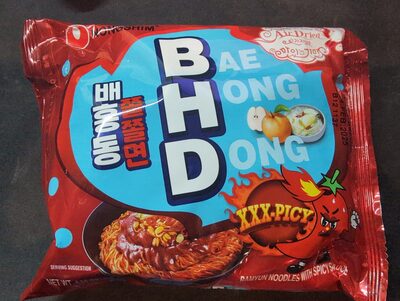
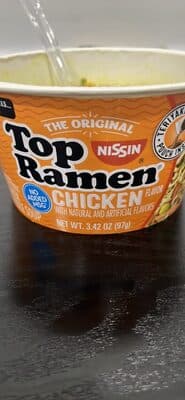
- Instant noodles and soup seasonings
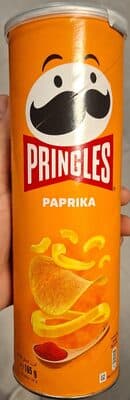
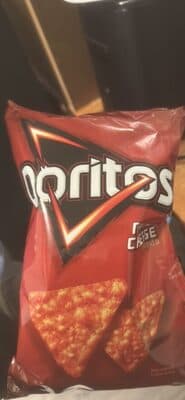
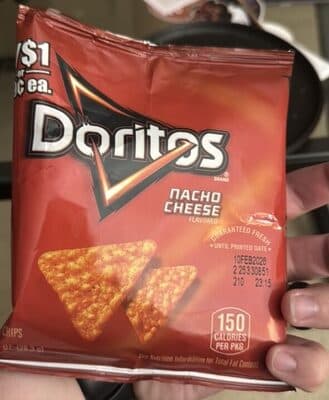
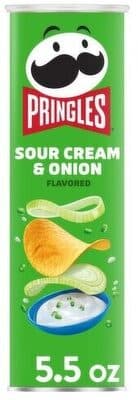
- Snack foods and potato chips
- Processed meat products
- Seasoning blends and condiments
- Ready-to-eat meals
- Broths and stock cubes
The additive is typically used in very small quantities (0.1-0.5% by weight) and frequently appears in formulations alongside monosodium glutamate (MSG) at ratios of approximately 1:4. This combination produces a synergistic umami effect at lower total concentrations than MSG alone would require.
Safety Assessment
Disodium guanylate has been designated as Generally Recognized As Safe (GRAS) by the FDA, indicating that safety experts have concluded it is safe under intended conditions of use. The European Food Safety Authority (EFSA) classifies it as a food additive (E626) permitted in certain categories across European Union member states.
According to FDA adverse event reporting, there have been 2 reported adverse events associated with disodium guanylate, though these reports do not establish causality and may reflect spontaneous reports from consumers. The additive appears in 13 FDA recall records, though these recalls typically involve multiple ingredients and do not necessarily indicate the additive itself as the primary safety concern. Recalls often cite contamination issues, allergen labeling failures, or other unrelated safety matters affecting the final product.
Scientific literature does not identify specific safety concerns with disodium guanylate at permitted use levels. The additive is a nucleotide naturally present in foods like aged cheeses, mushrooms, and fermented products. Individual sensitivities have been anecdotally reported by some consumers who experience reactions to umami-enhancing ingredients generally, but no clinically documented adverse effects have been established.
Regulatory Status
Disodium guanylate is approved for use in multiple regulatory jurisdictions:
- **United States (FDA)**: GRAS status with no restrictions on use in food categories where flavoring agents are permitted
- **European Union**: Approved as E626, with use permitted in specified food categories including seasonings, sauces, and meat products
- **Canada**: Permitted as a food additive in seasonings and flavoring preparations
- **Japan**: Permitted with no specific restrictions
The additive is classified as non-allergenic, though products containing it must comply with labeling requirements for added ingredients.
Key Studies
Limited peer-reviewed research specifically evaluates disodium guanylate in isolation. Available studies focus on umami taste perception and nucleotide metabolism rather than toxicology:
- Taste perception studies confirm the synergistic effect when combined with glutamates
- Metabolic studies show nucleotides are readily metabolized by normal digestive and cellular processes
- Sensitivity studies in populations with gout have found nucleotides may theoretically increase uric acid levels, though dietary nucleotide intake from foods like meat and seafood is substantially higher than from additives
The long history of nucleotide consumption through naturally fermented and aged foods supports the safety profile at typical additive use levels.