Parent's guide · Evidence review
Food additives linked to ADHD & hyperactivity.
The European Union mandates warning labels on foods containing any of 6 synthetic food dyes: "may have an adverse effect on activity and attention in children." The FDA reviewed the same evidence and is pursuing a phase-out by end of 2026. Here's what parents need to know, and how to find products without them.
The 6 dyes the EU flags for children.
Red Dye No. 40 · Allura Red AC
🇪🇺 Warning label required🇺🇸 Under FDA reviewYellow No. 5 · Tartrazine
🇪🇺 Warning label required🇺🇸 Under FDA reviewYellow No. 6 · Sunset Yellow
🇪🇺 Warning label required🇺🇸 Under FDA reviewRed Dye No. 3 · Erythrosine
🇪🇺 Banned🇺🇸 Banned Jan 2025 (phase-out to 2027)Blue No. 1 · Brilliant Blue
🇪🇺 Restricted🇺🇸 Approved, voluntary phase-out by end 2026Blue No. 2 · Indigotine
🇪🇺 Restricted🇺🇸 Approved, voluntary phase-out by end 2026
Timeline · The evidence and the regulations.
2007
Southampton Study
University of Southampton publishes the landmark randomized trial linking a mix of 6 dyes + sodium benzoate to measurable increases in hyperactivity in children.
2010
EU mandatory warnings
EU Regulation 1333/2008 enters into force: foods with any of 6 named dyes must carry 'may have an adverse effect on activity and attention in children'.
2011
FDA panel vote
FDA Food Advisory Committee votes 8-6 AGAINST warning labels in the U.S. FDA cites insufficient causal evidence at typical exposure.
2021
CA OEHHA report
California Office of Environmental Health Hazard Assessment concludes that synthetic food dyes can cause or exacerbate behavioral effects in some children.
2023
CA Prop 12 bill
California AB 2316 prohibits 6 named dyes in public school food starting 2027 — first U.S. state-level action tied to school meals.
2025
FDA revokes Red Dye #3
First FDA food-dye ban in 35 years. Compliance window through 2027.
2025
HHS voluntary commitment
Major U.S. manufacturers agree to phase out 6 synthetic dyes by end of 2026.
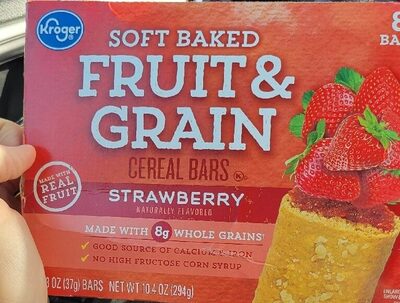
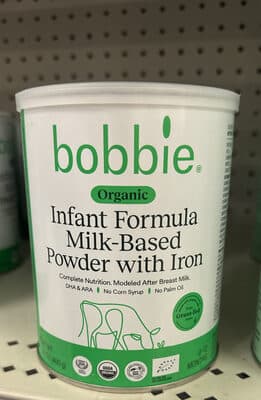
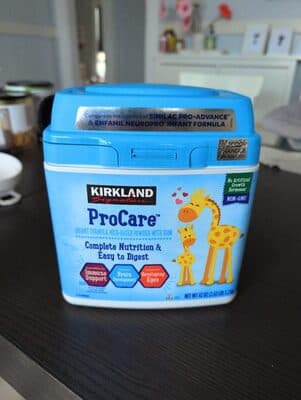
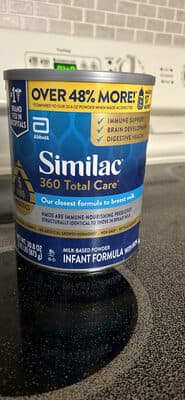
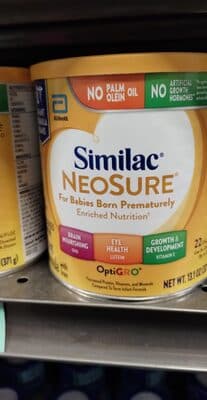
Dye-free products we verified.
See all →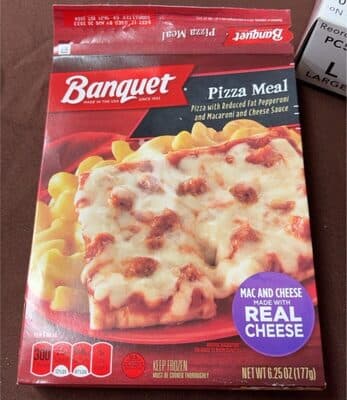
New research, new regulations — delivered Monday.
Weekly FDA recalls, rating changes, and evidence updates on additives linked to kids' health.
No ads. No agenda. Unsubscribe anytime.