What is FD&C Yellow No. 6?
FD&C Yellow No. 6, also known as Sunset Yellow FCF or C.I. Food Yellow 3, is a synthetic azo dye with the CAS number 2783-94-0. It belongs to the class of colorants known as synthetic or artificial food dyes, which are chemically synthesized compounds designed to provide consistent color to food products. The additive appears as a bright yellow to orange powder and is highly soluble in water, making it suitable for liquid and solid food applications.
Common Uses
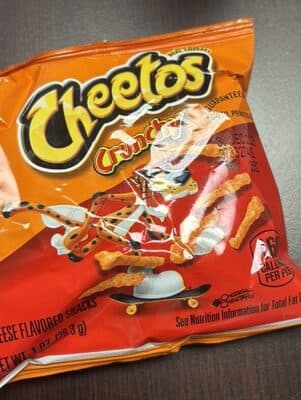
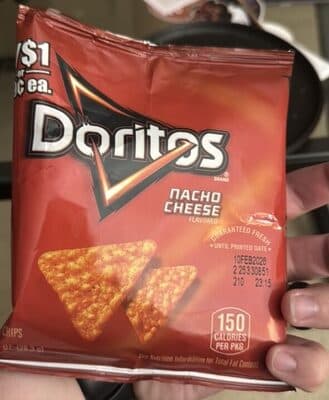
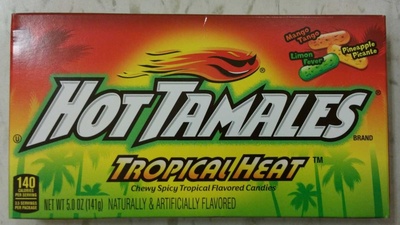
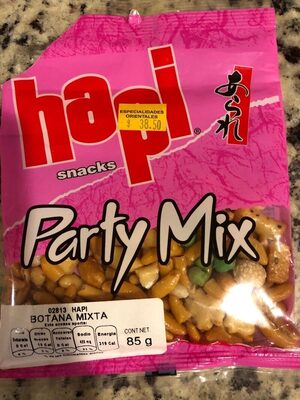
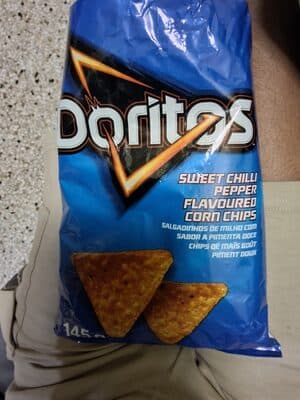
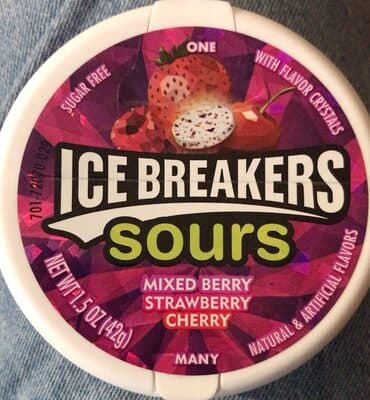
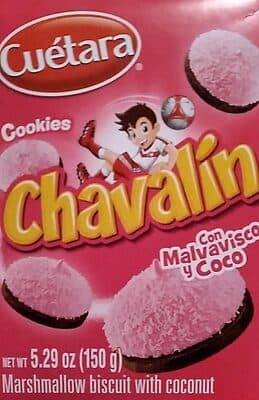
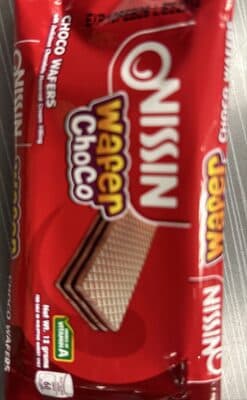
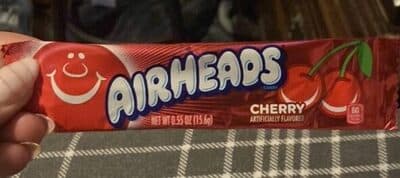
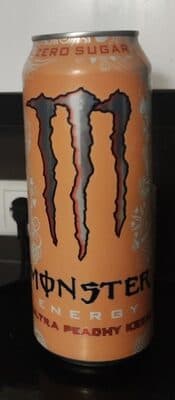
FD&C Yellow No. 6 is widely used across the food and beverage industry to color a variety of products. Common applications include soft drinks, sports beverages, gelatin desserts, candy, baked goods, dairy products, cereals, snack foods, and sauces. The additive is chosen because it provides a stable, vibrant yellow color that remains consistent throughout the product's shelf life and resists fading from light exposure or processing conditions. It is also approved for use in cosmetics and pharmaceuticals, where it serves similar coloring functions.
The additive is often used in combination with other dyes, such as FD&C Yellow No. 5 or FD&C Red No. 40, to achieve specific color effects and hues.
Safety Assessment
FD&C Yellow No. 6 has been extensively studied for safety since its approval. The FDA has established an acceptable daily intake (ADI) based on animal toxicology studies. According to available FDA data, there have been zero recorded adverse events linked to this additive and zero recalls associated with its use in food products.
The European Food Safety Authority (EFSA) has also evaluated this colorant and approves its use in the European Union under the designation E110 (with certain restrictions on maximum usage levels in specific food categories). The EFSA conducted a comprehensive risk assessment in 2009 and concluded that the additive does not pose a safety concern at current approved usage levels.
Animal studies have examined potential effects on reproduction, development, and long-term toxicity. These studies have not identified significant safety concerns at approved usage levels. Some studies have investigated potential hypersensitivity reactions in sensitive individuals, though such reactions are rare and typically occur at higher exposures than those expected from normal food consumption.
Regulatory Status
FD&C Yellow No. 6 is approved by the FDA as a color additive for use in foods, subject to specific limitations and regulations outlined in 21 CFR 82.1055. It is not classified as GRAS (Generally Recognized as Safe); instead, it is approved as a color additive subject to ongoing regulatory oversight and usage restrictions.
The additive is approved in many countries worldwide, including Canada, Australia, Japan, and throughout the European Union (where it carries the E-number designation E110). However, some countries maintain stricter regulations on its use or have implemented labeling requirements warning of potential allergenicity.
In the United States, manufacturers must list FD&C Yellow No. 6 by name on product labels, allowing consumers to identify its presence if they wish to avoid it.
Key Studies
Significant toxicological research on FD&C Yellow No. 6 includes 90-day and lifetime feeding studies in rats and mice, as well as reproductive and developmental toxicity studies. These studies, which form the basis for regulatory approval, examined parameters including body weight changes, organ weight changes, hematology, and histopathology. The collective body of evidence has supported its continued approval at current usage levels.
More recent studies have focused on potential mechanisms of action and hypersensitivity responses in susceptible populations. While some individuals report sensitivity to synthetic dyes, the prevalence of true adverse reactions remains low in the general population.