What is FD&C Yellow No. 5?
FD&C Yellow No. 5 (also called Tartrazine) is a synthetic organic compound belonging to the azo dye family. With CAS number 1934-21-0, it is one of seven FDA-approved colorants in the FD&C (Food, Drug, and Cosmetic) color family. The additive appears as a yellow to orange powder and is used primarily to add or maintain yellow coloring in food products. Its chemical structure consists of an azo linkage connecting aromatic rings with sulfonated substituents, which contributes to its distinctive coloring properties and water solubility.
Common Uses
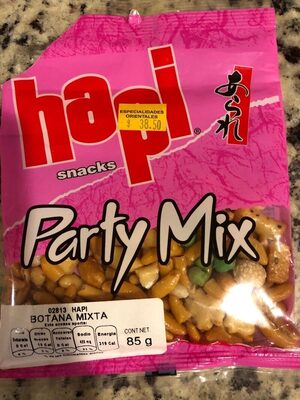
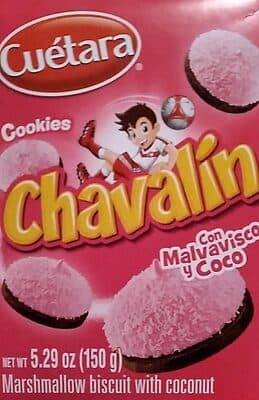
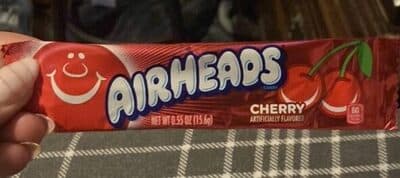
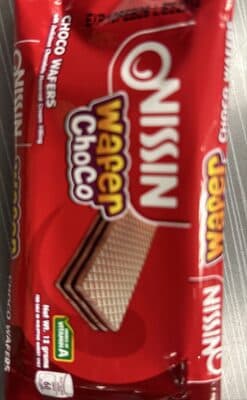
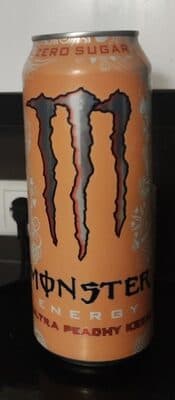
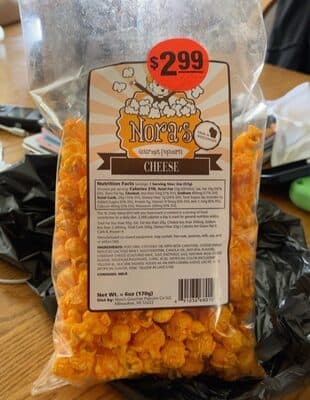
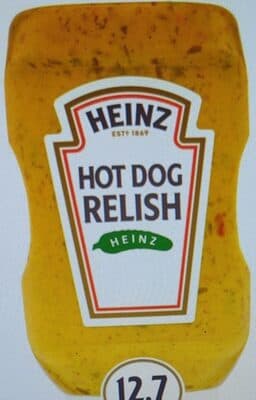
FD&C Yellow No. 5 is approved for use in a broad range of food categories, including beverages, dairy products, baked goods, confections, cereals, desserts, gelatin products, and snack foods. It is often used in combination with other FDA-approved colorants to achieve specific color effects. The additive is particularly prevalent in branded processed foods, including certain sports drinks, cake mixes, cookies, puddings, and candy products. Maximum use levels are regulated by the FDA and vary depending on the food category. The additive is also used in pharmaceutical and cosmetic applications approved by relevant regulatory agencies.
Safety Assessment
FD&C Yellow No. 5 has been extensively studied since its FDA approval. The FDA has received zero adverse event reports and zero recalls associated with this colorant, indicating a strong safety profile in the U.S. market. However, the additive is not on the FDA's GRAS (Generally Recognized as Safe) list, meaning it requires pre-market approval and ongoing regulatory review rather than being classified as inherently safe based on historical use.
Some individuals report sensitivity to tartrazine, with anecdotal reports suggesting potential links to hyperactivity in children, though large-scale clinical evidence supporting this connection remains limited and inconsistent. The European Food Safety Authority (EFSA) has also reviewed this colorant and maintains an acceptable daily intake (ADI) of 7.5 mg/kg body weight per day. The additive is labeled in the European Union as a potential allergen, and some countries require labeling when tartrazine is present in food.
Regulatory Status
FD&C Yellow No. 5 is approved for use in the United States under FDA regulations (21 CFR 74.705). It is approved in the European Union (E110), Canada, Australia, and most other countries with established food safety regulatory bodies. The FDA periodically reviews the safety of approved colorants, and FD&C Yellow No. 5 continues to be permitted for use without restrictions, though manufacturers must comply with specific maximum usage levels and labeling requirements in certain jurisdictions. In the U.S., products containing tartrazine must list it by name on ingredient labels.
Key Studies
Historical toxicological studies supporting FD&C Yellow No. 5's approval examined acute and chronic toxicity in animal models, demonstrating low systemic toxicity at food-relevant exposure levels. The additive has been the subject of sensitivity studies, with some research examining whether tartrazine may trigger adverse reactions in susceptible individuals, though the incidence of true tartrazine sensitivity remains poorly defined in epidemiological literature. The EFSA conducted a comprehensive re-evaluation of the colorant in 2009, concluding that the existing ADI was appropriate based on available scientific data. Ongoing monitoring through post-market surveillance systems in multiple countries continues to support the safety profile of this widely-used colorant.