What is FD&C Blue No. 1?
FD&C Blue No. 1, also known as Brilliant Blue FCF, is a synthetic azo dye with the CAS number 3844-45-9. It belongs to the class of colorants approved for use in the United States under the FDA's Color Additives Status List. The compound is produced through chemical synthesis and has been used in food, beverage, and pharmaceutical applications for decades.
Common Uses
FD&C Blue No. 1 is widely used in the food and beverage industry to provide blue coloring. Common applications include:
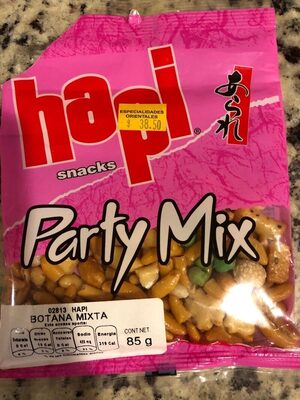
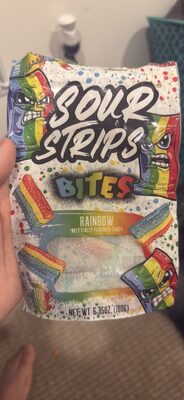
- Confectionery and candy products
- Beverages (sports drinks, soft drinks, juices)
- Frozen desserts and ice cream
- Baked goods
- Dairy products
- Pharmaceutical tablets and capsules
- Cosmetics and personal care products
The colorant is chosen for its stability, consistency, and ability to produce vibrant blue hues that remain stable during processing and storage. It is often used alongside other colorants to achieve specific shades and color effects.
Safety Assessment
The FDA permits FD&C Blue No. 1 for use in foods under 21 CFR Part 74. The additive has undergone safety evaluations and is listed as approved for use in foods. The FDA database shows zero reported adverse events and zero recalls associated with FD&C Blue No. 1, indicating a long history of use without documented safety incidents.
The European Food Safety Authority (EFSA) also permits the use of Brilliant Blue FCF (E133) in the European Union under specific conditions and with established maximum levels in various food categories. Both regulatory bodies have determined the additive to be safe for the general population at approved usage levels.
Toxicological studies on FD&C Blue No. 1 have examined acute toxicity, subchronic and chronic toxicity, genotoxicity, and reproductive/developmental effects. The available evidence supports the safety of the colorant when used in accordance with regulatory guidelines.
Regulatory Status
In the United States, FD&C Blue No. 1 is approved by the FDA as a color additive for use in foods, with specific restrictions on maximum levels depending on the food category. It is not classified as "Generally Recognized as Safe" (GRAS) but rather as an approved color additive subject to regulatory oversight.
The additive is approved in most countries with developed food safety systems, including Canada, Australia, and the European Union (where it is designated as E133). Each jurisdiction establishes its own maximum permitted levels based on safety assessments.
Key Studies
Numerous safety studies have been conducted on FD&C Blue No. 1 since its approval. Regulatory agencies have reviewed data on:
- Acute oral toxicity studies in laboratory animals
- 90-day subchronic toxicity studies
- Two-year chronic toxicity and carcinogenicity studies
- Genotoxicity and mutagenicity assessments
- Reproductive and developmental toxicity studies
These studies, conducted according to standardized toxicological protocols, have consistently supported the safety of FD&C Blue No. 1 at approved usage levels. The lack of adverse event reports and recalls in regulatory databases further supports its safety profile in actual use.
Regulatory agencies periodically review available literature to ensure continued safety monitoring. The absence of reported adverse events in FDA databases over decades of use suggests that FD&C Blue No. 1 has a well-established safety record when used as approved.