What is Saccharin, Ammonium Salt?
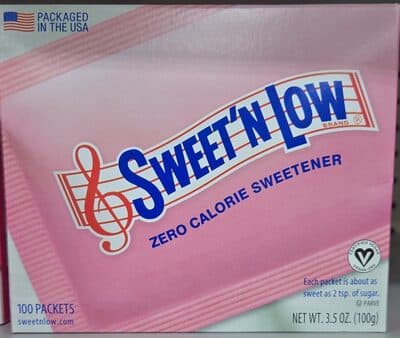
Saccharin, ammonium salt is the ammonium form of saccharin, a synthetic non-nutritive sweetener first synthesized in 1878. The ammonium salt version is one of several salt forms of saccharin (including sodium and calcium salts) that can be used in food applications. This form provides the same sweetening properties as other saccharin formulations while offering different solubility and handling characteristics. Saccharin itself is a benzoisothiazole dioxide compound that the human body cannot metabolize for energy, making it a zero-calorie sweetening option.
Common Uses
Saccharin, ammonium salt is used in various food and beverage applications as a sugar substitute, including diet sodas, reduced-calorie beverages, sugar-free desserts, tabletop sweeteners, pharmaceuticals, and other low-calorie food products. The ammonium salt form is selected in some applications due to its solubility properties and compatibility with specific formulations. It is particularly valued in products marketed to consumers seeking to reduce caloric or sugar intake.
Safety Assessment
Saccharin has been extensively studied over more than a century of use. Early rodent studies from the 1970s raised concerns about potential bladder cancer risk, which led to saccharin being listed under the Proposition 65 warning in California. However, subsequent research determined that the cancer mechanism observed in male rats does not apply to human physiology. The National Toxicology Program removed saccharin from its list of substances reasonably anticipated to be human carcinogens in 2001. The FDA reported zero adverse events associated with saccharin, ammonium salt in its database and zero recalls, indicating no documented safety incidents from use in food. The European Food Safety Authority (EFSA) has established an acceptable daily intake (ADI) of 5 mg/kg body weight for saccharin and its salts, a level considered safe for the general population including children.
Regulatory Status
Saccharin, ammonium salt is not listed as Generally Recognized As Safe (GRAS) by the FDA, but it remains an approved food additive for use as a non-nutritive sweetener in the United States under CFR 21 182.1640. This approval allows its use in specific food categories with established usage levels. In the European Union, saccharin and its salts (including the ammonium salt) are approved as food additives under regulation EC 1333/2008 with the designation E954. It is permitted in numerous countries worldwide, though usage restrictions and maximum levels may vary by jurisdiction. The substance is regulated as a food additive rather than a dietary supplement or drug.
Key Studies
The most significant modern evaluation came from the National Toxicology Program's reassessment, which concluded that saccharin does not pose a carcinogenic risk to humans. The EFSA conducted a comprehensive risk assessment in 2015, reviewing all available toxicological data and confirming the safety of saccharin at established use levels. Long-term human observational studies have not established a causal link between saccharin consumption and adverse health outcomes. The ammonium salt form specifically has been evaluated as equivalent in safety to other saccharin salts, with no unique toxicological concerns identified.