What is Potassium Cyclamate?
Potassium cyclamate (CAS Number: 7758-04-7) is the potassium salt form of cyclamic acid, a synthetic non-nutritive sweetener. It provides sweetness without significant calories and was developed as an alternative to saccharin and sugar. The compound is approximately 30-40 times sweeter than sucrose, making it useful for reducing sugar content in food products while maintaining sweetness.
Common Uses
Historically, potassium cyclamate was used in the United States primarily in:
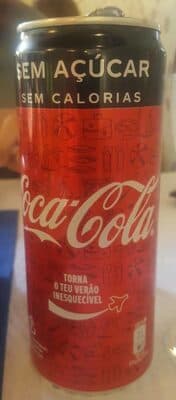
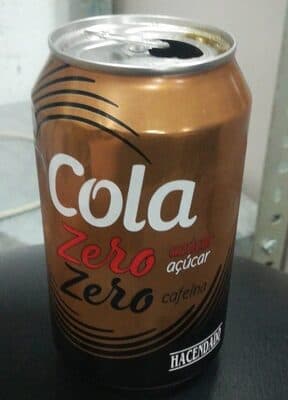
- Diet beverages and soft drinks
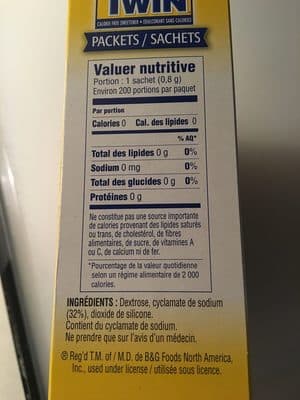
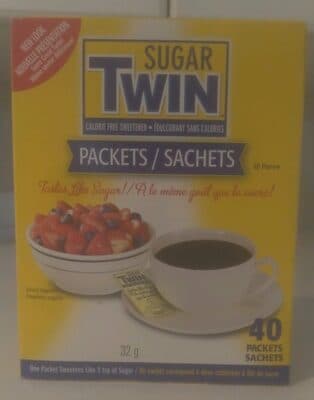
- Tabletop sweetening products
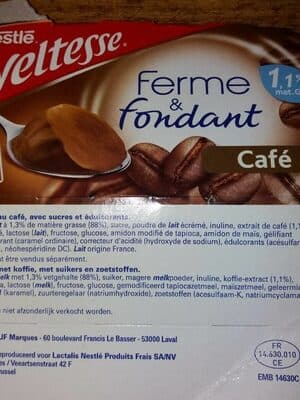
- Processed foods marketed as low-calorie or sugar-free
- Pharmaceutical formulations and liquid medications
Before its prohibition in the U.S., it was often used in combination with saccharin to improve taste profiles. In countries where it remains approved, it continues to be used in similar applications.
Safety Assessment
The FDA received zero adverse event reports and zero recalls associated with potassium cyclamate during its period of authorization in the United States. However, the basis for its prohibition was not clinical adverse events in consumers, but rather findings from laboratory animal studies.
In 1969, the FDA banned potassium cyclamate based on research showing that some cyclamate metabolites produced bladder tumors in rats and mice at high doses. The agency determined that the safety data were insufficient to continue permitting the additive, applying a precautionary approach particularly relevant to synthetic chemicals with limited human consumption history.
Subsequent international research has shown mixed results. The European Food Safety Authority (EFSA) has reviewed cyclamate and established an acceptable daily intake (ADI) of 7 mg/kg body weight per day, concluding that the evidence does not establish a clear carcinogenic risk to humans at typical exposure levels. The EFSA noted that the animal studies used exceptionally high doses not representative of human consumption patterns.
Regulatory Status
Potassium cyclamate remains prohibited in the United States and has not been reapproved by the FDA since the 1969 ban. The prohibition remains in effect, and cyclamate cannot be added to foods or beverages marketed in the U.S.
Internationally, regulatory status varies significantly:
- **European Union**: Approved as food additive E952, permitted in certain categories with specific maximum use levels
- **Canada**: Approved for use in tabletop sweeteners and beverages
- **Australia/New Zealand**: Approved as food additive 952
- **Japan**: Approved with specific use restrictions
This divergence reflects different regulatory philosophies and risk assessment methodologies across jurisdictions.
Key Studies
The pivotal U.S. studies were conducted in the late 1960s by the Abbott Laboratories and evaluated by the FDA. These studies reported bladder tumors in rats and mice exposed to high-dose cyclamate.
More recent reviews by the EFSA (2000) and subsequent updates examined the mechanistic basis of animal findings and concluded that the effects observed in animals at extreme doses may not be relevant to human consumption at normal dietary levels. The EFSA noted that cyclamate itself (not metabolites) showed no carcinogenic activity in multiple studies.
However, the FDA has maintained its position that the original safety concerns were not adequately resolved to warrant reapproval in the U.S. market.