What is Magnesium Cyclamate?
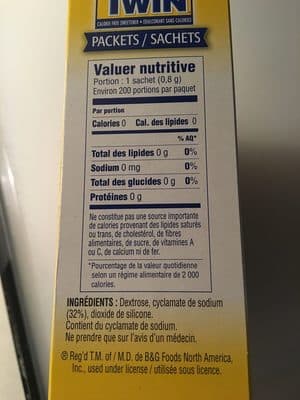
Magnesium cyclamate (CAS Number: 7757-85-9) is the magnesium salt form of cyclamic acid, an artificial non-nutritive sweetener. It provides sweetness without contributing calories to food products. The compound was first synthesized in 1937 and became widely used as a sugar substitute in the mid-20th century. Magnesium cyclamate is approximately 30-40 times sweeter than sucrose, making it an effective sweetening agent in small quantities.
Common Uses
Historically, magnesium cyclamate was used in a variety of food and beverage applications, including:
- Soft drinks and carbonated beverages
- Tabletop sweetening products
- Canned fruits and fruit juices
- Dairy products and desserts
- Pharmaceuticals and medicinal syrups
- Confectionery products
At its peak usage in the 1960s, cyclamate was one of the most widely used artificial sweeteners globally. However, its use has been substantially eliminated in many markets due to regulatory prohibitions.
Safety Assessment
The safety profile of magnesium cyclamate has been subject to considerable scientific debate. Early toxicological studies in animals raised concerns about potential health effects, though the relevance of animal model findings to human health remains contested among scientists.
According to FDA records, there have been zero reported adverse events associated with magnesium cyclamate and zero recalls. This lack of documented adverse event reports suggests limited evidence of direct human harm from food consumption.
However, regulatory decisions regarding cyclamate have largely been precautionary rather than based on documented human toxicity. Different regulatory agencies reached varying conclusions based on interpretation of the available scientific evidence and risk assessment methodologies.
Regulatory Status
Magnesium cyclamate is **prohibited for use as a food additive in the United States**. The FDA banned cyclamate in 1969 based on animal study concerns, though this decision remains controversial among some scientists who argue the evidence did not definitively establish human health risks.
The regulatory status varies internationally:
- **Prohibited**: United States, Japan, Australia
- **Permitted**: European Union (E952), Canada, and numerous other countries
- **Restricted**: Some countries allow limited use under specific conditions
The European Food Safety Authority (EFSA) has reviewed cyclamate and concluded it is acceptable for use within specified limits, though this assessment differs from the FDA's prohibition stance.
Key Studies
Significant research on cyclamate includes:
- Early 1960s animal studies that raised concerns about bladder effects in rodents at high doses
- Subsequent human studies that failed to replicate animal findings at typical consumption levels
- Metabolic studies demonstrating that humans process cyclamate differently than some animal models
- A notable study by Price et al. (1970) examining cyclamate metabolism in humans, which suggested animal findings may not translate directly to human risk
The scientific literature remains divided on whether animal study findings have direct relevance to human health at normal dietary exposure levels.
Conclusion
Magnesium cyclamate exemplifies how regulatory decisions about food additives can diverge based on different interpretations of scientific evidence and regulatory philosophy. While the FDA maintains its prohibition stance, other major regulatory bodies permit its use. The absence of documented adverse events in FDA records does not necessarily indicate safety, as prohibition prevents exposure-based event reporting. Consumers should be aware of its prohibited status in the United States and its permitted use in other countries.