What is Turmeric, Extract (Curcuma longa L.)?
Turmeric extract is a concentrated preparation derived from the rhizomes of Curcuma longa L., a perennial plant native to South Asia. The extract contains curcuminoids, the primary bioactive compounds responsible for turmeric's characteristic yellow-orange color. The CAS number 84775-52-0 identifies this specific extract form. Unlike whole turmeric powder, the extract is processed to concentrate the coloring and flavoring components, making it more potent and consistent for food manufacturing applications.
Common Uses
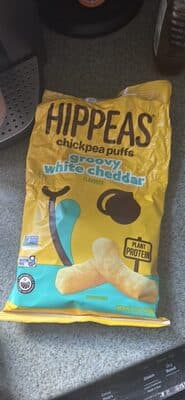
Turmeric extract is widely used in the food industry as a natural alternative to synthetic colorants. Common applications include:
- Processed cheese and cheese products
- Mustards and condiments
- Baked goods and cereals
- Beverages and dairy products
- Spice blends and seasonings
- Sauces and prepared meals
The extract functions simultaneously as a colorant, providing visual appeal, and as a flavoring agent, contributing subtle spice notes characteristic of turmeric. This dual functionality makes it economically attractive for food manufacturers seeking natural ingredient declarations.
Safety Assessment
Turmeric extract has an extensive history of safe use in food and traditional medicine. The compound curcumin, the primary active ingredient, has been extensively studied. According to the FDA, there have been zero adverse events and zero recalls associated with turmeric extract (CAS 84775-52-0) in the United States food supply.
The European Food Safety Authority (EFSA) has also evaluated turmeric-based colorants and considers them safe for food applications at current usage levels. Acute toxicity studies in animals show turmeric extract to have low toxicity, with LD50 values exceeding 5,000 mg/kg in oral studies. Subchronic and chronic studies have similarly shown no significant adverse effects at relevant exposure levels.
Gastrointestinal absorption of curcuminoids from turmeric extract is limited, which reduces systemic exposure. Some studies suggest curcumin may interact with certain medications due to effects on cytochrome P450 enzymes, but these concerns are primarily relevant to concentrated supplement use rather than food additive levels.
Regulatory Status
While turmeric extract is not formally designated as GRAS (Generally Recognized As Safe) by the FDA, this does not indicate a safety concern. Instead, it reflects the regulatory pathway taken by manufacturers. Many natural colorants use food additive petition routes or operate under long-standing use history rather than formal GRAS affirmation. Turmeric extract is permitted as a food colorant in the United States under 21 CFR 73.600 (for oleoresins of turmeric) and related regulations.
In the European Union, turmeric extract is approved as food additive E100 (curcumin) in various food categories. The Joint FAO/WHO Expert Committee on Food Additives (JECFA) has evaluated turmeric colorants and established safety profiles with acceptable daily intake determinations.
Key Studies
Numerous peer-reviewed studies have examined turmeric extract safety and curcumin metabolism. Notable research includes:
- Toxicological studies demonstrating the low toxicity profile of curcuminoids in multiple animal models
- Bioavailability studies showing limited systemic absorption, reducing potential for systemic effects
- Long-term consumption studies in populations with high dietary turmeric intake, showing no adverse health outcomes
- Stability studies confirming turmeric extract's performance as a colorant across various pH and temperature conditions
The weight of scientific evidence supports the safe use of turmeric extract as a food colorant and flavoring agent at levels typically used in food manufacturing.