What is Turmeric?
Turmeric (Curcuma longa L.) is a rhizomatous plant native to South Asia, belonging to the Zingiberaceae family. The additive is derived from the dried and ground rhizome (underground stem) of the plant. The characteristic yellow-orange color comes from curcuminoid compounds, primarily curcumin, which constitute approximately 2-8% of turmeric powder by weight. Turmeric has been used in traditional cuisines and food preparation for thousands of years, particularly in Asian cooking.
Common Uses
In food manufacturing, turmeric serves dual functions as both a colorant and flavoring agent. It is commonly used in:
- Spice blends and curry powders
- Mustard and condiments
- Cheese and dairy products
- Baked goods and cereals
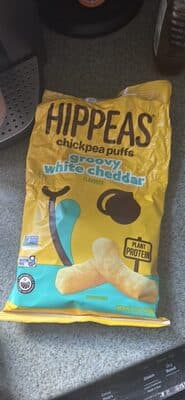
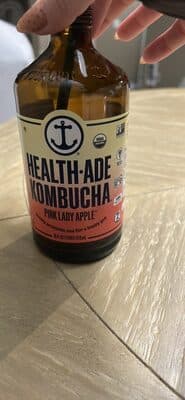
- Beverages and plant-based milk alternatives
- Processed meat products
- Rice and grain products
- Nutritional supplements and fortified foods
The additive provides a natural alternative to synthetic colorants while contributing characteristic warm, slightly bitter flavor notes to food products. Typical usage levels range from 0.1% to 1% depending on the food category and desired color intensity.
Safety Assessment
Turmeric has an extensive history of safe use in food applications. The FDA has designated turmeric as Generally Recognized as Safe (GRAS) under 21 CFR 182.1746, permitting its use as a spice and natural colorant in human food. According to FDA adverse event data, there have been zero reported adverse events associated with turmeric as a food additive, and zero recalls have been issued.
The European Food Safety Authority (EFSA) has also evaluated turmeric and determined it safe for food use at typical consumption levels. Acute toxicity studies in animal models show turmeric to have very low toxicity, with LD50 values exceeding 5,000 mg/kg in rats via oral administration. Chronic toxicity studies at dietary levels up to 5-10% in animal diets showed no significant adverse effects.
Curcumin, the primary bioactive compound in turmeric, has been extensively studied. While research suggests potential health-related properties in high-dose supplemental forms, food-level consumption of turmeric is safe for the general population. Individuals with certain medical conditions or taking specific medications should consult healthcare providers regarding concentrated turmeric supplements, though culinary use presents minimal concern.
Regulatory Status
Turmeric is approved for food use in the United States, European Union, Canada, Australia, and most other major food regulatory jurisdictions. In the U.S., it is permitted as a color additive and spice under FDA regulations. The European Commission lists turmeric as an approved food colorant (E100) under Regulation (EC) No 1333/2008. No restrictions on use levels exist in most jurisdictions for traditional food applications, though maximum levels may apply in some regions for specific food categories.
Turmeric is not subject to certification requirements, unlike synthetic colorants, as it is considered a natural substance and spice rather than a synthetic additive. This classification reflects its long history of use and favorable safety profile.
Key Studies
Numerous scientific studies have evaluated turmeric's safety profile. A 2013 review in Food and Chemical Toxicology examining curcumin's safety concluded that curcumin exhibits low acute toxicity and no significant adverse effects at typical dietary exposure levels. Studies examining 90-day and chronic dietary exposure in rodent models found no observable adverse effect levels (NOAELs) supporting the safety of food-level consumption.
Epidemiological data from populations consuming turmeric regularly as a dietary spice—particularly in South and Southeast Asia—show no increased incidence of adverse health effects attributable to turmeric consumption. Long-term surveillance data support the safety classification maintained by regulatory authorities.