What is Sulfur Dioxide?
Sulfur dioxide (SO₂) is a colorless, pungent gas with the chemical formula SO₂ (CAS Number: 7446-09-5). In food applications, it is typically used in the form of sulfites, bisulfites, or metabisulfites—compounds that release SO₂ when dissolved in food or during processing. These sulfite derivatives are the practical forms used in commercial food production.
Common Uses
Sulfur dioxide serves multiple functions in food manufacturing:
**Wine and Beverages**: SO₂ is extensively used in winemaking as a preservative and antimicrobial agent, preventing unwanted fermentation and oxidation. It is also used in some fruit juices and ciders.
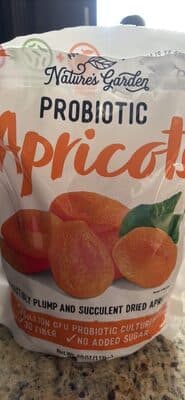
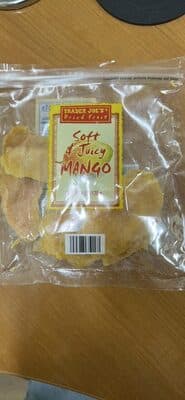
**Dried Fruits**: Applied to dried apricots, raisins, and other dried fruits to maintain color, prevent microbial growth, and extend shelf life.
**Processed Foods**: Used in potato products, molasses, glucose syrup, and some seafood products to prevent browning and microbial contamination.
**Grain and Legume Products**: Added to some grain-based foods and legumes as a preservative.
The antimicrobial properties inhibit bacteria, yeasts, and molds, while antioxidant properties prevent enzymatic and non-enzymatic browning and rancidity.
Safety Assessment
Sulfur dioxide has been used in food preservation for centuries and has an extensive safety history. The FDA has received zero adverse event reports and zero recalls associated with sulfur dioxide in its database, indicating a strong safety record in commercial food use.
For most of the population, sulfur dioxide residues in foods are present at levels considered safe. However, individuals with sulfite sensitivity—estimated at less than 1% of the general population but potentially higher among asthmatics—may experience adverse reactions including respiratory symptoms, gastrointestinal distress, or allergic-type reactions.
The European Food Safety Authority (EFSA) has established acceptable daily intake (ADI) limits and maximum residue levels (MRLs) for sulfites across various food categories. The FDA requires labeling of sulfites in foods when present at levels of 10 mg/kg or higher, allowing sensitive consumers to avoid these products.
Studies have consistently shown that sulfite sensitivities are uncommon in the general population and typically manageable through product labeling and consumer awareness. The preservative benefits in preventing food spoilage and foodborne illness have led to continued regulatory approval across most countries.
Regulatory Status
Sulfur dioxide is not on the FDA's GRAS (Generally Recognized As Safe) list, meaning it requires specific food additive approval rather than blanket GRAS status. However, it is approved as a food additive in the United States under 21 CFR 182.3862 and 182.3637 for specific uses and maximum levels.
The additive is approved in the European Union (E220, E221, E222, E223 for various sulfite forms) and is widely permitted in Canada, Australia, and most developed nations. Regulatory agencies worldwide have determined that approved uses at permitted levels are safe for the general population.
Mandatory labeling requirements exist in most jurisdictions to protect sensitive individuals. Some countries restrict use in certain food categories, and organic food standards typically prohibit or severely limit sulfite use.
Key Studies
Research on sulfite safety has been ongoing since the 1970s. Key findings include:
- Studies establishing that sulfite sensitivity affects a small percentage of the population, primarily those with asthma
- Research confirming sulfites' effectiveness as antimicrobial and antioxidant agents
- Multiple regulatory reviews (FDA, EFSA, WHO) concluding that approved uses and levels are safe for the general population
- Analytical studies demonstrating that proper labeling enables at-risk consumers to avoid exposure
The extensive historical use data combined with modern safety assessments support continued approval for specific applications and maximum residue levels established by regulatory agencies.