What is Spirulina Extract?
Spiralina Extract (CAS Number: 977091-09-0) is a colorant derived from spirulina, a blue-green cyanobacterium (Arthrospira platensis) that grows in alkaline freshwater environments. The extract contains phycocyanin, a natural pigment responsible for the characteristic blue-green coloration. This pigment is isolated and concentrated from spirulina biomass through various extraction and processing methods to create a food-grade colorant suitable for commercial food applications.
Common Uses
Spiralina Extract is primarily used as a natural colorant in the food industry to produce blue and green hues in various products. Common applications include:
- Beverages (smoothies, energy drinks, plant-based milk alternatives)
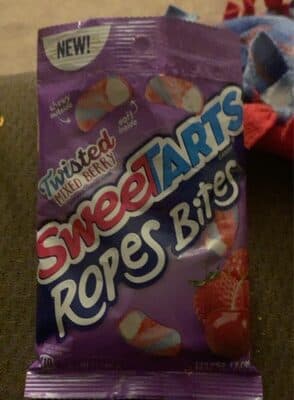
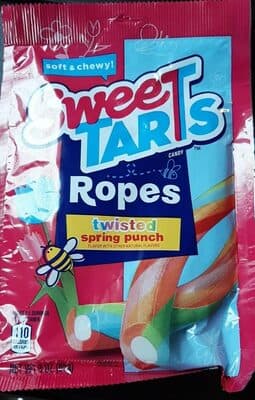
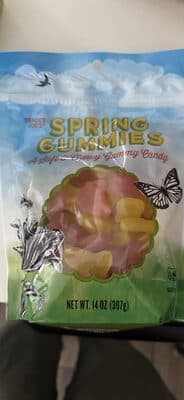
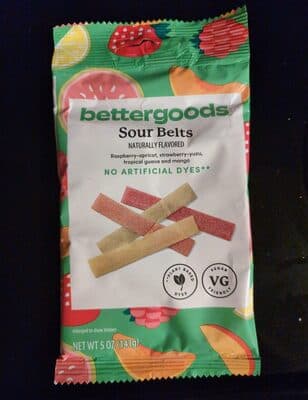
- Confectionery products (candies, gums)
- Dairy products (yogurts, ice creams)
- Baked goods and desserts
- Cosmetic and nutritional supplement formulations
The extract appeals to food manufacturers seeking clean-label alternatives to synthetic colorants like FD&C Blue No. 1 and FD&C Green No. 3, particularly for products marketed toward health-conscious consumers.
Safety Assessment
Spiralina Extract has demonstrated a favorable safety profile based on available data. The FDA has recorded zero adverse events and zero recalls associated with this additive as of current records. The source organism, spirulina, has been consumed for centuries in various cultures and is generally recognized as safe when properly cultivated and processed.
Key safety considerations include:
- Potential contamination with microcystins or other hepatotoxic cyanotoxins if spirulina is cultivated in contaminated water or using inadequate quality controls
- Proper cultivation practices and manufacturing standards are essential to ensure product safety
- Individuals with phenylketonuria (PKU) should consult healthcare providers, as spirulina contains phenylalanine
- The extract's safety profile is enhanced by rigorous testing and quality assurance protocols used by reputable manufacturers
No significant adverse health effects have been documented from approved food uses of spirulina extract as a colorant.
Regulatory Status
Spiralina Extract does not currently hold FDA GRAS (Generally Recognized as Safe) status. However, this does not indicate safety concerns; rather, it reflects the classification pathway and approval status within specific regulatory jurisdictions. The additive may be permitted in certain food applications under specific regulations or may require pre-market approval depending on intended use and the regulatory framework of individual countries.
In the European Union, spirulina-derived colorants have been evaluated by the EFSA (European Food Safety Authority) and may be approved for specific food categories under applicable regulations. Regulatory approvals vary by country and intended food application, requiring manufacturers to comply with local food additive regulations before commercialization.
Manufacturers using this colorant should verify current regulatory status in their target markets and maintain proper documentation of safety testing and quality control.
Key Studies
Research on spirulina and its colorant components has generally supported safety when properly manufactured:
- Studies on phycocyanin, the primary pigment in spirulina extract, have shown no evidence of systemic toxicity at food-relevant concentrations
- Microbial and chemical testing protocols are standard in the industry to ensure the absence of harmful cyanotoxins
- Toxicological assessments have consistently demonstrated the safety of spirulina-derived products meeting quality standards
The absence of FDA adverse event reports and recalls provides additional evidence of safe historical use in food applications. Continued monitoring and adherence to quality manufacturing standards remain important for maintaining product safety.