What is Sodium Metabisulfite?
Sodium metabisulfite (Na₂S₂O₅) is an inorganic chemical compound with CAS number 7681-57-4. It belongs to the sulfite family of food additives and exists as a white crystalline powder. When dissolved in water, it releases sulfurous acid and sulfite ions, which provide its antimicrobial and antioxidant properties. The compound is closely related to other sulfite preservatives including sodium sulfite, potassium bisulfite, and sodium bisulfite.
Common Uses
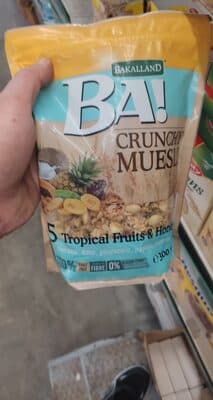
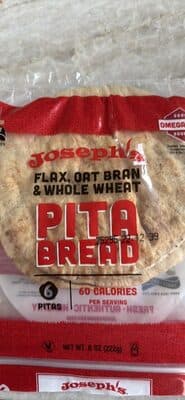
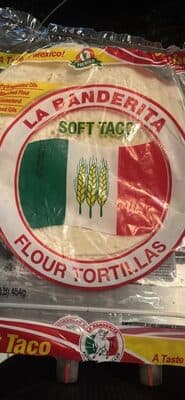
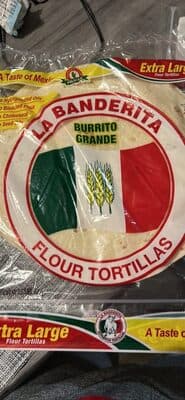
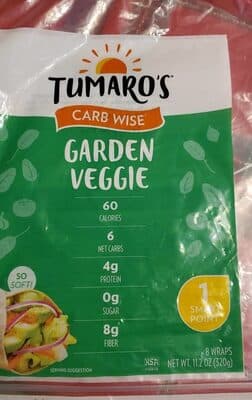
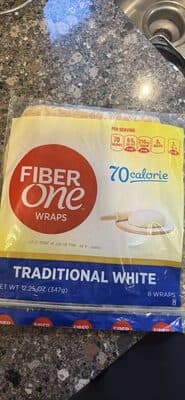
Sodium metabisulfite serves multiple functions in food processing. It is primarily used as a preservative in dried fruits, wines, beers, and fruit juices to inhibit microbial spoilage and prevent oxidative browning. In baking, it functions as a dough strengthener and flour treating agent, improving dough elasticity and handling properties. The additive is also employed in frozen seafood processing as a color preservative to maintain the appearance of shrimp and other shellfish. Additionally, it serves as an oxidizing or reducing agent in various food manufacturing processes and is classified as having direct food contact capability.
Safety Assessment
Sodium metabisulfite has generated minimal adverse event reports in FDA databases, with zero recorded adverse events and zero recalls associated with the additive. However, the compound is not designated as Generally Recognized As Safe (GRAS) by the FDA, meaning it requires food additive petition approval for specific uses rather than being presumed safe through widespread historical use or expert consensus.
The primary safety concern related to sodium metabisulfite involves sulfite sensitivity in susceptible individuals. Approximately 1% of the general population and 3-10% of asthmatic individuals may experience adverse reactions to sulfites, including respiratory symptoms, gastrointestinal distress, or allergic-type reactions. For this reason, regulations in the United States, European Union, and other jurisdictions require clear labeling of sulfite content when present above threshold levels (typically 10 mg/kg or ppm).
The EFSA (European Food Safety Authority) previously evaluated sulfites and established an Acceptable Daily Intake (ADI) of 0.7 mg/kg of body weight. The FDA has similarly established safe use levels based on the quantity needed to achieve the preservation effect, typically ranging from 0.1% to 1% depending on the application.
Animal toxicology studies have not demonstrated significant systemic toxicity at normal food use levels. The sulfite ions released from sodium metabisulfite are metabolized or excreted relatively quickly in the body.
Regulatory Status
Sodium metabisulfite is approved for use in the United States as a food additive under 21 CFR §182.3637 for specific uses including wine production, dried fruits, and other designated applications. It is permitted in the European Union under regulation EC 1333/2008 as food additive E223. The additive is also approved in Canada, Australia, and numerous other countries for similar applications, though specific approved uses vary by jurisdiction.
Mandatory labeling requirements exist in most regulatory jurisdictions. Products containing sulfites must declare their presence, typically as "sulfites" or by specific chemical names, to protect sensitive consumers.
Key Studies
Research on sulfites has primarily focused on their effectiveness as preservatives and their potential to cause adverse reactions in sensitive individuals. Studies confirm sodium metabisulfite's efficacy in inhibiting common food spoilage organisms including Acetobacter and various mold species. Human challenge studies have established dose-response relationships for sulfite-sensitive individuals, informing regulatory thresholds. Metabolism studies indicate sulfites are converted to sulfate or are excreted in urine, with no significant bioaccumulation.