What is Sodium Hydroxide?
Sodium hydroxide (NaOH), also known as caustic soda or lye, is a highly alkaline inorganic compound with CAS number 1310-73-2. In food processing, it is used in carefully controlled amounts to modify food properties and facilitate manufacturing processes. Despite its strong chemical nature, when used properly under FDA guidelines, residual levels in finished food products are minimal and considered safe for consumption.
Common Uses
Sodium hydroxide serves multiple functions in food manufacturing:
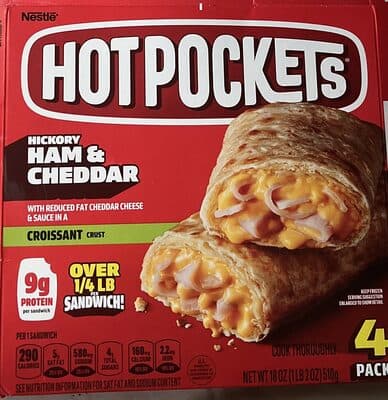
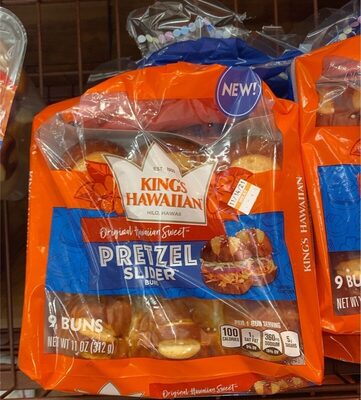
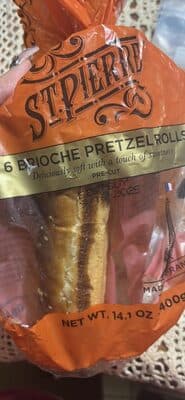
**Dough and Flour Processing**: It strengthens dough by cross-linking gluten proteins, improving elasticity and gas retention in baked goods. It is also used as a flour treating agent to enhance baking performance.
**Vegetable Processing**: The compound is used to remove skins from vegetables like olives, potatoes, and nuts through a process called lye peeling. This application significantly reduces processing time and waste.
**pH Control**: It neutralizes acids and adjusts pH levels in various food products, including cocoa processing, where it improves color and flavor development.
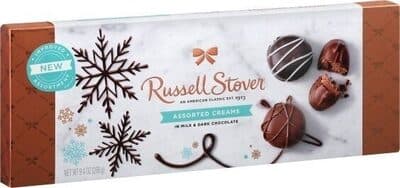
**Flavor Enhancement**: In cocoa and chocolate processing, sodium hydroxide treatment (known as alkalization) develops deeper color and enhances flavor compounds.
**Other Applications**: It functions as a washing agent for food contact surfaces and equipment, helping remove residues and maintain sanitary conditions.
Safety Assessment
Sodium hydroxide is recognized as Generally Recognized As Safe (GRAS) by the FDA when used as a food additive. The safety profile is strong: the FDA has recorded zero adverse events and zero recalls associated with sodium hydroxide use in food.
The safety of sodium hydroxide in food depends on two critical factors:
**Residual Levels**: Food regulations strictly limit residual sodium hydroxide in finished products. During proper processing, the compound either reacts with food components or is thoroughly washed away. Final food products contain only trace amounts.
**Manufacturing Controls**: Industry standards and FDA regulations require strict process controls to ensure excess sodium hydroxide is neutralized or removed before products reach consumers.
While sodium hydroxide is caustic and dangerous in concentrated form, the amounts present in finished foods after proper processing are not associated with health risks. The gastrointestinal tract's natural buffering systems easily neutralize trace residues.
Regulatory Status
Sodium hydroxide is approved by the FDA as a food additive and holds GRAS status. It is listed in 21 CFR 182.1721 for use as a pH control agent and processing aid in food manufacturing.
The European Food Safety Authority (EFSA) also permits sodium hydroxide for food processing purposes under Regulation (EC) No 1333/2008, recognizing its safe use when applied according to established practices.
International food standards, including those established by the Codex Alimentarius Commission, permit sodium hydroxide in food processing with specific limitations on residual levels in finished products.
Key Studies
The safety of alkalized cocoa and processed foods containing trace sodium hydroxide has been evaluated extensively. Scientific literature supports the safety of properly processed foods treated with this compound during manufacturing.
Toxicological studies demonstrate that the concern is not residual sodium hydroxide in food, but rather direct exposure to concentrated solutions. Regulatory oversight ensures finished food products maintain safety standards.
No significant adverse health outcomes have been documented from consuming properly processed foods that may contain trace residues of sodium hydroxide used in manufacturing.