What is Sodium Erythorbate?
Sodium erythorbate (CAS Number: 6381-77-7) is the sodium salt of erythorbic acid, a synthetic compound structurally similar to ascorbic acid (vitamin C). It functions as an antioxidant and reducing agent in food products, helping prevent the oxidation and degradation of colors, flavors, and nutritional components. Unlike ascorbic acid, erythorbic acid has no significant vitamin C activity in the human body. The compound appears as a white to off-white crystalline powder and is highly soluble in water.
Common Uses
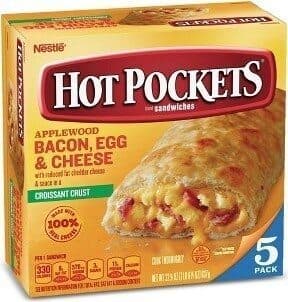
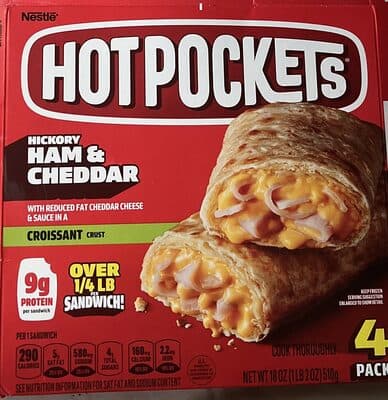
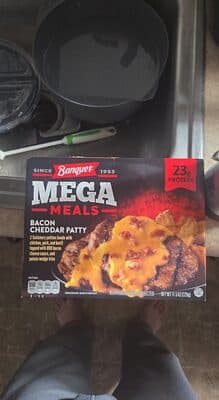
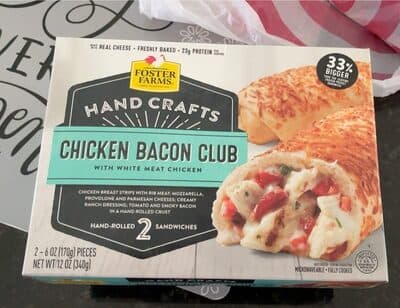
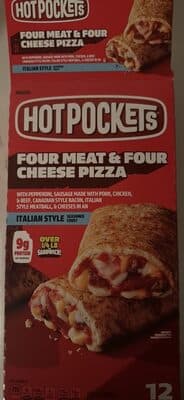
Sodium erythorbate is widely used in processed meat products, particularly cured and processed meats like ham, bacon, and hot dogs, where it helps stabilize the pink or red color derived from curing salts. It is also employed in:
- Processed poultry and seafood products
- Beverages and juice products
- Oils and fats
- Dairy products
- Canned vegetables
- Condiments and sauces
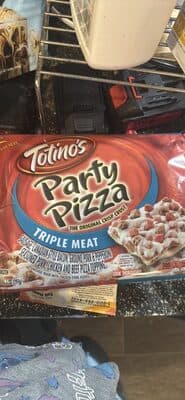
In these applications, it functions as a preservative by slowing oxidative spoilage and helping maintain product appearance, flavor, and shelf life. Its role as a dough strengthener and flour treating agent reflects its use in bakery products, where it can improve dough characteristics and product quality.
Safety Assessment
Sodium erythorbate has been extensively studied for safety. The FDA has determined it to be Generally Recognized as Safe (GRAS), meaning it can be added to foods without pre-approval when used in accordance with good manufacturing practices. According to FDA records, there have been zero reported adverse events associated with sodium erythorbate and zero recalls attributed to its use in food products.
Toxicological studies conducted on erythorbic acid and its sodium salt have found no significant adverse effects at normal dietary exposure levels. The compound is poorly absorbed in the gastrointestinal tract and is excreted largely unchanged in urine. Animal studies have not identified carcinogenic, mutagenic, or reproductive hazards.
The European Food Safety Authority (EFSA) has also evaluated sodium erythorbate and approved it for use in the European Union under specified conditions and maximum levels. The acceptable daily intake (ADI) has not been restricted, indicating a wide margin of safety at typical dietary exposure levels.
Regulatory Status
In the United States, sodium erythorbate is approved as a food additive under 21 CFR 182.3731 for use as an antioxidant in certain foods. It is regulated by the FDA as a GRAS substance when used in accordance with prescribed specifications.
Internationally, sodium erythorbate is permitted in many countries including Canada, Australia, Japan, and throughout the European Union under their respective food additive regulations. Different jurisdictions may specify different maximum permitted levels based on food category and application.
The additive must meet identity and purity specifications outlined in food chemical codices, including the Food Chemicals Codex and the Joint FAO/WHO Expert Committee on Food Additives (JECFA) specifications.
Key Studies
Toxicological evaluation by JECFA concluded that erythorbic acid and its salts are safe for use in food at the concentrations employed. Studies examining the metabolic fate of erythorbate show it undergoes minimal metabolism in humans, with most of the compound being excreted unchanged, reducing the potential for systemic toxicity.
Research on oxidative stability in food products confirms that sodium erythorbate effectively prevents color fading and oxidative spoilage in cured meat products when used at typical levels (75-500 mg/kg depending on application). Long-term dietary exposure studies in animal models have not revealed concerning safety signals at multiples of expected human intake levels.
The safety profile of sodium erythorbate remains consistent with its classification as a GRAS substance by the FDA and approved additive status internationally.