What is Riboflavin?
Riboflavin, also known as vitamin B2, is a water-soluble vitamin with the chemical formula C17H20N4O6. Identified by CAS Number 83-88-5, riboflavin naturally occurs in many foods including eggs, almonds, mushrooms, and leafy greens. In food manufacturing, riboflavin is synthesized through bacterial fermentation or chemical synthesis to serve multiple functional purposes in processed foods.
Common Uses
Riboflavin is widely used in the food industry across several categories:
**Nutritional Fortification**: Riboflavin is added to cereals, flour, bread, pasta, and grain products to meet or exceed recommended daily values for vitamin B2. This practice helps address nutritional deficiencies in populations where natural dietary sources may be insufficient.
**Coloring Agent**: Due to its bright yellow-orange pigmentation, riboflavin serves as a food colorant in beverages, dairy products, and various processed foods. It provides a natural-appearing color without the synthetic alternatives some consumers wish to avoid.
**Flavor Adjunct**: Riboflavin contributes subtle flavor characteristics in certain formulations, though this is a secondary function compared to its nutritional and coloring properties.
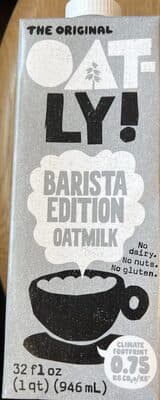
Common food categories containing riboflavin include breakfast cereals, enriched grain products, plant-based milk alternatives, energy bars, and some beverage products.
Safety Assessment
Riboflavin has an extensive safety record in food applications. The FDA has designated riboflavin as Generally Recognized As Safe (GRAS), meaning it is considered safe for use in food based on a long history of safe consumption and scientific evidence.
Key safety characteristics include:
**Low Toxicity**: Riboflavin is water-soluble, meaning excess amounts are not stored in body tissues but are excreted through urine. This significantly limits potential for accumulation-related toxicity.
**FDA Database**: The FDA Adverse Event Reporting System (FAERS) contains zero adverse events specifically attributed to riboflavin as a food additive. Additionally, there are no FDA-recorded recalls associated with riboflavin use in foods.
**Tolerable Intake Levels**: No upper limit for tolerable intake has been established for riboflavin, as adverse effects from supplementation have not been documented at practical consumption levels.
**Allergenic Potential**: True IgE-mediated allergic reactions to riboflavin are extremely rare in the scientific literature.
Regulatory Status
Riboflavin maintains approval across major global food safety regulatory bodies:
**United States**: FDA GRAS status permits riboflavin use as a food additive under 21 CFR §182.3930 (as a nutrient supplement) and other regulatory provisions for coloring and flavoring uses.
**European Union**: Riboflavin is approved as food additive E101 and E101a (riboflavin and riboflavin 5'-phosphate sodium) under EU Regulation 1333/2008.
**International**: Codex Alimentarius, the international food standards body, includes riboflavin among approved food additives.
Regulatory maximum levels vary by food category and jurisdiction but generally permit its use where technologically necessary to achieve intended functions.
Key Studies
Scientific literature supports riboflavin's safety profile:
**Bioavailability Research**: Studies demonstrate that synthetic riboflavin has bioavailability comparable to naturally-occurring riboflavin, supporting its use in fortification programs.
**Long-term Safety Data**: Decades of use in fortified grain products in North America and Europe have not raised safety concerns in epidemiological data.
**Intake Assessments**: Dietary exposure analyses from regulatory agencies confirm that typical food consumption patterns result in riboflavin intakes well within established safety margins.
Riboflavin exemplifies an additive with dual benefits: providing essential micronutrient supplementation while serving functional roles in food formulation.