What is Paprika Oleoresin?
Paprika Oleoresin (CAS Number 68917-78-2) is a concentrated extract obtained from the dried fruit of Capsicum annuum L., commonly known as red peppers or paprika peppers. The oleoresin is produced through solvent extraction methods, resulting in a lipid-soluble preparation that contains the pigments and flavor compounds naturally present in paprika. The primary coloring compounds are carotenoids, including capsanthin and capsorubin, which impart the characteristic red-orange hue.
Common Uses
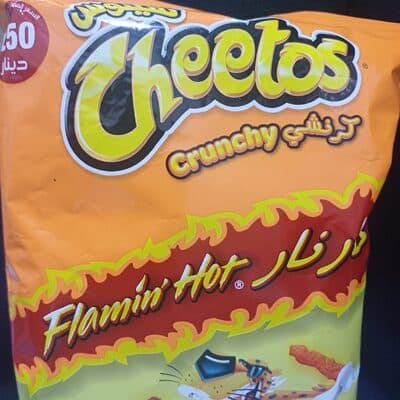
Paprika Oleoresin is widely used in the food industry as both a colorant and flavoring agent. Common applications include seasonings, spice blends, processed meats (sausages, ham, bacon), cheese products, snack foods, sauces, and prepared dishes. It serves as a natural alternative to synthetic colorants in products seeking clean-label credentials. The additive provides not only color but also contributes subtle pepper flavor notes to finished products. It is particularly popular in European and Latin American cuisines where paprika is a traditional ingredient.
Safety Assessment
Paprika Oleoresin has a strong safety profile based on available evidence. The additive originates from a food source (red peppers) that has been safely consumed for centuries in culinary applications worldwide. According to FDA records, there have been zero adverse events and zero recalls associated with Paprika Oleoresin, indicating no documented safety concerns in the U.S. food supply.
The European Food Safety Authority (EFSA) has evaluated paprika-derived colorants and found them acceptable for use in food. Toxicological studies on carotenoids from paprika demonstrate low toxicity and good safety margins. The compound is not mutagenic or carcinogenic in available studies. Allergic reactions are rare but theoretically possible in individuals with sensitivity to Capsicum species, though cross-reactivity is uncommon.
No established daily intake limits exist for Paprika Oleoresin, reflecting confidence in its safety profile. The additive is generally recognized as safe when used in typical food applications at levels that achieve the desired coloring effect.
Regulatory Status
Paprika Oleoresin is not listed on the FDA's GRAS (Generally Recognized As Safe) list, which does not indicate any safety concern but rather reflects that formal GRAS documentation may not have been submitted to the agency. However, it is permitted for use in food under FDA regulations as a colorant in various product categories including seasonings, spices, and certain processed foods.
In the European Union, paprika extract and paprika oleoresin are approved as food colorants under Regulation (EC) No 1333/2008, classified as E160c (paprika extract). Canada permits its use in food products under their Food and Drugs Act. Most major food-producing nations permit Paprika Oleoresin in food applications.
Key Studies
Research on Capsicum carotenoids, the active coloring components in Paprika Oleoresin, shows these compounds have antioxidant properties and are well-tolerated by humans. Studies examining paprika consumption in traditional diets found no adverse health effects. Bioavailability studies indicate that carotenoids from paprika are absorbed and metabolized similarly to carotenoids from whole peppers. Stability studies confirm that Paprika Oleoresin maintains coloring properties through standard food processing conditions including heat, pH variation, and light exposure, making it practical for industrial applications.
No human toxicity studies specific to Paprika Oleoresin demonstrate adverse effects at food-use levels. Animal feeding studies with paprika extracts support safety margins well above anticipated human exposure.