What is FD&C Yellow No. 5, Aluminum Lake?
FD&C Yellow No. 5, Aluminum Lake (CAS Number 12225-21-7) is a synthetic organic colorant belonging to the class of certified color additives. It is produced by adsorbing FD&C Yellow No. 5 (tartrazine) onto an aluminum hydroxide substrate, creating an insoluble lake form. The lake formulation increases the stability and dispersibility of the dye in food applications where water solubility is a concern. This additive is approved for use in cosmetics, drugs, and foods under FDA regulations.
Common Uses
Aluminum lakes of synthetic dyes, including FD&C Yellow No. 5, are used in a variety of food products to achieve yellow or golden coloring. Common applications include:
- Beverages and drink mixes
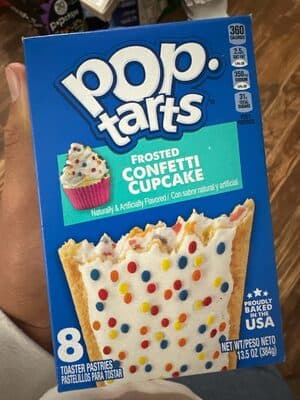
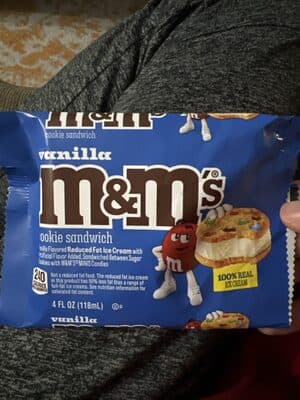
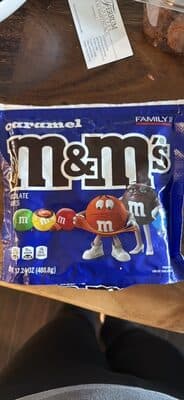
- Candy and confectionery products
- Baked goods and cake mixes
- Gelatin desserts
- Dry goods and powdered products
- Cosmetic and pharmaceutical formulations
The lake form is particularly useful in products with limited water content or where oil-based coloring is preferred. The aluminum substrate helps stabilize the dye and prevent migration or bleeding of color in the product matrix.
Safety Assessment
FD&C Yellow No. 5, Aluminum Lake has been the subject of numerous safety evaluations by regulatory agencies worldwide. The FDA has not classified this additive as Generally Recognized as Safe (GRAS), but it remains approved as a certified color additive subject to specific regulatory conditions and use limitations.
According to FDA records, there have been zero reported adverse events associated with this additive and zero recalls attributed to it. This safety record is consistent with decades of use in the food supply.
Tartrazine (FD&C Yellow No. 5), the parent dye, has been studied extensively. Some individuals report sensitivity or allergic reactions to tartrazine, though the incidence is considered rare in the general population. The FDA requires labeling of tartrazine in products in certain countries due to these potential sensitivities. However, the lake form may present different bioavailability compared to the soluble dye, as the aluminum substrate can reduce absorption.
The European Food Safety Authority (EFSA) has also evaluated the safety of tartrazine and related colorants. Acceptable Daily Intake (ADI) values have been established based on animal toxicology studies and human consumption data.
Regulatory Status
In the United States, FD&C Yellow No. 5, Aluminum Lake is a certified color additive approved by the FDA under 21 CFR 82.101 and other applicable regulations. It is subject to:
- Specific permitted uses in food categories
- Maximum usage levels as defined in FDA regulations
- Identity and specification requirements established in the Code of Federal Regulations
- Requirements for batch certification or self-certification depending on application
The European Union permits tartrazine (E110) and aluminum lakes of certain colorants with defined specifications. Labeling requirements may apply in various jurisdictions to alert consumers to the presence of this colorant.
Key Studies
Tartrazine has been the subject of long-term toxicological studies, including:
- Animal feeding studies examining chronic toxicity, genotoxicity, and reproductive effects
- Absorption and metabolism studies in laboratory animals
- Clinical studies evaluating potential allergenic responses in sensitive populations
- Safety assessments conducted by the FDA's Color Additives Scientific Committee
Studies on the aluminum lake form specifically are limited compared to the soluble dye, but the regulatory pathway assumes the lake form presents comparable or reduced risk due to lower bioavailability of the aluminum substrate. The additive's decades-long history of use provides additional real-world safety data.