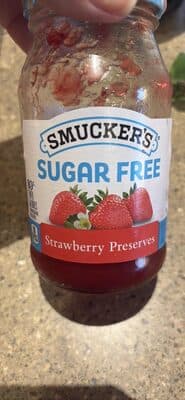
What is FD&C Red No. 40, Calcium Lake?
FD&C Red No. 40, Calcium Lake (CAS Number: 977011-17-8) is a colorant derived from FD&C Red No. 40 (Allura Red AC), one of the most widely used synthetic food dyes globally. The "calcium lake" designation refers to the aluminum-free, calcium-based form of the dye. This form is created by binding the dye molecule to calcium salts, which produces an insoluble pigment suitable for specific food applications, particularly dry mixes and products where water solubility is undesirable.
The compound is classified as an azo dye, meaning it contains nitrogen-based double bonds (azo groups) in its molecular structure. The lake form allows for more stable color distribution in certain food matrices compared to the free dye form.
Common Uses
FD&C Red No. 40, Calcium Lake is used in a variety of food products to impart red, pink, or burgundy coloration. Common applications include:
- Dry beverage mixes and powdered drinks
- Baked goods and cake mixes
- Candy and confectionery products
- Gelatin desserts and puddings
- Breakfast cereals
- Processed snack foods
- Some pharmaceutical products (capsules and tablets)
The calcium lake form is particularly preferred in formulations where moisture content is low or where rapid color dissolution is not needed, as it provides better stability and color distribution in dry ingredients.
Safety Assessment
FD&C Red No. 40 (the parent compound) is approved for use in food by the U.S. FDA and is recognized as safe when used in accordance with FDA regulations. The FDA has not received any adverse event reports specifically linked to FD&C Red No. 40, Calcium Lake, and no product recalls have been issued related to this additive.
The calcium lake formulation does not present additional safety concerns beyond those considered for the free dye form. The FDA's approval of FD&C Red No. 40 is based on extensive toxicological studies, including:
- Acute toxicity studies
- Chronic feeding studies in animals
- Genotoxicity assessments
- Reproductive and developmental toxicity evaluations
These studies established an acceptable daily intake (ADI) for the dye. The European Food Safety Authority (EFSA) also recognizes FD&C Red No. 40 (E129 in Europe, where it is permitted in many food categories) as safe at approved usage levels.
Some individuals may experience sensitivity to azo dyes, though such reactions are considered rare. The FDA does not require specific labeling of FD&C Red No. 40 for the general population in the United States, though it is labeled in products.
Regulatory Status
FD&C Red No. 40, Calcium Lake is approved for use in food by the FDA. It is classified as a color additive and is subject to the regulations outlined in Title 21, Code of Federal Regulations (CFR). The FDA maintains strict specifications for its purity, identity, and permissible usage levels.
In the European Union, the equivalent dye (E129 or Allura Red AC) is approved but with specific restrictions on which food categories it may be used in, and products containing it must carry labeling indicating the presence of artificial colorants.
The additive has been evaluated by regulatory bodies in Canada, Australia, Japan, and other countries, where it is also approved for food use, subject to specific regulations in each jurisdiction.
Key Studies
The safety profile of FD&C Red No. 40 has been established through decades of research. Notable regulatory reviews include the FDA's Color Additives Status List and periodic reevaluations by the EFSA. Most recent comprehensive safety assessments have not identified new safety concerns at approved usage levels.
Research into azo dyes generally has examined potential metabolic pathways, with studies indicating that ingested azo dyes are metabolized and excreted, with minimal systemic absorption. Ongoing monitoring through post-market surveillance systems continues to track any emerging safety information.