What is FD&C Blue No. 1, Aluminum Lake?
FD&C Blue No. 1, Aluminum Lake (CAS Number 68921-42-6) is a synthetic colorant created by combining FD&C Blue No. 1 (also known as Brilliant Blue) with aluminum hydroxide. The "lake" formulation means the dye molecules are bonded to an insoluble aluminum substrate, creating a pigment rather than a soluble dye. This modification alters the additive's properties compared to its soluble counterpart, making it suitable for applications where water solubility is problematic or where stability is required.
Common Uses
FD&C Blue No. 1, Aluminum Lake is widely used in the food industry as a colorant and coloring adjunct. Common applications include:
- Confectionery and candies
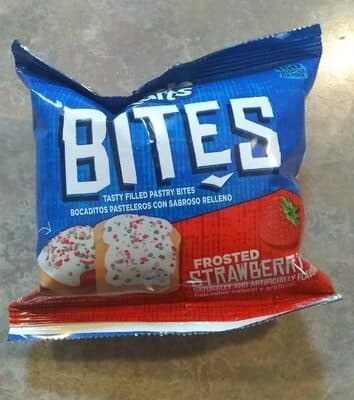
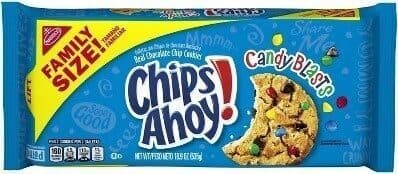
- Baked goods and icings
- Beverages and drink mixes
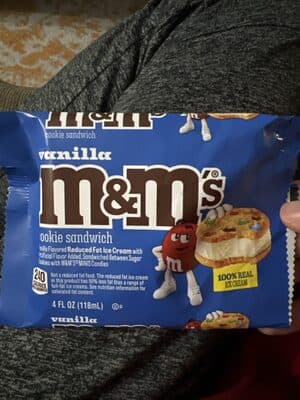
- Dairy products including yogurt and ice cream
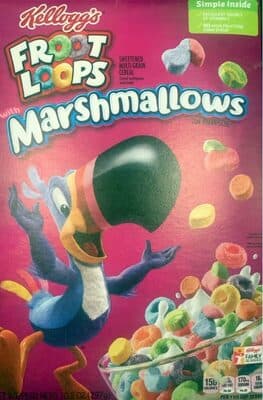
- Cereals and breakfast foods
- Decorative coatings and glazes
- Pet foods
The lake formulation is particularly preferred in applications where oil-based or lipophilic environments are involved, as it disperses better in fats and oils compared to water-soluble dyes. It is also used to provide more stable color in products with longer shelf lives.
Safety Assessment
FD&C Blue No. 1, Aluminum Lake has been evaluated for safety by the FDA and is permitted for use in food products in the United States. According to FDA records, there have been zero reported adverse events associated with this specific additive and zero recalls linked to its use. The FDA maintains this database as part of its adverse event reporting system (CAERS), which tracks consumer complaints and health issues related to food additives.
The safety of FD&C Blue No. 1 (the parent dye) has been extensively studied. Research indicates that the body does not significantly absorb the intact dye molecule, and what is absorbed is typically excreted. Toxicological studies conducted in the 20th century established acceptable daily intake levels, which inform current regulatory limits.
The aluminum component in the lake formulation raises occasional consumer questions. However, the amount of aluminum exposure from food colorants is minimal compared to other dietary sources, and regulatory agencies have determined that this form of aluminum does not present a safety concern at approved usage levels.
Regulatory Status
FD&C Blue No. 1, Aluminum Lake is recognized as a Color Additive by the FDA and is listed as permitted for use in food under 21 CFR § 73.1085. It is not classified as Generally Recognized as Safe (GRAS) but rather approved through the FDA's Color Additive Petition process, which requires specific safety data and manufacturing specifications.
The additive is regulated in other jurisdictions as well. The European Food Safety Authority permits similar colorants, and comparable regulations exist in Canada, Australia, and other countries, though specific approvals may vary by jurisdiction.
Key Studies
Historical safety evaluations of FD&C Blue No. 1 date back to studies conducted in the 1970s-1990s, which assessed acute and chronic toxicity, genotoxicity, and carcinogenic potential. These studies demonstrated no significant safety concerns at levels of use in food.
More recent research has focused on potential allergic responses and sensitivities in susceptible populations. Some individuals, particularly those sensitive to synthetic colorants, report subjective reactions; however, controlled clinical studies have not consistently demonstrated a causal link between FD&C Blue No. 1 and behavioral or health effects in the general population.
The lake formulation itself has been assessed for stability and bioavailability, confirming that the aluminum substrate prevents absorption of the dye complex in the gastrointestinal tract.