What is Calcium Disodium EDTA?
Calcium disodium EDTA (ethylenediaminetetraacetic acid) is a synthetic chelating compound with the CAS number 62-33-9. It belongs to a class of food additives called sequestrants, which work by binding to metal ions such as copper, iron, and zinc that may be present in food products. The additive exists as a white crystalline powder and is soluble in water. It is chemically distinct from sodium EDTA and other EDTA variants, with the calcium disodium form being specifically formulated for food applications.
Common Uses
Calcium disodium EDTA is used in a variety of food products to prevent quality deterioration. Its primary applications include:
- **Canned and bottled vegetables**: Prevents discoloration caused by trace metals
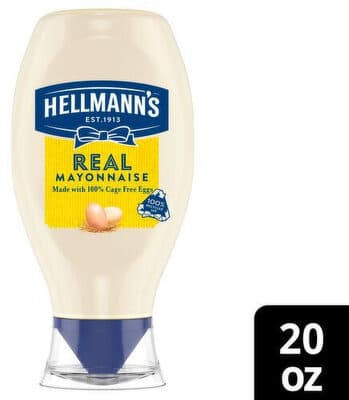
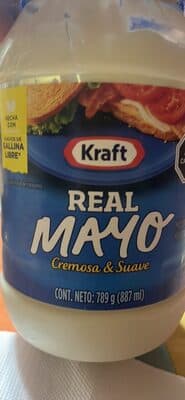
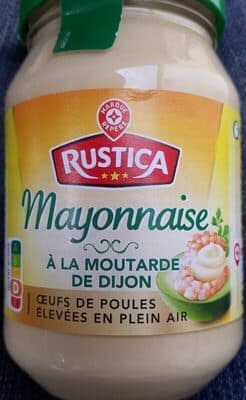
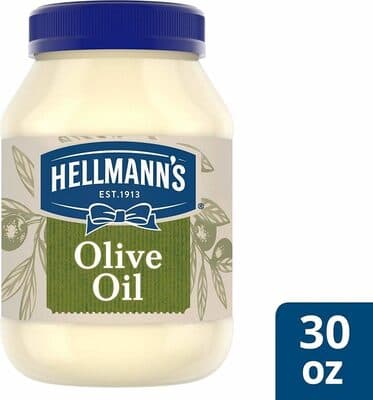
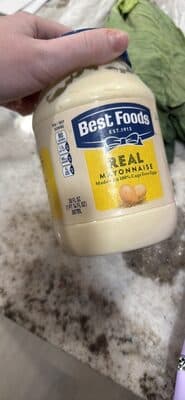
- **Salad dressings and mayonnaise**: Maintains emulsion stability and prevents rancidity
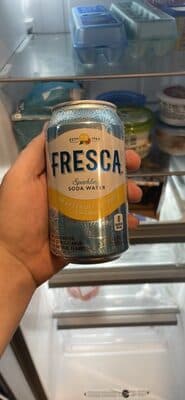
- **Beverages**: Used in soft drinks, beer, and wine to prevent cloudiness and oxidation
- **Seafood products**: Helps maintain color and prevents melanosis (black spot formation)
- **Canned beans and legumes**: Preserves texture and color during storage
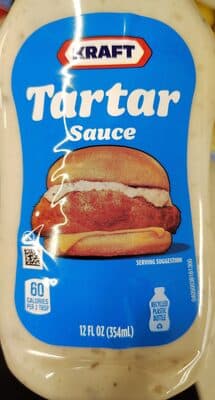
- **Sandwich spreads and condiments**: Extends shelf life and maintains quality
The additive works by chelating (binding to) unwanted trace metals that could otherwise catalyze oxidation reactions, which degrade color, flavor, and nutritional content. This indirect preservation mechanism makes it valuable for maintaining visual appeal and sensory quality without directly acting as a preservative against microbial growth.
Safety Assessment
Calcium disodium EDTA has been designated as Generally Recognized as Safe (GRAS) by the FDA, meaning it is recognized by qualified experts as safe for its intended use in food. The FDA has recorded zero adverse events and zero recalls associated with this additive, indicating a strong safety record in commercial food applications.
The chelating properties of calcium disodium EDTA are central to its safety profile. Unlike sodium EDTA, the calcium disodium form is formulated to minimize absorption of the chelator itself while maximizing its ability to bind unwanted metal ions. When ingested, the additive chelates metals in the gastrointestinal tract and is largely excreted without significant systemic absorption.
Toxicological studies have not identified significant concerns at levels used in food. The additive is not classified as a carcinogen, mutagen, or reproductive toxicant by major regulatory agencies. Individual sensitivities to EDTA compounds are rare but theoretically possible, particularly in individuals with certain medical conditions that affect mineral metabolism.
Regulatory Status
Calcium disodium EDTA is approved for use in the United States under 21 CFR 182.3123 (GRAS for general use) and 21 CFR 182.3725 (with specific use limitations in certain products). The FDA permits use at levels generally not exceeding 220 mg/kg (220 ppm) in various food categories, though limits vary by product type.
The European Food Safety Authority (EFSA) and regulatory bodies in other countries including Canada, Australia, and Japan similarly approve calcium disodium EDTA as a food additive. International Codex Alimentarius standards also recognize it as an approved food additive.
The additive is labeled as E385 in the European Union classification system and must be declared on ingredient labels in all jurisdictions where it is permitted.
Key Studies
Scientific literature supports the safety of calcium disodium EDTA at approved food levels. Research has demonstrated that the compound effectively prevents metal-catalyzed oxidation in model food systems and extends shelf life in practical applications. Absorption studies indicate that the vast majority of ingested calcium disodium EDTA is not absorbed systemically and is excreted unchanged in feces.
Long-term feeding studies in animals at levels significantly exceeding those used in food have not produced adverse effects, providing a substantial margin of safety. The additive's 70+ year history of use in food products worldwide has generated an extensive safety database supporting its continued approval.