What is Cochineal Extract?
Cochineal extract, also known as carmine or carminic acid, is a naturally derived colorant obtained from the dried bodies of female cochineal insects (Coccus cacti L.), which are parasitic scale insects found on cacti native to Mexico and Central America. The insects are harvested, dried, and processed to extract carminic acid, the primary coloring compound. This traditional colorant has been used for over 500 years, dating back to Aztec civilizations. The extract produces vibrant red, pink, magenta, and purple shades depending on pH levels and formulation, making it valuable for achieving natural-looking colors in food products.
Common Uses
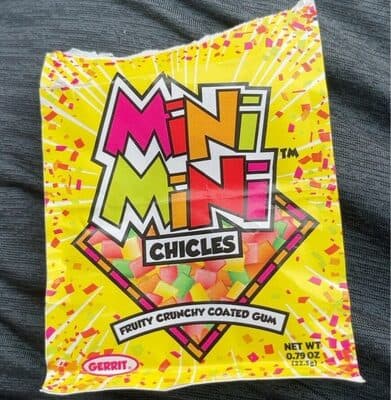
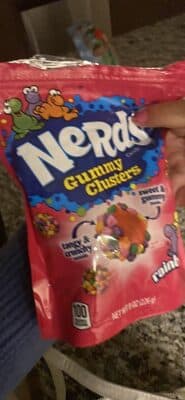
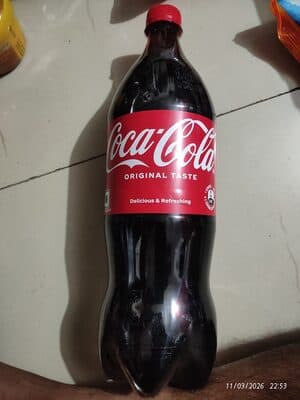
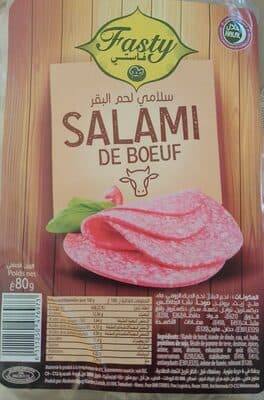
Cochineal extract is used in a variety of food and beverage applications, including dairy products (yogurts, ice creams, cheeses), beverages (juices, alcoholic drinks, soft drinks), confectionery (candies, chewing gum), processed meats, seafood products, and cosmetics. It is also found in some pharmaceutical colorings and art supplies. The extract is preferred by manufacturers seeking natural or clean-label alternatives to synthetic red dyes like FD&C Red No. 40. Typical usage levels range from 0.5 to 4% by weight, depending on the desired color intensity and product type.
Safety Assessment
Cochineal extract has a long history of use and is generally recognized as safe by regulatory agencies. The FDA has not documented any adverse events or food recalls associated with this additive. However, certain populations should be aware of potential sensitivities. Documented allergic reactions to cochineal colorants are rare but documented in the scientific literature, with some individuals reporting IgE-mediated hypersensitivity reactions. Cross-reactivity with other insects and shellfish allergens has been noted in case studies, though the clinical significance remains limited. The European Food Safety Authority (EFSA) approved cochineal extract (E120) as a food colorant and maintains it on the approved additives list with no specified restrictions. Carcinogenicity and mutagenicity studies have not identified concern. The acceptable daily intake (ADI) has not been formally established by EFSA or FDA, as toxicological data suggests a wide margin of safety at typical consumption levels.
Regulatory Status
In the United States, cochineal extract is not classified as Generally Recognized As Safe (GRAS) by the FDA; however, it is approved for use in specific food categories under 21 CFR §73.100. It is permitted in foods at levels determined by current good manufacturing practice. In the European Union, it is approved as food additive E120 with no maximum level specified. Canada also permits its use in various food categories. Labeling requirements vary by jurisdiction; in the EU, it must be clearly labeled as it is a known allergen. Many countries require disclosure on ingredient lists due to potential allergenicity concerns, even though adverse event frequency is very low.
Key Studies
Toxicological studies on cochineal extract have demonstrated low acute oral toxicity in animal models. Subchronic studies in rats showed no significant adverse effects at high doses. A 2014 systematic review in Regulatory Toxicology and Pharmacology found no credible evidence linking cochineal colorants to adverse health outcomes in the general population. However, case reports published in allergy journals document IgE-mediated reactions in sensitized individuals. A 2018 study in the Journal of Allergy and Clinical Immunology confirmed potential cross-reactivity with other arthropod allergens. The scientific consensus supports the safety of cochineal extract for the general population while recognizing that individuals with documented insect allergies or sensitivities should exercise caution and read labels carefully.