What is Calcium Caseinate?
Calcium caseinate (CAS Number 9005-43-0) is a food ingredient derived from milk protein. It is produced by treating casein—the primary protein found in milk—with calcium compounds to create a soluble calcium salt of casein. The resulting ingredient is typically a white to off-white powder or granule with mild dairy flavor characteristics. Unlike whole milk protein, calcium caseinate is processed to be more functionally versatile in food formulations.
Calcium caseinate differs from other milk proteins like whey protein isolate in its solubility properties and functional behavior in various pH and temperature conditions. This makes it particularly valuable for specific manufacturing applications where stability and texture are critical.
Common Uses
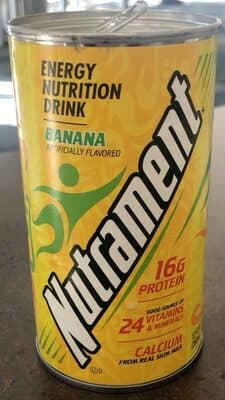
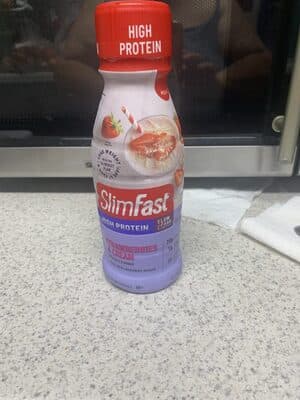
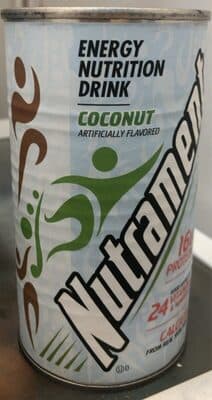
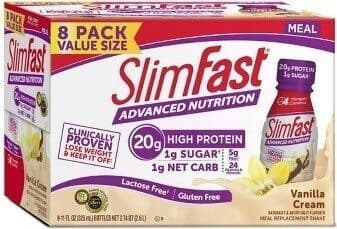
Calcium caseinate serves multiple functions in food manufacturing. It is commonly used as a stabilizer and thickener in beverages, including sports drinks, nutritional supplements, and coffee creamers, where it prevents separation and maintains consistent texture. The ingredient functions as a texturizer in processed meat products, helping achieve desired firmness and binding properties.
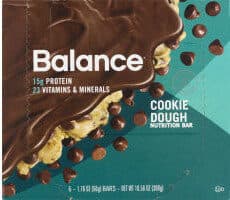
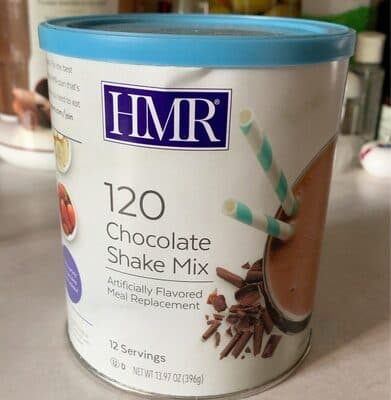
In nutritional and fortified food products, calcium caseinate serves dual purposes: it adds protein content while simultaneously providing bioavailable calcium. This makes it particularly common in protein bars, meal replacement shakes, and nutritional beverages marketed for muscle recovery or bone health.
The ingredient also functions as a formulation aid in various processed foods, helping manufacturers achieve target consistency, mouthfeel, and shelf stability. It is used in confectionery products, dairy-based desserts, and some baked goods.
Safety Assessment
Calcium caseinate has been designated as GRAS (Generally Recognized As Safe) by the FDA, meaning it has been determined safe for its intended uses in food based on extensive scientific evaluation and a long history of safe use.
According to FDA records, there are zero reported adverse events associated with calcium caseinate, and no food recalls have been linked to this ingredient. This safety profile reflects decades of use in food manufacturing without documented safety concerns.
For individuals with milk allergies or lactose intolerance, important distinctions apply. Calcium caseinate is derived from milk protein and contains negligible lactose (typically less than 0.1%), making it potentially suitable for some lactose-intolerant individuals but unsuitable for those with milk protein allergies, who must avoid all milk-derived proteins including casein.
Regulatory Status
Calcium caseinate is approved for use in food in the United States under FDA regulations (21 CFR § 182.1979) and is listed as GRAS for use as a nutrient supplement and formulation aid. Its multi-functional roles are permitted: colorant adjunct, formulation aid, nutrient supplement, stabilizer/thickener, and texturizer.
In the European Union, calcium caseinate is approved as food additive E999 under Regulation (EC) No 1333/2008, with authorization for various food categories. It is also approved in most other countries where milk-derived ingredients are permitted.
No usage limitations or restricted applications exist in major regulatory jurisdictions. The ingredient can be used in most food categories where technical function is needed, subject to standard labeling requirements.
Key Studies
The safety of milk-derived proteins including caseinate has been extensively studied. Research documents the protein's digestibility, bioavailability of its calcium content, and functional properties in various food matrices. Published studies confirm calcium caseinate's role as an effective stabilizer and its utility in delivering bioavailable calcium in fortified foods.
The ingredient's safety profile is supported by the long history of casein use in human food, extending back over a century. Both the FDA and EFSA have reviewed casein-derived ingredients and maintain them on their approved lists based on available scientific evidence showing no toxicological concerns at levels of use in food.
No new safety concerns have emerged in recent scientific literature, and the ingredient continues to be widely recognized as safe for its declared functions in food manufacturing.