What is Ascorbic Acid?
Ascorbic acid (CAS Number: 50-81-7) is a naturally occurring organic compound chemically identical to vitamin C. It exists as a white to colorless crystalline powder and is highly soluble in water. While ascorbic acid is naturally present in citrus fruits, berries, and leafy greens, the form used as a food additive is typically synthesized through fermentation or chemical synthesis for consistency and cost-effectiveness.
Common Uses
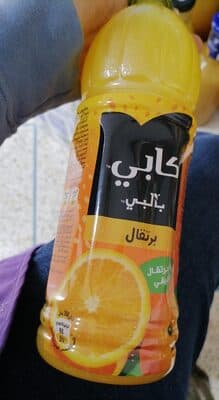
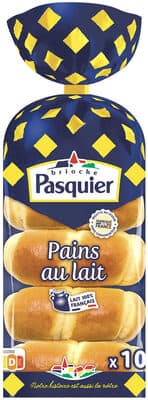
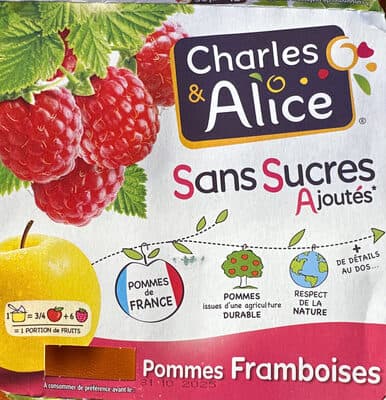
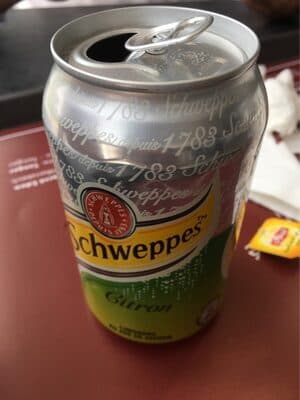
Ascorbic acid serves multiple functions in food manufacturing. It is widely used in beverages, baked goods, cured meats, oils and fats, and processed fruits and vegetables. In meat products, it works synergistically with curing salts to improve color stability and safety. In oils and fats, it prevents rancidity by inhibiting oxidation. In baking, ascorbic acid functions as a dough strengthener, improving gluten development and dough conditioning. The additive is also used in fruit and vegetable processing to maintain color, texture, and nutritional integrity. Additionally, it serves as a nutrient supplement in fortified foods and beverages.
Safety Assessment
Ascorbic acid has an extensive safety record supported by decades of use and scientific research. The FDA has designated it as Generally Recognized as Safe (GRAS), and the additive has generated zero adverse event reports and zero recalls in FDA databases. The European Food Safety Authority (EFSA) similarly considers ascorbic acid safe for the general population at typical dietary levels.
Accumulated human exposure data shows that ascorbic acid is rapidly absorbed and metabolized, with excess amounts readily excreted through urine. The compound is non-toxic at normal food use levels. Some individuals with specific genetic conditions, such as those predisposed to kidney stones or hemochromatosis, may need to monitor intake, but this reflects individual health conditions rather than inherent toxicity of the additive itself.
Toxicological studies in animal models have demonstrated no carcinogenic, mutagenic, or teratogenic effects at food-relevant doses. The Joint FAO/WHO Expert Committee on Food Additives (JECFA) has not established an Acceptable Daily Intake (ADI) limit for ascorbic acid, recognizing its safety margin and nutritional benefits.
Regulatory Status
Ascorbic acid is approved for use in food in most countries worldwide. In the United States, it is FDA-GRAS and permitted as a direct food additive. The European Union lists it as approved food additive E300. Canada, Australia, Japan, and most other regulatory bodies similarly permit its use in specified food categories. Regulatory frameworks typically allow ascorbic acid in foods with minimal restrictions due to its recognized safety profile and dual nature as both a functional additive and a nutritional component.
Labeling requirements vary by jurisdiction. In some regions, ascorbic acid may be labeled as "vitamin C" when used as a nutrient supplement, while in others it must be listed by its chemical name or the designation E300.
Key Studies
Numerious peer-reviewed studies have examined ascorbic acid's safety and functionality. Research published in food science journals confirms its effectiveness as an antioxidant and preservative at typical use levels. Metabolism studies demonstrate rapid intestinal absorption and urinary excretion, indicating minimal systemic accumulation. A systematic review of ascorbic acid safety concluded that dietary exposure from food additives presents negligible health risk to the general population. Studies on its dough-strengthening properties in baking confirm enhanced gluten cross-linking and improved bread quality without safety concerns.