What is Annatto, Seed?
Annatto, derived from the seeds of Bixa orellana L., is a natural food colorant that has been used for centuries in food preparation and traditional medicine. The additive contains carotenoid pigments, primarily bixin and norbixin, which provide distinctive yellow to red coloration. These pigments are lipophilic (fat-soluble) compounds that dissolve readily in oils and fats, making annatto particularly suitable for dairy, meat, and oil-based products. The substance is extracted from the seed coat of the annatto plant, which is native to tropical regions of South America.
Common Uses
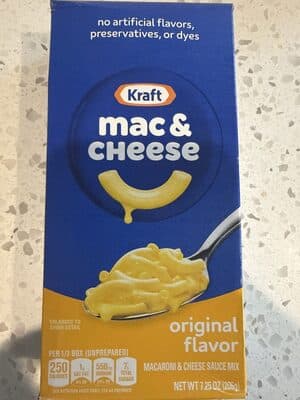
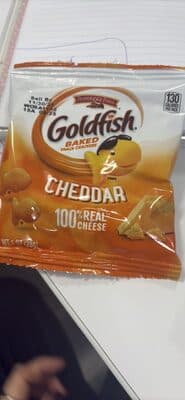
Annatto is widely used throughout the food industry as a coloring agent in numerous products. Common applications include cheese, butter, margarine, ice cream, baked goods, and processed meats where it provides natural-appearing yellow to orange coloration. In the beverage industry, annatto colorants are used in drinks and ready-to-drink products. It also functions as a flavoring adjuvant, contributing subtle earthy and slightly peppery notes to foods. Beyond food applications, annatto has historical use in cosmetics and textile industries. The versatility of annatto makes it a preferred choice for manufacturers seeking natural coloring alternatives to synthetic dyes.
Safety Assessment
Annatto has a long history of use in food systems with no reported adverse events recorded by the FDA. The additive contains naturally occurring carotenoids that are also found in various vegetables and fruits, contributing to its favorable safety profile. Toxicological studies have demonstrated low systemic toxicity in animal models. The European Food Safety Authority (EFSA) has established acceptable daily intake levels for annatto-based colorants. Some individuals have reported sensitivity or allergic reactions to annatto, though such occurrences are rare and typically mild. Cross-reactivity with birch pollen allergies has been documented in isolated cases. Standard consumption levels in food applications present minimal risk for the general population. Pregnant and nursing individuals should consume annatto only in amounts typical of normal food use, as safety data in these populations is limited.
Regulatory Status
Annatto currently does not hold GRAS (Generally Recognized As Safe) status from the FDA, though it remains approved for use in specific food categories under FDA regulations. In the European Union, annatto colorants (E160b) are approved and listed in the positive list of food additives with established acceptable daily intake values. Canada permits annatto use in designated food categories with specified limitations. The lack of GRAS designation does not indicate safety concerns but rather reflects the regulatory pathway through which the additive was approved. Manufacturers must comply with specific usage levels and food category restrictions established by regulatory agencies in their respective jurisdictions.
Key Studies
Scientific literature supports the safety profile of annatto-derived colorants in food applications. Studies examining the toxicity of bixin and norbixin have consistently demonstrated low acute and chronic toxicity in standard testing protocols. Research on the bioavailability of annatto carotenoids indicates they are metabolized similarly to other dietary carotenoids. The EFSA conducted comprehensive reviews of annatto colorants, concluding that established usage levels present no safety concerns for the general population. Allergenicity studies have identified annatto as a potential allergen in susceptible individuals, though prevalence remains low. Long-term dietary exposure studies have not identified cumulative toxicity or carcinogenic potential. Additional research continues to characterize the phytochemical profile and potential health-modulating properties of annatto extracts.