What is Whey Protein Concentrate?
Whey Protein Concentrate (WPC) is a food ingredient derived from whey, the liquid portion separated during cheese production. Through microfiltration, ultrafiltration, or other processing methods, water and lactose are removed to create a concentrated powder or liquid containing 35-80% protein by weight, depending on the concentration level. The remaining composition includes lactose, minerals (calcium, phosphorus), and milk fat. WPC is a complete protein, meaning it contains all nine essential amino acids required by the human body.
Common Uses
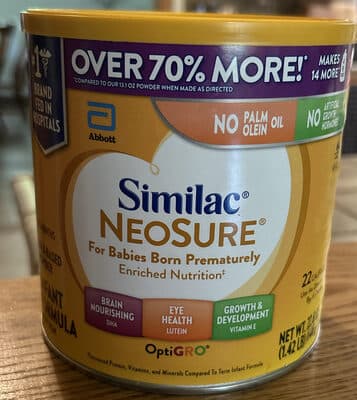
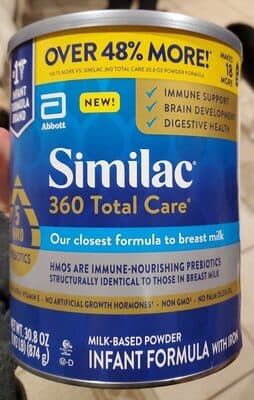
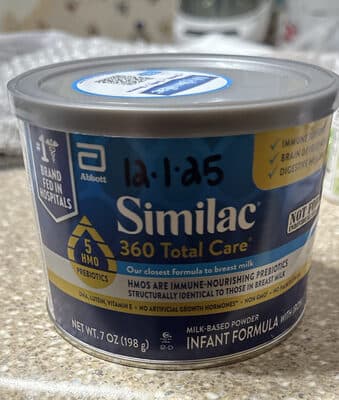
Whey Protein Concentrate appears in numerous food categories due to its multifunctional properties. In beverages, it is commonly found in protein drinks, nutritional shakes, and sports drinks. The ingredient is also used in yogurt, cheese products, and desserts to enhance protein content and improve texture. WPC serves as a binder and thickener in processed meats, baked goods, and confectionery items. In infant formula and medical nutrition products, it provides essential amino acids and nutritional fortification. The ingredient also enhances flavor profiles in various applications while improving moisture retention and shelf stability.
Safety Assessment
Whey Protein Concentrate has an established safety record in food applications. The FDA recognizes WPC as Generally Recognized As Safe (GRAS), indicating it meets stringent safety standards. According to FDA records, there are zero reported adverse events associated with this ingredient and zero product recalls attributable to WPC safety concerns. This demonstrates consistent safety in commercial use.
For consumers with lactose intolerance, WPC may present concerns since concentration levels vary; products with higher protein percentages contain less lactose, while lower concentrations retain more. Individuals with milk allergies should avoid WPC, as it is a dairy-derived protein. The European Food Safety Authority (EFSA) has similarly found whey proteins safe for the general population at typical dietary levels.
Allergenic potential is limited to those with documented milk protein sensitivity. WPC is hypoallergenic compared to whole milk due to processing that removes some allergenic proteins, though cross-reactivity remains possible for individuals with severe dairy allergies.
Regulatory Status
Whey Protein Concentrate is approved for use in the United States under FDA regulations as a GRAS ingredient. It is permitted in numerous food categories without quantitative restrictions, as it is derived from a common food source (milk) and has a long history of safe use. The ingredient is also approved in Canada, European Union member states, Australia, and most other developed nations. In the EU, whey protein is listed as an approved food additive under EC Regulation 1333/2008. International regulatory bodies, including Codex Alimentarius, recognize whey proteins as safe food ingredients.
Key Studies
Scientific literature supports the safety and nutritional benefits of whey protein concentrate. Research published in peer-reviewed journals demonstrates that WPC is well-tolerated across diverse populations, including children, adults, and elderly individuals. Studies on protein digestibility and amino acid bioavailability confirm that WPC efficiently delivers essential amino acids. Long-term consumption studies show no adverse effects on kidney or liver function in healthy individuals. Research on lactose content in various WPC concentrations helps consumers and manufacturers select appropriate formulations. Sports nutrition studies validate WPC's role in muscle protein synthesis and recovery, supporting its use in athletic and wellness products.