What is Vitamin K?
Vitamin K is a fat-soluble vitamin that exists in two primary natural forms: phylloquinone (vitamin K1), found predominantly in leafy green vegetables, and menaquinone (vitamin K2), produced by bacteria in the digestive tract and found in fermented foods. The additive form used in food fortification is typically phylloquinone (K1) or synthetic analogs. Vitamin K is essential for the synthesis of prothrombin and other clotting factors in the liver, making it critical for normal blood coagulation and hemostasis.
Common Uses
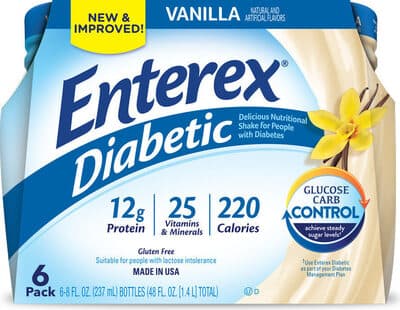
Vitamin K is added to various food products as a nutritional supplement to increase the micronutrient density and help consumers achieve adequate intake. Common fortified products include breakfast cereals, plant-based milk alternatives, flour and grain products, and nutritional supplements. In many countries, vitamin K fortification is used to address potential nutritional gaps in populations with limited access to vitamin K-rich foods. The additive is also used in medical nutritional products and enteral feeding formulas for patients with increased vitamin K requirements.
Safety Assessment
Vitamin K has an extensive history of safe use in foods and supplements. The FDA has designated vitamin K as Generally Recognized As Safe (GRAS) for use in human food. No adverse events related to vitamin K food additives have been reported to the FDA, and no recalls associated with vitamin K fortification have been issued. The European Food Safety Authority (EFSA) has similarly established tolerable upper intake levels based on extensive safety data.
Vitamin K toxicity from food sources is considered extremely unlikely because excess intake from foods is readily excreted. However, individuals taking anticoagulant medications such as warfarin should maintain consistent vitamin K intake levels, as variations can affect medication efficacy. This is a therapeutic interaction rather than a safety concern with the additive itself. The Institute of Medicine has not established an upper tolerable intake level for vitamin K from food sources, reflecting the low toxicity profile.
Regulatory Status
Vitamin K is approved for use as a nutrient supplement in food in the United States, European Union, Canada, and most other developed nations. In the U.S., vitamin K fortification is regulated under 21 CFR 104 and follows GRAS affirmation procedures. The FDA permits vitamin K1 (phylloquinone) and vitamin K2 (menaquinone-7) in various food categories at specified levels. The Codex Alimentarius Commission recognizes vitamin K as an acceptable nutrient fortification ingredient. Individual countries may have specific regulations regarding maximum fortification levels and permitted food categories.
Key Studies
Longitudinal epidemiological studies have demonstrated associations between adequate vitamin K intake and improved bone health outcomes, particularly in older adults. Clinical trials examining vitamin K supplementation have shown positive effects on bone mineral density and fracture prevention. Research on vitamin K's role in vascular health has indicated benefits in maintaining normal arterial calcification patterns. Multiple safety studies have confirmed the lack of adverse effects from vitamin K supplementation at levels substantially above the recommended dietary allowance. Studies examining the bioavailability of fortified vitamin K have shown adequate absorption and utilization when present in various food matrices.