What is Vitamin D?
Vitamin D is a fat-soluble micronutrient that exists in two primary forms: ergocalciferol (vitamin D2) and cholecalciferol (vitamin D3). The body naturally synthesizes vitamin D when skin is exposed to ultraviolet B radiation from sunlight, but dietary intake and fortification are important supplementary sources, particularly in regions with limited sunlight or among populations with restricted sun exposure.
Vitamin D functions as both a nutrient and a hormone, regulating calcium and phosphate absorption in the intestines and maintaining mineral homeostasis. It plays critical roles in bone mineralization, immune system function, and cellular regulation.
Common Uses
Vitamin D is added to a wide variety of foods to fortify them with this essential nutrient. Common fortified foods include:
- Fluid milk and plant-based milk alternatives
- Breakfast cereals and grain products
- Dairy products such as cheese and yogurt
- Orange juice and other beverages
- Margarine and butter spreads
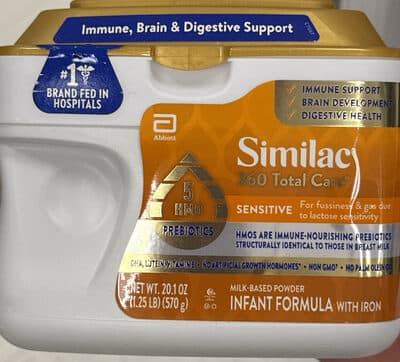
- Infant formulas
Fortification levels are standardized based on FDA guidance, typically ranging from 40 to 100 IU per serving for milk products and up to 400 IU per serving in fortified cereals. The addition of vitamin D to foods addresses widespread deficiency concerns identified by public health organizations and helps populations meet Dietary Reference Intakes (DRI) established by the National Institutes of Health.
Safety Assessment
Vitamin D has been designated as Generally Recognized as Safe (GRAS) by the U.S. Food and Drug Administration for use as a nutrient supplement in foods. The FDA has recorded zero adverse events and zero recalls specifically attributed to vitamin D food fortification.
The safety profile of vitamin D in fortified foods is well-established through decades of use and extensive scientific research. Toxicity from food fortification is extremely rare, as the amounts added to foods are carefully controlled and designed to support nutritional adequacy without exceeding safe upper intake levels. The National Academies of Sciences, Engineering, and Medicine established an upper tolerable intake level of 4,000 IU daily for adults, a threshold well above typical dietary fortification levels.
Vitamin D from food sources and supplements has been extensively studied in clinical trials and population-level research. No significant adverse health effects have been documented from consumption of properly fortified foods at recommended levels.
Regulatory Status
Vitamin D fortification is authorized and regulated in most developed countries. In the United States, the FDA oversees vitamin D additions as a nutrient supplement under 21 CFR 104.20. The European Food Safety Authority (EFSA) has also reviewed vitamin D and supports its use in food fortification at specified levels.
Mandatory or voluntary fortification programs for vitamin D exist in numerous countries including the United States, Canada, and parts of Europe. Labeling requirements ensure consumers are informed of vitamin D content on nutritional panels.
Key Studies
Large epidemiological studies have demonstrated associations between adequate vitamin D intake and improved bone health outcomes, particularly in children and older adults. Clinical trials have established the efficacy of vitamin D fortification in improving population vitamin D status.
The D-Health trial and other randomized controlled trials have evaluated vitamin D supplementation effects on various health outcomes. Research consistently shows that food fortification effectively raises serum vitamin D levels in populations and supports the prevention of deficiency diseases such as rickets in children and osteomalacia in adults.
Meta-analyses of fortification studies confirm that adding vitamin D to commonly consumed foods is an effective, safe, and cost-efficient public health strategy for reducing deficiency-related health risks.