What is Vitamin B-12?
Vitamin B-12, also known as cobalamin, is a water-soluble vitamin containing cobalt as an essential component. It exists in several forms, including cyanocobalamin, methylcobalamin, and hydroxocobalamin, with cyanocobalamin being the most commonly used form in food fortification due to its stability and cost-effectiveness. The vitamin was first isolated in 1948 and is one of the most complex vitamins known to science.
Common Uses
Vitamin B-12 is used extensively in food fortification to address potential dietary deficiencies. Common applications include:
- Breakfast cereals and grain products
- Plant-based milk alternatives (soy, almond, oat)
- Nutritional yeast products
- Dietary supplements and multivitamin formulations
- Fortified meat and fish products
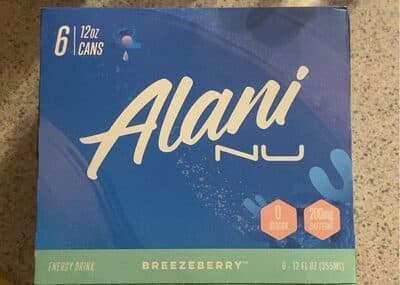
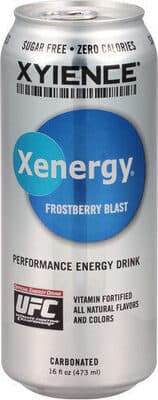
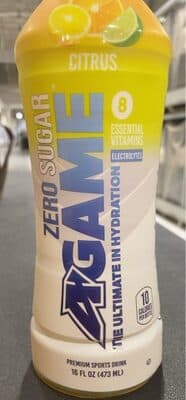
- Energy drinks and nutritional beverages
The vitamin is particularly important in vegan and vegetarian food products, as B-12 is naturally present primarily in animal-derived foods. Fortification helps populations at risk of deficiency, including older adults, individuals with certain gastrointestinal conditions, and those following restrictive diets.
Safety Assessment
Vitamin B-12 has an excellent safety profile with no established upper tolerable intake level due to its water-soluble nature and the body's ability to regulate absorption and excretion. The FDA has designated B-12 as Generally Recognized as Safe (GRAS) for use as a nutrient supplement in foods. The agency has recorded zero adverse events associated with B-12 consumption and zero product recalls related to this ingredient.
The European Food Safety Authority (EFSA) has similarly determined that B-12 is safe at levels used in food fortification. Studies demonstrate that excess intake is efficiently eliminated through urine, making toxicity from food sources highly unlikely. Even at supplemental doses significantly exceeding dietary requirements, adverse effects are exceptionally rare.
Certain individuals with specific genetic conditions affecting B-12 metabolism (such as those with untreated pernicious anemia) may require medical supervision, but this represents a medical management issue rather than a safety concern with the additive itself.
Regulatory Status
Vitamin B-12 is approved for use in food fortification across North America, Europe, and most other regions. In the United States, the FDA regulates B-12 as a GRAS nutrient supplement under 21 CFR 182.8 and 184.1945. The permitted levels in various food categories vary based on nutrient density recommendations and dietary reference intakes.
The European Union permits B-12 fortification under Regulation (EC) No 1925/2006, with specific provisions for labeling when added to foods. Different countries may have varying fortification levels and permitted food categories, but safety approval is consistent across major regulatory bodies.
Key Studies
Numerous peer-reviewed studies support the safety and efficacy of B-12 fortification:
- Longitudinal studies on populations consuming fortified foods show effective improvement in B-12 status without adverse effects
- Bioavailability studies demonstrate that synthetic B-12 in fortified foods is efficiently absorbed and utilized by the body
- Safety reviews by the Institute of Medicine and WHO/FAO expert committees consistently affirm the safety of food fortification levels
- Research on vegetarian and vegan populations receiving B-12 fortified foods documents excellent tolerance and normalization of B-12 status
The scientific consensus supports B-12 fortification as a safe and effective public health measure for preventing deficiency in susceptible populations.