What is Vitamin A Acetate?
Vitamin A Acetate (CAS Number: 127-47-9) is a synthetic ester form of retinol, commonly known as vitamin A. It is created by combining retinol with acetic acid, resulting in a stable, shelf-stable compound suitable for food fortification. Unlike retinol itself, the acetate form resists oxidation and degradation during storage and processing, making it ideal for commercial food applications. Vitamin A Acetate is fat-soluble and delivers the same biological activity as naturally occurring vitamin A sources.
Common Uses
Vitamin A Acetate is widely used in food fortification programs across numerous products, including:
- Milk and dairy products
- Breakfast cereals and grain-based foods
- Margarine and butter spreads
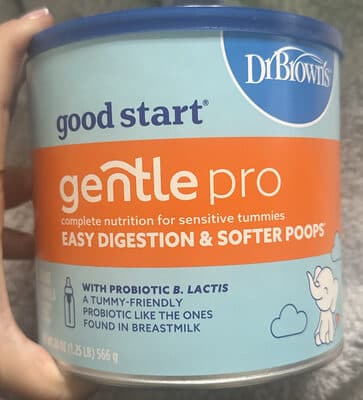
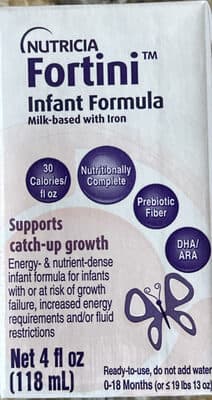
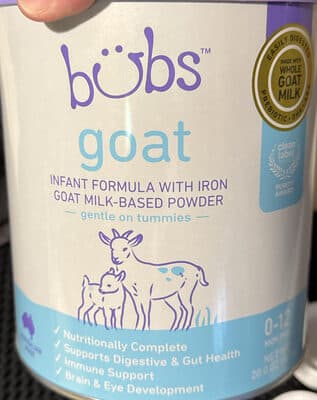
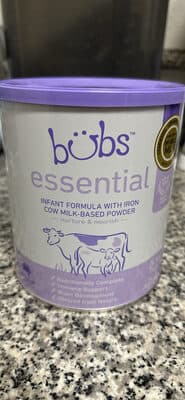
- Infant formulas and nutritional supplements
- Fortified juices and beverages
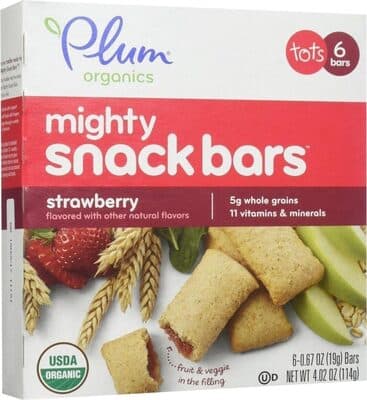
- Nutritional bars and snack foods
Fortification with Vitamin A Acetate addresses nutritional deficiencies in populations where vitamin A intake from natural food sources may be insufficient. Many countries incorporate it into staple foods to prevent vitamin A deficiency diseases, particularly in developing regions.
Safety Assessment
Vitamin A Acetate has been extensively studied and evaluated for safety. The FDA has not recorded any adverse events associated with Vitamin A Acetate in its adverse event reporting database, and no product recalls have been linked to this ingredient. This safety record reflects decades of use in food fortification programs.
The European Food Safety Authority (EFSA) has established a Tolerable Upper Intake Level (UL) for vitamin A of 3,000 micrograms per day for adults, applicable to all forms of preformed vitamin A, including the acetate form. This UL accounts for the cumulative intake from all sources—food, fortified products, and supplements.
While vitamin A is essential for health, excessive intake of preformed vitamin A from supplemental sources has been associated with potential adverse effects, including teratogenic effects in pregnancy and potential concerns with bone health at very high intakes. However, these concerns relate to supplemental intake far exceeding dietary levels and do not apply to normal consumption of fortified foods containing Vitamin A Acetate at standard fortification levels.
Regulatory Status
Vitamin A Acetate is not on the FDA's Generally Recognized as Safe (GRAS) list as a standalone ingredient, but this does not indicate safety concerns. Instead, it is approved as a food additive for specific uses in fortification under FDA regulations (21 CFR 182.3671). The ingredient is permitted in the European Union as a food additive (E 906) and is approved in most major markets worldwide.
The lack of GRAS status is due to regulatory classification rather than safety data. Vitamin A compounds used in food fortification operate under established regulatory frameworks that set maximum use levels based on nutritional requirements and safety margins.
Key Studies
Scientific literature supports the safety and efficacy of Vitamin A Acetate in food fortification. Studies demonstrate stable bioavailability, appropriate absorption rates, and lack of unexpected adverse effects when used at recommended fortification levels. Meta-analyses of vitamin A fortification programs have shown significant public health benefits in reducing deficiency diseases without safety signals when formulations remain within regulatory guidelines.
The stability and bioavailability of Vitamin A Acetate make it a preferred choice for long-term food fortification programs, particularly in climates with temperature fluctuations that might affect less stable vitamin forms.