What is Vitamin A?
Vitamin A is a fat-soluble organic compound essential for human nutrition and physiological function. The term "Vitamin A" typically refers to retinol and its naturally occurring and synthetic derivatives, including retinyl acetate and retinyl palmitate—the forms most commonly added to food products. Vitamin A is designated by CAS Number 68-26-8 and functions as a nutrient supplement in food applications.
Common Uses
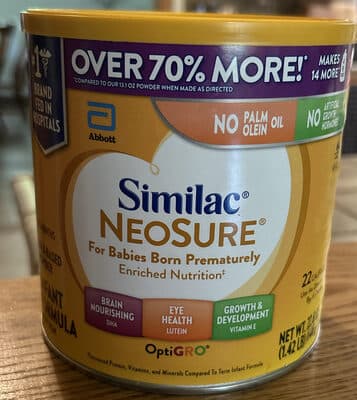
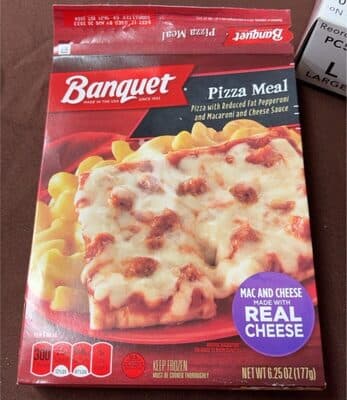
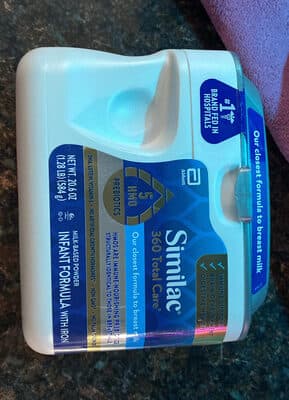
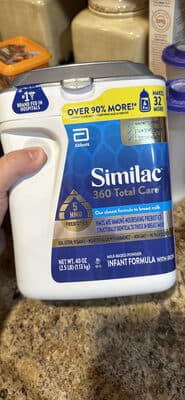
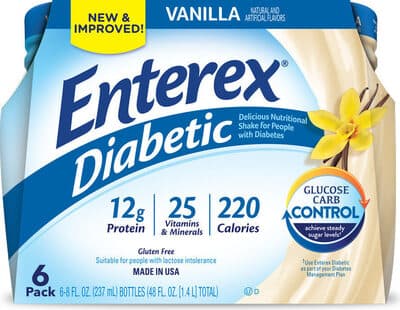
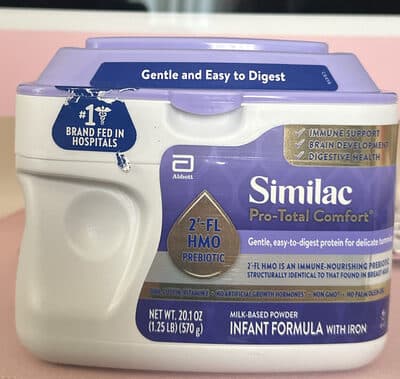
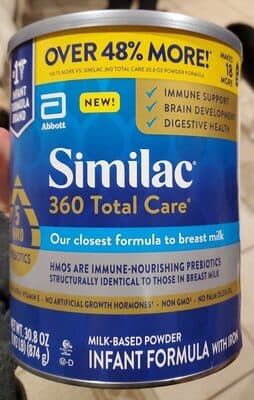
Vitamin A is added to a wide range of food products as a fortification ingredient. The most common applications include:
- Dairy products (milk, cheese, butter, yogurt)
- Breakfast cereals and grain-based foods
- Margarines and spreads
- Nutritional supplements and fortified beverages
- Plant-based milk alternatives
Fortification programs using Vitamin A are particularly important in developing countries where deficiency-related diseases remain a public health concern. In developed nations, fortification helps maintain adequate population-level intake and addresses dietary gaps among specific populations.
Safety Assessment
Vitamin A holds Generally Recognized as Safe (GRAS) status with the FDA, indicating it meets safety standards for use in food. The FDA's adverse event database contains zero reported incidents associated with Vitamin A food additives, and there have been zero recalls linked to this ingredient. This track record reflects decades of safe use in food fortification globally.
Importantly, toxicity risk from food-fortified Vitamin A is considered negligible for the general population when consumed through normal dietary means. The bioavailability and dosage of Vitamin A in fortified foods are carefully controlled. Hypervitaminosis A (toxicity from excessive intake) is primarily associated with high-dose supplementation rather than food fortification, and requires sustained intake far exceeding normal dietary levels.
The European Food Safety Authority (EFSA) has established tolerable upper intake levels for Vitamin A based on comprehensive toxicology reviews. These established safety margins account for individual variation in sensitivity and ensure protective guidelines for vulnerable populations including pregnant women and children.
Regulatory Status
Vitamin A is approved for use as a nutrient supplement in food in numerous regulatory jurisdictions worldwide, including the FDA, EFSA, and food safety authorities in Canada, Australia, and Japan. It appears on the FDA's GRAS list and is permissible under specific conditions regarding concentration limits and labeling requirements.
Regulatory frameworks specify maximum permissible levels in various food categories to prevent excessive intake while ensuring nutritional benefit. These limits vary by product type and intended consumer demographics. The FDA and EFSA regularly review emerging science to ensure established safety margins remain appropriate.
Key Studies
Decades of epidemiological research demonstrates that Vitamin A fortification programs effectively reduce deficiency-related diseases, particularly in vulnerable populations. Clinical studies have established recommended dietary allowances and upper intake levels based on metabolic requirements and safety data.
Large-scale prospective cohort studies and randomized controlled trials have characterized Vitamin A's physiological roles in vision, immune function, and cellular differentiation. Research on fortification efficacy shows consistent bioavailability of retinyl acetate and retinyl palmitate in food matrices.
Safety reviews by expert panels, including those conducted by the Institute of Medicine and international food safety bodies, have consistently concluded that Vitamin A fortification at permitted levels presents no safety concerns for the general population when used as intended.