What is Vanillin Propylene Glycol Acetal?
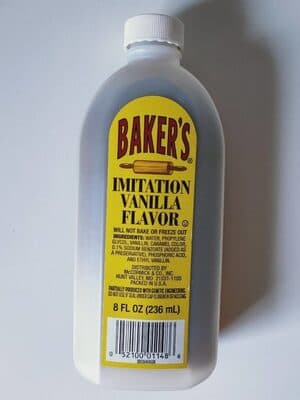
Vanillin Propylene Glycol Acetal (CAS Number: 68527-74-2) is a synthetic flavoring agent produced through a chemical reaction between vanillin and propylene glycol. Vanillin is the organic compound primarily responsible for the characteristic flavor and aroma of vanilla beans, while propylene glycol is a common food additive and solvent. The resulting acetal compound is designed to deliver vanilla flavor notes in food and beverage applications.
This additive represents one of many synthetic vanillin derivatives used in the food industry as alternatives to natural vanilla extract, which is expensive and subject to supply fluctuations.
Common Uses
Vanillin Propylene Glycol Acetal is employed as a flavoring agent in various food categories where vanilla flavor is desired. Its primary applications include:
- Baked goods and bakery products
- Confectionery and candy items
- Dairy products including ice cream and yogurt
- Beverages and flavored drinks
- Dessert mixes and instant puddings
- Pharmaceutical and nutraceutical products
The use of this particular acetal form may offer advantages in terms of flavor stability, solubility, and shelf-life retention compared to some alternative vanilla flavoring compounds.
Safety Assessment
Vanillin Propylene Glycol Acetal has not been formally affirmed as Generally Recognized As Safe (GRAS) by the FDA. However, this designation status does not necessarily indicate safety concerns; rather, it reflects that a formal GRAS petition was not submitted or approved through FDA channels.
The component ingredients provide relevant safety context:
- **Vanillin**: Widely used in food, extensively studied, and generally recognized as safe
- **Propylene Glycol**: A common food additive approved by the FDA as a GRAS substance for use as a solvent, humectant, and preservative
The FDA has recorded zero adverse events and zero recalls associated with this specific additive, indicating no documented safety incidents in the food supply. This absence of reported adverse effects or recalls, combined with the safety profiles of its constituent components, suggests the additive has a reasonable safety history in food applications.
No significant toxicological concerns have been identified in available scientific literature regarding this compound. Propylene glycol itself undergoes rapid metabolism in the human body and has been extensively evaluated for safety across multiple regulatory jurisdictions.
Regulatory Status
Vanillin Propylene Glycol Acetal is permitted for use in the United States as a flavoring agent under FDA regulations, though it was not formally designated as GRAS through an official petition process. The additive appears on the FDA's list of approved food additives and is subject to good manufacturing practices (GMP) regarding its production and use levels.
Regulatory status may vary internationally. Food manufacturers using this ingredient should verify compliance with regulations in all target markets, as some regions may have different approval statuses or maximum use levels for synthetic flavoring agents.
Key Studies
Limited published research specifically targeting Vanillin Propylene Glycol Acetal exists in peer-reviewed literature, reflecting its status as a specialized food additive. Most safety evaluations rely on the extensive research conducted on vanillin and propylene glycol individually, both of which have substantial toxicological and safety data supporting their food use.
Vanillin has been studied extensively in numerous safety reviews by EFSA and FDA, with no concerning findings at typical dietary exposure levels. Propylene glycol similarly has decades of safety data supporting its use in food applications.
The lack of specific research on this acetal compound specifically, combined with zero adverse event reports and zero recalls, suggests this additive maintains an acceptable safety margin in current food applications. Any manufacturer considering its use should ensure compliance with applicable regulations and quality standards.